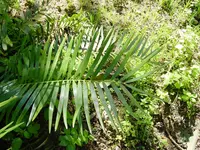
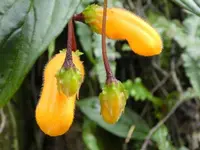
Giant dioon Care (Dioon spinulosum)

Also known as: Gum Palm, Cycad, Spiny Dioon
Giant dioon

About Giant dioon

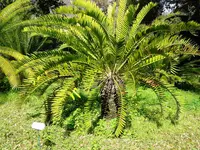
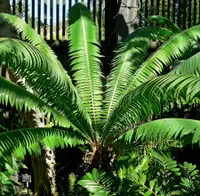
Giant dioon, Dioon spinulosum, is a slow-growing cycad that resembles a palm but is more closely related to ancient conifers. It forms a stout trunk crowned with long, arching, feather-like fronds.

In nature it comes from warm, humid forests of eastern Mexico, often growing on rocky slopes and limestone soils. The plant is long-lived and eventually becomes large, which makes it better suited to spacious indoor rooms or outdoor subtropical gardens.

Its slow growth, strong structure, and tolerance of brief dryness make it relatively manageable, though it dislikes cold, waterlogging, and very low light. Understanding how to care for Giant dioon mainly involves providing bright light, free-draining soil, and steady but moderate moisture.

Main Plant Requirements

Care Difficulty

Moderate Care

Light Preference

Partial Sun

Water Requirements

Moderate Water

Temperature Preference

Warm Climate

Hardiness Zone

9–11

Soil Texture

Sandy, Loamy, Rocky

Soil pH

Slightly acidic (6.5–7.0), Neutral (7.0)

Soil Drainage

Well-drained

Fertilization

Minimal (feed rarely)

Get Personalized Care Plan

Scan your plant to receive care tips personalized for your specific plant

Available on iOS and Android

How to Care for the Giant dioon

Dioon spinulosum prefers bright, indirect sun that mimics open woodland or lightly filtered tropical light.

  • Provide 4–6 hours of morning sun with light afternoon shade, or all-day bright filtered light through trees or shade cloth.
  • Plant where it gets dappled light; harsh midday sun can scorch new fronds, especially in hot, dry climates.
  • Tolerates partial shade, but in very low light fronds stretch and lose density, so adjust siting seasonally as the sun angle shifts for stable Giant dioon growth.

This cycad prefers evenly moist but not saturated soil with clear drying between thorough waterings.

  • Allow the top 3–5 cm of soil to dry before deep watering, then wet the root zone fully and let excess drain away.
  • In spring and summer, expect to water more often during active growth; reduce frequency in cooler months when the soil stays moist longer.
  • Watch for yellowing, soft bases and a sour smell as signs of overwatering, and crisp leaflet tips or curling fronds as signs the plant is too dry; free-draining, gritty soil helps protect Dioon spinulosum roots.

This species favors warm, frost-free conditions with only mild temperature swings.

  • Aim for 65–85°F (18–29°C) for best growth, with stable warmth during the main growing season.
  • Mature plants may survive brief dips to about 28–32°F (-2–0°C), but foliage damage is likely and repeated frost can kill the crown.
  • Tolerates heat up to 95–100°F (35–38°C) if soil moisture is adequate and roots are mulched; in cooler seasons, growth slows markedly below 60°F (16°C).

This cycad prefers moderate humidity but copes with typical indoor air if other needs are met.

  • Aim for 40–60% humidity to reduce leaf-tip browning and support steady growth in Giant dioon.
  • It tolerates short dry spells in heated homes, but very dry air over time can cause brown, crispy leaflet edges.
  • If air stays under 30–35%, increase humidity by grouping plants, using a nearby humidifier, or placing the pot on a pebble tray.

This species needs a sharply drained, gritty mix that mimics rocky, well-aerated ground.

  • Use a mix of roughly 40% coarse sand, 30% pumice or perlite, and 30% composted bark to provide both drainage and structure.
  • Ensure the soil is loose and crumbly so water drains within seconds, preventing roots of Dioon spinulosum from sitting in stagnant moisture.
  • Target a slightly acidic to neutral pH around 6.0–7.0, avoiding very alkaline mixes that can reduce nutrient availability.
  • Avoid heavy clay, high-peat, or compacted mixes; improve any dense substrate by blending in extra grit, coarse sand, or pumice to increase pore space.

This slow-growing cycad is suitable for long-term container culture when planted in a stable, deep pot.

  • Choose a container deeper than it is wide so the thick taproot and basal caudex have vertical space to develop without constriction.
  • Select a heavy, stable pot material such as thick terracotta or concrete to prevent the tall, stiff fronds from tipping the plant in strong wind.
  • Ensure large, unobstructed drainage holes and keep any outer cachepot completely free of standing water so runoff can escape immediately.

Dioon spinulosum grows slowly and needs modest, careful feeding to support healthy foliage.

  • Use a balanced slow-release fertilizer (for example 10-10-10) or organic compost mixed lightly into the topsoil in spring.
  • Feed container-grown Giant dioon every 8–10 weeks during the warm growing season only.
  • Apply fertilizers at half the label strength to avoid root burn and salt buildup.
  • Stop feeding in fall and winter, as growth slows and nutrients are not used efficiently.

Pruning Dioon spinulosum focuses on hygiene rather than shaping the plant.

  • Inspect in late winter or early spring and after storms for fronds that are dead, yellow, or badly damaged.
  • Remove only spent or broken fronds, cutting them close to the trunk with clean, sharp pruners or a small saw.
  • Avoid cutting green, healthy fronds, as this reduces photosynthesis and can slow overall growth.
  • Shape remains mostly natural; minimal removal keeps the crown open and reduces pest and fungal problems.

Container-grown plants are slow to outgrow their space, but Dioon spinulosum dislikes frequent disturbance.

  • Check for roots circling the pot, pushing out of drainage holes, or very slow growth as signs it needs more space.
  • Plan repotting or transplanting in late spring to early summer, about every 4–6 years for container specimens.
  • Move to a pot only 5–8 cm wider, using a very well-drained gritty mix to limit waterlogging and root rot risk.
  • Handle the root ball gently, keep it at the same soil level, water thoroughly once, then allow the medium to dry slightly between waterings.

Dioon spinulosum is usually propagated by seed and, less often, by offsets, and the process is slow.

  • Collect ripe seeds and clean off any remaining fruit pulp, which can inhibit germination.
  • Sow seeds in warm conditions around 75–85°F in a coarse, free-draining medium and keep slightly moist, not wet.
  • Expect long germination times, often several months, and maintain stable warmth and bright, indirect light.
  • Offsets at the base can sometimes be removed in late spring, allowed to callus, then potted in a gritty mix with careful watering.

This cycad prefers warm climates and benefits from thoughtful winter care in cooler regions.

  • Tolerates only light frost; persistent temperatures below 28–30°F can damage fronds and young tissue.
  • Apply a 5–8 cm layer of dry mulch around the root zone, keeping it slightly away from the trunk base.
  • Wrap the crown with breathable frost cloth during cold snaps to limit leaf and bud damage.
  • Move container plants indoors or into a bright, cool, frost-free space before hard freezes arrive.

Care Tips

Root flare check

When planting or repotting, keep the top of the woody caudex and root flare just at or slightly above the soil surface to prevent rot and promote stable anchoring over time.

Gradual sun hardening

Before moving a container plant into higher light outdoors, increase sun exposure over 10–14 days to avoid leaflet scorch and stress on the new fronds.

Frond base hygiene

After old fronds are removed, trim stubs cleanly and keep the crown area free of trapped debris so moisture and pests do not accumulate at the growing point.

Cold event staging

In regions with occasional cold snaps, stage large containers on sturdy plant caddies so the plant can be quickly rolled under cover or against a warm wall before temperatures drop.

Long-term space planning

Allow generous lateral space around the plant for its expanding crown and avoid placing it under low eaves or beams, since caring for Giant dioon becomes difficult once the stiff fronds hit overhead structures.

Common Pests and Diseases

Cycad aulacaspis scale

This pest forms dense white crust-like clusters on leaf undersides and along the rachis, sucking sap and causing yellowing, leaf drop, and eventual plant decline. Infestations can spread quickly and are difficult to eradicate once established.

Solution

Prune and discard heavily infested fronds in sealed bags, then thoroughly spray all leaf surfaces, crown, and trunk with a horticultural oil labeled for armored scale, repeating every 7–10 days for several cycles. Avoid getting oil into the central crown, and monitor new growth closely, isolating affected plants from other cycads to limit spread.

Mealybugs

These insects appear as white cottony clusters in leaflet bases, on roots, and around the crown, where they excrete sticky honeydew that encourages sooty mold. Symptoms include distorted new growth, reduced vigor, and ants tending the colonies.

Solution

Wipe visible insects with cotton swabs dipped in 70% isopropyl alcohol and rinse foliage with a firm stream of water, then apply a systemic insecticide or horticultural oil focusing on leaflet bases and crown. For container plants, check roots for root mealybugs and repot into fresh, well-drained mix if present, removing as much infested soil as possible.

Crown rot

This disease affects the central growing point, where symptoms include browning or softening of the crown tissue, collapse of new fronds, and a foul smell if bacterial or fungal infection is advanced. Overwatering, poor drainage, or water sitting in the crown increase risk, especially in cool conditions.

Solution

Remove and discard all soft, rotten tissue from the crown with sterilized tools, dust exposed areas with a dry fungicide, and keep the plant on the dry side while improving drainage and airflow. Water at the soil level, avoid letting water sit in the crown, and for outdoor plants, ensure the planting site has fast-draining soil and no standing water around the base.

Leaf spot

This disease causes small tan to dark brown lesions on pinnae, sometimes with a yellow halo, which can merge and lead to premature frond browning. High humidity, overhead watering, and poor air movement favor spread across the canopy.

Solution

Remove and discard affected fronds or leaf sections, avoiding contact with healthy tissue, and water early in the day at soil level to keep foliage dry. Improve spacing and airflow around the plant and, if spots continue to spread, apply a labeled broad-spectrum fungicide to both upper and lower leaf surfaces according to product directions.

Scale (soft scales)

These insects appear as brown, dome-shaped bumps on the rachis and leaflet midribs, producing honeydew that leads to black sooty mold on fronds. Infested plants show gradual yellowing, reduced growth, and a sticky residue on leaves or nearby surfaces.

Solution

Gently scrub infested areas with a soft brush and mild soapy water, then rinse well, followed by treatment with horticultural oil directed at the undersides of leaves and along the rachis. Repeat applications at 7–14 day intervals and control ants around the plant, as they protect soft scales and can undermine Dioon spinulosum care efforts.

Interesting Facts

Ancient cycad lineage

This species is a cycad, part of a very old plant lineage that predates flowering plants and dinosaurs, and it still reproduces using cones rather than flowers and fruits.

Sexes on separate plants

Dioon spinulosum is dioecious, meaning male and female cones grow on different individual plants, so seed production in cultivation requires both a male and a female nearby.

Native limestone specialist

In the wild it grows on limestone slopes and cliffs in eastern Mexico, where its thick taproot anchors it into rock crevices and helps it tolerate periodic drought.

Botan icon

Did you know?

Individual Dioon spinulosum plants can live for many centuries, and very large specimens found in Mexican habitats and old botanical collections are often estimated to be several hundred years old based on their slow trunk growth.

FAQs about Giant dioon

Growth is slow. In suitable outdoor conditions it may add roughly 2–10 cm of trunk each year, sometimes less. Leaf production is also gradual, so noticeable size changes happen over many years rather than each season.

Grow Healthy Plants with Botan Care

Keep your plants happy and healthy with plant identification, disease detection, and easy care guidance.

Botan plant care app — identify plants on mobile

Explore More Plants