Plan deep rooting
When planting, loosen soil mechanically down 45–60 cm in a wide area so the taproot can penetrate easily, which reduces windthrow risk and improves long-term drought resilience when growing bitternut hickory.

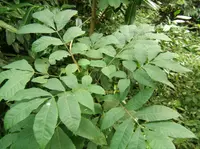
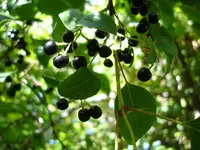
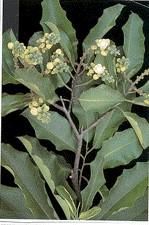
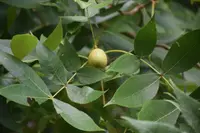
Bitternut hickory, Carya cordiformis, is a long-lived, medium to large deciduous tree native to eastern North America. It is part of the walnut family and is valued in natural woodlands and large landscapes.
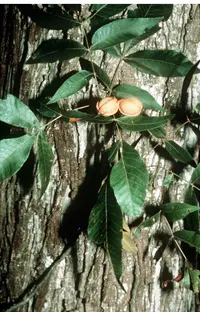
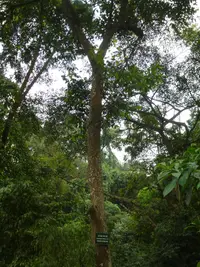
The tree has a tall, straight trunk, fine-textured crown, and pinnate leaves that turn clear yellow in fall. Its nuts are very bitter, which limits wildlife and human use compared with other hickories.
Bitternut hickory prefers full sun, moist but well-drained soils, and does best in deeper, fertile sites. It develops a strong taproot, which makes transplanting difficult and means gardeners should plan carefully when they care for bitternut hickory.

Care Difficulty
Moderate Care

Light Preference
Full Sun

Water Requirements
Moderate Water

Temperature Preference
Cold Hardy

Hardiness Zone
4–9

Soil Texture
Loamy, Silty, Clay

Soil pH
Acidic (5.5–6.5), Slightly acidic (6.5–7.0)

Soil Drainage
Moist but well-drained

Fertilization
Minimal (feed rarely)
Scan your plant to receive care tips personalized for your specific plant
Available on iOS and Android
This deciduous tree prefers open sites with abundant direct light for strong growth.
This deep-rooted tree prefers consistent soil moisture during establishment, then tolerates moderate drying.
This hardy North American hickory is adapted to cold winters and warm summers in temperate climates.
Humidity is rarely a limiting factor for Carya cordiformis outdoors.
Carya cordiformis grows best in deep, moist, structurally stable soils.
This species is generally unsuitable for long-term container growing due to its deep taproot and large mature size.
This native tree usually needs minimal feeding in established landscapes, but light fertilization can support young bitternut hickory growth on poor soils.
Carya cordiformis needs little structural pruning once mature, but thoughtful cuts improve safety and form.
This species is rarely kept long term in containers, so care focuses on careful field transplanting of young trees.
Propagation of this hickory is mainly done from seed and requires patience due to slow early growth.
This hardy deciduous tree generally needs minimal winter care once established in suitable climates.

Plant Health Check
Not sure what's wrong with your plant? Check your plant's health inside the app.
The nuts of this species contain high levels of bitter compounds, which makes them unpalatable to humans but still valuable as food for wildlife such as squirrels and some birds.
It naturally dominates moist to wet bottomlands and stream terraces in eastern North America, tolerating periodic flooding better than many other hickories.
This species hybridizes with several other hickories, such as shagbark and pignut hickory, and these natural hybrids can complicate field identification for botanists.

Bitternut hickory produces a distinctive bright yellow winter bud, coated in resin, which is one of the most reliable features botanists use to identify the species when the tree has no leaves.
This tree is moderately fast for a hardwood, often adding 30–60 cm per year when young. Growth slows with age. Deep, moist but well-drained soil and reduced competition from turf or weeds improve vigor and long-term structure.
Keep your plants happy and healthy with plant identification, disease detection, and easy care guidance.