Deep root establishment
During the first growing season, allow the top 5–7 cm of soil to dry, then water deeply to encourage a strong taproot, which improves drought resilience and reduces the need for staking later.

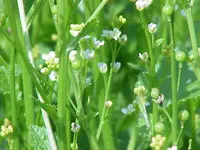
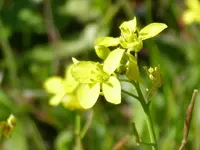
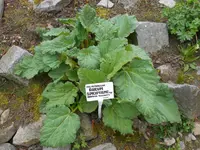
Crambe hispanica, often called hispanic crambe, is an annual oilseed plant in the cabbage family. It forms a loose rosette of leaves and sends up branched flowering stems. Small white flowers appear in airy clusters, giving the plant a light, cloud-like look in bloom. Seed pods follow and are the main agricultural interest.
This species is native to parts of the Mediterranean and western Asia, typically growing in open, sunny, dry habitats. It is generally considered easy to grow where summers are warm, soils are well-drained, and moisture is moderate. Gardeners who care for hispanic crambe often value its drought tolerance and relatively low maintenance needs.

Care Difficulty
Moderate Care

Light Preference
Full Sun

Water Requirements
Moderate Water

Temperature Preference
Cool Climate

Hardiness Zone
6–9

Soil Texture
Sandy, Loamy, Rocky

Soil pH
Slightly acidic (6.5–7.0), Slightly alkaline (7.0–7.5)

Soil Drainage
Well-drained

Fertilization
Minimal (feed rarely)
Scan your plant to receive care tips personalized for your specific plant
Available on iOS and Android
This sun-loving perennial forms its best flowering display in open, bright sites.
This deep-rooted perennial prefers evenly moist but never waterlogged soil.
This hardy perennial thrives in temperate climates with cool to warm summers.
This species is adapted to dry, open habitats, so humidity is rarely a limiting factor outdoors.
Crambe hispanica prefers light, free-draining mineral soils that do not stay wet after rain or irrigation.
This species can be grown in containers, but only if the pot closely mimics its naturally dry, deep, and well-drained rooting conditions.
This drought-tolerant perennial needs only light feeding for steady growth and flowering.
Pruning Crambe hispanica is minimal and mainly focuses on keeping the plant tidy and flowering well.
This species is usually grown in the ground, where it dislikes frequent disturbance of its deep taproot.
Propagation is most reliable from seed, with some growers also using careful root cuttings for Crambe hispanica plant care.
This hardy perennial tolerates typical temperate winters but benefits from some root-zone protection in colder regions.

Plant Health Check
Not sure what's wrong with your plant? Check your plant's health inside the app.
This species is considered one of the closest wild relatives of cultivated kale and other leafy brassicas, and has been used in breeding programs to introduce traits like heat tolerance and drought resilience.
It naturally occurs in dry, open habitats around the western Mediterranean, where it is adapted to nutrient-poor, stony soils and highly seasonal rainfall patterns.
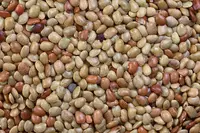
Its seeds contain a high proportion of fixed oils with a distinctive fatty-acid profile, which has attracted interest for potential industrial and bio-based applications rather than food use.

Genetic studies show that this species holds a relatively high level of wild genetic diversity compared with many domesticated brassicas, making it a valuable reservoir of traits for future crop improvement and climate resilience research.
Poor flowering usually comes from insufficient sun, overly rich nitrogen fertilizer, or drought at bud formation. Ensure full sun, moderate nutrients, and consistent moisture. Deadhead spent stems so energy goes into new buds rather than seed.
Keep your plants happy and healthy with plant identification, disease detection, and easy care guidance.