Veined Cup Care (Disciotis venosa)

Veined Cup

About Veined Cup

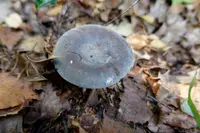
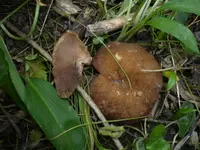
Veined cup (Disciotis venosa) is a cup-shaped, spring-fruiting fungus rather than a leafy plant. It produces shallow, saucer-like fruiting bodies with distinct vein-like ridges on the inner surface.

This species is native to temperate regions of North America and Europe, where it grows on soil in woodlands, often near melting snow or on disturbed ground. Its short season, specific habitat needs, and preference for cool, moist conditions make it challenging to cultivate and limit how to care for Veined Cup in typical garden settings.

Disciotis venosa generally favors humus-rich, moist, well-drained soil in partial shade, similar to many woodland fungi.

Main Plant Requirements

Care Difficulty

Hard Care

Light Preference

Partial Shade

Water Requirements

Regular Water

Temperature Preference

Cold Hardy

Hardiness Zone

3–8

Soil Texture

Loamy, Silty, Organic-rich

Soil pH

Slightly acidic (6.5–7.0)

Soil Drainage

Moist but well-drained

Fertilization

Minimal (feed rarely)

Get Personalized Care Plan

Scan your plant to receive care tips personalized for your specific plant

Available on iOS and Android

How to Care for the Veined Cup

This spring fungus prefers cool, moist woodland light rather than direct, open sun.

  • Provide bright, dappled shade under deciduous trees, with 1–3 hours of early morning sun and no harsh midday or afternoon sun on the Veined Cup fruiting area.
  • Choose sites where leaf litter and understory plants filter light; avoid exposed south-facing slopes that receive more than 4–5 hours of direct sun.
  • In late winter to early spring, increasing light as trees leaf out is normal; excessive sun exposure later can dry the forest floor and shorten the fruiting period.

This cup fungus relies on consistently moist, not saturated, forest soil for reliable fruiting.

  • Ensure humus-rich, loose soil that drains freely; water only if managing a cultivated patch and the top 2–3 cm start to feel barely moist rather than wet.
  • In spring, natural rainfall usually suffices; during dry spells, occasional deep soaking is better than frequent light splashes to avoid surface crusting.
  • Watch for signs of overwatering such as persistently soggy soil and mold growth, or underwatering indicated by cracked soil surface and shriveling or brittle Disciotis venosa fruiting bodies.

This species fruits best in cool spring conditions typical of temperate woodlands.

  • Optimal fruiting usually occurs around 45–60°F (7–16°C) when snowmelt or early rains keep the soil cool and moist.
  • The fungus tolerates brief dips near 32°F (0°C), but hard freezes below 28°F (-2°C) can damage or halt visible fruiting bodies.
  • Sustained warmth above 70–75°F (21–24°C) combined with dry soil quickly ends the fruiting season, so shaded, moist microsites extend its temperature comfort window.

Humidity plays little role for Disciotis venosa, which thrives mainly in cool, moist soil rather than humid air.

Disciotis venosa fruits best in cool, moist, humus-rich forest soil with steady drainage.

  • Use a loose mix based on leaf mold or composted bark with some garden loam and a small amount of coarse sand.
  • Aim for slightly acidic to neutral pH around 5.5–7.0, avoiding strongly alkaline or limed areas.
  • Maintain constant, light moisture without waterlogging, as standing water quickly stresses the cup fungi.
  • Improve aeration by incorporating coarse particles such as grit or fine gravel, especially in heavier loam.

This fungus is poorly suited to container growing, as it relies on complex soil and forest floor conditions that are difficult to reproduce in pots.

This woodland fungus usually needs no fertilization when grown in naturally rich soil or leaf litter.

Disciotis venosa does not need structural pruning, but light hygiene helps reduce disease risk around fruiting bodies.

  • Remove spent or decaying fruiting cups with clean hands or a disinfected knife to limit fungal pathogens on site.
  • Avoid disturbing surrounding soil and mycelium; cut at the base of the cup rather than pulling it out.
  • Do not trim nearby tree or shrub roots specifically for this species, as it relies on a stable woodland soil community.

This species is rarely container-grown; management focuses on careful transplanting of colonized soil rather than true repotting.

  • Transplant only if a patch must be relocated, for example from a disturbed construction area, and expect variable success.
  • Best timing is early spring, moving a generous block of colonized soil and leaf litter intact to a similar shaded, moist site.
  • Water gently after transplanting to settle soil without compaction, then keep the area evenly moist but not waterlogged.
  • Avoid frequent disturbance; once a Veined Cup colony is moved, leave it undisturbed for several seasons to recover.

Propagation of this wild cup fungus is challenging and usually left to natural spore dispersal in suitable woodland habitats.

This temperate woodland fungus is naturally cold hardy in its native range and needs no special winter care in the ground.

Care Tips

Correct habitat sourcing

When foraging or introducing Veined Cup, choose shaded, deciduous woodland sites with rich leaf litter and avoid conifer-heavy, acidic areas, as this fungus is adapted to neutral to slightly alkaline forest soils with spring snowmelt influence.

Leaf litter management

Maintain a loose layer of partially decomposed hardwood leaf litter over the fruiting zone instead of bare soil or heavy mulch, since this mimics natural forest duff, buffers moisture, and encourages stable mycelium development.

Gentle harvesting technique

Cut cups at the base with a clean knife instead of pulling, and leave small or damaged specimens in place so the below-ground mycelium remains intact and can continue to fruit in future seasons.

Seasonal marking and mapping

Flag or lightly mark productive patches during the fruiting season and record GPS points so the same microhabitats can be monitored and protected from compaction, raking, or digging in following years.

Minimal soil disturbance

Avoid tilling, raking deeply, or repeatedly walking over the fruiting zone, and if managing a woodland garden for growing Veined Cup, keep paths clearly defined so the mycelium-bearing soil structure remains undisturbed.

Common Pests and Diseases

Slugs and snails

These pests feed on the tender cup margins and inner surfaces, leaving irregular holes and shredded tissue on young fruiting bodies.

Solution

Hand-pick slugs and snails in the evening, use low-profile slug traps or barriers (such as copper tape or rough gravel), and avoid leaving boards or debris that provide moist daytime hiding spots near colonies when growing Veined Cup in a cultivated setting.

Springtails

These insects are small, white to gray jumping arthropods that cluster in very damp substrates and can graze on delicate fungal tissue and developing cups under overly wet conditions.

Solution

Reduce constant saturation by allowing the substrate surface to drain and slightly dry between waterings, increase air movement at ground level, and, if populations remain high, gently flood and drain the area to physically wash excess springtails away without using harsh chemicals.

Fungus gnat larvae

This pest develops in very moist, organic-rich substrates and the larvae may tunnel through young fungal tissue, causing collapse or distortion of emerging cups.

Solution

Allow the surface layer of the growing substrate to dry slightly, improve drainage, use fine-mesh covers over propagation containers if used, and apply a biological control such as Bacillus thuringiensis israelensis (Bti) to target larvae without harming the fungal mycelium.

Green mold (Trichoderma spp.)

This disease appears as dense green patches of mold on the substrate or on the outer surfaces of cups, often outcompeting the fungus and stunting or deforming fruiting bodies.

Solution

Remove and discard heavily colonized substrate and deformed cups, decrease constant moisture, increase airflow, and, for any controlled culture attempts, work with very clean tools, pasteurized substrate, and good ventilation to limit spore buildup.

Bacterial soft rot

This disease causes water-soaked, slimy, and foul-smelling decay of cups, which quickly collapse in overly wet or contaminated conditions.

Solution

Promptly remove and dispose of affected fruiting bodies, avoid overhead watering or standing water around the cups, and improve drainage and airflow so surfaces dry more quickly, which discourages bacterial growth.

Interesting Facts

Early spring fruiting

This fungus typically appears very early in spring, often soon after snowmelt, making it one of the first large cup fungi visible in temperate woodlands each year.

Strong chlorine scent

Fresh fruit bodies often release a noticeable bleach- or chlorine-like odor, especially when crushed, a characteristic used by mycologists to help distinguish it from similar cup fungi.

Veined inner surface

The inner surface of the cup shows a distinctive network of pale, vein-like ridges that inspired its species name venosa and help separate it from smoother brown cup fungi.

Botan icon

Did you know?

Molecular and morphological studies place this species in the family Morchellaceae, making it a relative of the morels, even though its cup-shaped fruit body looks very different from their hollow, pitted caps.

FAQs about Veined Cup

This cup fungus is considered edible by some sources but only when correctly identified and thoroughly cooked, as it may resemble toxic morels and other lookalikes. Foragers should consult local experts and never eat uncertain specimens.

Grow Healthy Plants with Botan Care

Keep your plants happy and healthy with plant identification, disease detection, and easy care guidance.

Botan plant care app — identify plants on mobile

Explore More Plants