strawberryleaf raspberry Care (Rubus pedatus)

Also known as: Five-leaf Dwarf Bramble
strawberryleaf raspberry

About strawberryleaf raspberry

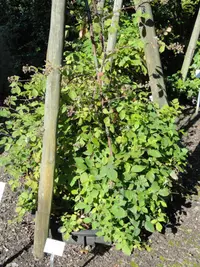
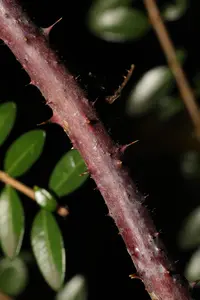
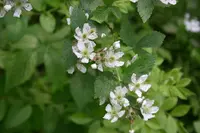
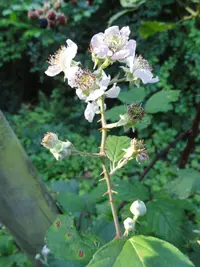
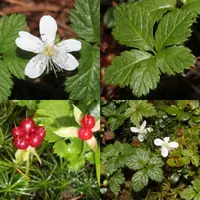
Strawberryleaf raspberry, Rubus pedatus, is a low, creeping bramble grown mainly as a woodland or groundcover plant. It forms a thin mat of stems with divided, strawberry-like leaves. Small white flowers appear in spring to early summer, followed by bright red berries that resemble tiny raspberries. The fruits are usually sparse but add ornamental interest. This species is native to cool, moist forests in northern parts of North America and eastern Asia, where it grows in partial shade and humus-rich soil. It stays compact and spreads slowly, so it suits small, shaded gardens and naturalistic plantings. Gardeners who care for strawberryleaf raspberry should note that it prefers consistent moisture, cool roots, and protection from hot sun or drying winds.

Main Plant Requirements

Care Difficulty

Moderate Care

Light Preference

Partial Shade

Water Requirements

Keep Soil Moist

Temperature Preference

Cold Hardy

Hardiness Zone

3–7

Soil Texture

Loamy, Peaty, Organic-rich

Soil pH

Acidic (5.5–6.5), Slightly acidic (6.5–7.0)

Soil Drainage

Moist but well-drained

Fertilization

Minimal (feed rarely)

Get Personalized Care Plan

Scan your plant to receive care tips personalized for your specific plant

Available on iOS and Android

How to Care for the strawberryleaf raspberry

This creeping woodland raspberry prefers cool, filtered light similar to a moist forest edge.

  • Provide bright dappled shade or morning sun with afternoon shade, aiming for 2–4 hours of gentle direct light per day.
  • Tolerates deeper shade but flowering and fruiting of strawberryleaf raspberry decline if it receives less than 2 hours of light.
  • Avoid hot, direct midday or afternoon sun, which can scorch leaves; in summer, use overhead shrubs or trees to provide broken shade.

This species prefers consistently moist, cool soil without remaining saturated.

  • Water when the top 2–3 cm of soil feel slightly dry, then moisten the root zone thoroughly so water drains away freely.
  • Increase watering during warm, dry spells and reduce frequency in cool, rainy seasons, relying more on natural rainfall where climate allows.
  • Watch for pale, limp leaves and dry, crumbly soil as signs of underwatering, and for yellowing leaves, soft stems, or sour-smelling, soggy soil as signs of overwatering in Rubus pedatus.

This plant is a cool-climate woodland species with good cold tolerance but limited heat tolerance.

  • Active growth occurs best around 50–70°F (10–21°C), with flowering and fruiting strongest in consistently cool, moist conditions.
  • Established plants tolerate winter lows down to about 0°F (−18°C) under snow or mulch, but young plants benefit from protection during very hard freezes.
  • Heat above 80°F (27°C), especially with full sun and low humidity, can cause leaf scorch, so provide extra shade and soil moisture during hot spells.

This species handles typical outdoor humidity but prefers slightly moist air in cultivation.

  • Aim for 40–60% humidity, which suits strawberryleaf raspberry grown in most temperate homes or shaded patios.
  • Expect leaf edges to crisp, droop, or bronze if air stays very dry, especially with strong sun or heaters nearby.
  • Increase humidity locally by grouping plants, placing pots over pebble trays with water below the pot base, or using a small humidifier in dry rooms.

Rubus pedatus performs best in loose, moist, humus-rich soil that mimics a cool forest floor.

  • Use a mix of roughly 50% peat or coco coir, 30–40% compost, and 10–20% perlite or fine bark to create a friable, organic-rich medium.
  • Ensure drainage is consistent but not extreme; soil should stay evenly moist yet drain within a few minutes after watering without pooling.
  • Aim for slightly acidic soil with pH around 5.5–6.5, which supports nutrient uptake and root health for Rubus pedatus.
  • Improve aeration and reduce compaction by adding fine bark or perlite and avoid heavy clay, waterlogged spots, or pure sand that dries too fast.

This species can be grown in containers if the potting setup supports its shallow, spreading root system.

  • Select a wide, shallow container to accommodate its creeping growth and allow stolons to spread rather than forcing deep rooting.
  • Use a heavier or low-profile pot if exposed to wind, as the spreading foliage can catch breezes and tip lightweight containers.
  • Position the container where runoff water can escape freely so trailing stems do not sit in chronically wet saucers that encourage rot.

Rubus pedatus is a woodland groundcover that benefits from modest feeding in poorer soils.

  • Apply a thin layer of compost or leaf mold in spring to mimic its natural forest habitat.
  • Use a balanced slow-release fertilizer (around 10-10-10) at half strength once in spring if growth appears weak.
  • Avoid high-nitrogen lawn products nearby, which can cause lush but fragile foliage.
  • Do not feed during winter dormancy; resume light feeding only in active growth.

Rubus pedatus needs light pruning to keep low mats healthy and productive.

  • In late winter or early spring, remove dead, diseased, or winter-damaged stems with clean hand pruners.
  • Thin out crowded runners to maintain airflow and reduce fungal problems in dense shade.
  • Trim back overly long stolons after fruiting to control spread and keep an even groundcover shape.
  • Disinfect tools when working around diseased tissue to limit pathogen spread.

This species is usually grown in the ground, so care focuses on careful transplanting rather than frequent repotting.

  • Transplant young plants or divisions in early spring or early fall when temperatures are mild.
  • Move plants only when clumps become overcrowded or growth declines, typically every 3–5 years.
  • Lift with a broad soil ball to keep fine roots intact, then replant at the same depth in moist, humus-rich soil.
  • Water thoroughly after transplanting, then keep soil evenly moist and shaded to limit transplant shock.

Rubus pedatus is commonly propagated by division, layering, and sometimes seed in suitable woodland conditions.

  • Divide established clumps in early spring or fall, replanting sections with healthy roots and several shoots.
  • Pin low runners to the soil for simple layering, then sever and move once new roots form.
  • Sow fresh seed in fall outdoors, using natural cold stratification to break dormancy.
  • Keep propagation sites cool, shaded, and evenly moist to support steady root development.

This ground-hugging species is generally cold hardy and requires little intensive winter care in most temperate climates.

  • In regions with severe freezes, apply a 3–5 cm layer of leaf mulch around the root zone for insulation.
  • Allow foliage to die back naturally; it helps protect crowns until spring growth resumes.
  • For containers, move pots into a sheltered, unheated area to avoid root damage from repeated freeze–thaw cycles.
  • Check that soil drains well through winter to prevent crown rot while caring for strawberryleaf raspberry.

Care Tips

Rhizome containment

Install a shallow root barrier or plant into a large, bottomless container sunk into the ground to keep its creeping rhizomes from spreading into nearby beds while still allowing a natural mat to form.

Leaf mulch mimic

Top-dress the planting area each autumn with a thin layer of shredded hardwood leaves to mimic its forest floor habitat, moderating soil temperature and keeping the shallow roots evenly moist.

Companion groundlayer

Underplant beneath open-branched shrubs or small trees that cast light shade, using the shrub canopy to protect the foliage from midday sun and wind while still allowing enough light for flowering.

Gentle foot-traffic management

Use stepping stones or log slices through the patch to prevent repeated foot traffic from compacting the soil and damaging its very shallow root system.

Targeted slug control

Place low-profile slug traps or hand-pick slugs in the evening around new growth, since protecting young shoots from grazing is important for successfully growing strawberryleaf raspberry in damp, cool climates.

Common Pests and Diseases

Raspberry leaf spot

This disease causes small purple to brown spots on leaves that can merge and lead to premature leaf drop, especially in moist, shaded conditions typical for strawberryleaf raspberry habitats.

Solution

Remove and discard heavily spotted leaves, avoid overhead watering, and thin surrounding vegetation to improve air movement; in persistent cases, apply a copper-based fungicide in early spring when new leaves emerge, following label directions.

Powdery mildew

This disease shows as a white, powdery coating on upper leaf surfaces and young stems, often during warm days with cool, humid nights in forest understories.

Solution

Increase air circulation by selectively pruning nearby growth, avoid wetting foliage late in the day, and treat affected plants with a sulfur or potassium bicarbonate fungicide if coverage expands, repeating as directed until new growth appears healthy.

Aphids

These insects cluster on tender shoot tips and undersides of leaves, sucking sap and causing curling, distortion, and sticky honeydew that can attract sooty mold on low-growing Rubus pedatus patches.

Solution

Spray colonies off with a firm stream of water, pinch back heavily infested shoot tips, and if needed apply insecticidal soap or a light horticultural oil to leaf undersides, repeating at 5–7 day intervals until populations decline.

Spider mites

These pests thrive in hot, dry conditions and cause fine stippling, bronzing, and eventual leaf drop, sometimes with delicate webbing on the undersides of leaves in more exposed or drought-stressed plantings.

Solution

Rinse foliage thoroughly with water, focusing on leaf undersides, raise local humidity with mulch and regular soil-level watering, and use horticultural oil or insecticidal soap labeled for mites if damage continues, ensuring full coverage of affected foliage.

Raspberry cane blight

This disease leads to sunken, dark lesions on stems, wilting of attached leaves, and dieback of entire canes, especially where canes have been wounded or damaged by pruning or traffic.

Solution

Cut out and destroy affected canes well below the lowest visible lesion, disinfect pruning tools between cuts, avoid injuring stems, and improve drainage and spacing so canes dry quickly after rain to reduce future infections while following targeted Rubus pedatus care guidelines for pruning timing.

Interesting Facts

Creeping forest groundcover

This species forms very low, creeping mats on the forest floor, with slender stolons that can root at the nodes and create a loose, patchy carpet in cool, moist coniferous woods.

Distinctive five-part leaf

Its common name strawberryleaf raspberry comes from the leaves, which are usually divided into 5 separated leaflets that give the plant a delicate, star-like foliage pattern unlike most other raspberries.

Tiny but flavorful fruit

The bright red berries are unusually small even for dwarf Rubus species, but they are edible and considered pleasantly flavored by foragers in parts of its native Pacific coastal and boreal range.

Botan icon

Did you know?

In parts of its northern range, this species often grows alongside mosses and other forest-floor specialists, and its low, sparse growth habit allows significant light to reach the soil surface, helping maintain a diverse understory community without forming dense thickets like many other raspberries.

FAQs about strawberryleaf raspberry

This species spreads slowly to moderately by slender stolons, forming low patches rather than dense thickets. It is generally manageable in garden settings and rarely becomes a problem if given a defined area and light edging maintenance.

Grow Healthy Plants with Botan Care

Keep your plants happy and healthy with plant identification, disease detection, and easy care guidance.

Botan plant care app — identify plants on mobile

Explore More Plants