Coltriciella dependens Care

About Coltriciella dependens

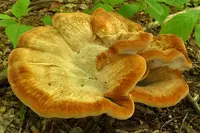
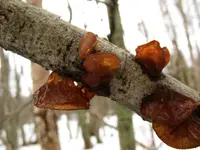
Coltriciella dependens is a bracket-forming wood-decay fungus rather than a typical leafy houseplant. It produces small, leathery, shelf-like fruiting bodies that cling to dead or decaying wood. Colors often range from yellow-brown to dark brown, with concentric zones and a tough texture. In nature it occurs on fallen branches, stumps, or trunks in forested areas, where it helps break down lignin and other woody components.

Because it is highly specialized to living on dead wood outdoors, it is not commonly cultivated and is difficult to maintain in controlled conditions. For those who try to care for Coltriciella dependens, stable moisture in its woody substrate and a cool, shaded environment are essential.

Main Plant Requirements

Care Difficulty

Moderate Care

Light Preference

Partial Shade

Water Requirements

Moderate Water

Temperature Preference

Warm Climate

Hardiness Zone

Unknown

Soil Texture

Loamy

Soil pH

Slightly acidic (6.5–7.0)

Soil Drainage

Well-drained

Fertilization

Minimal (feed rarely)

Get Personalized Care Plan

Scan your plant to receive care tips personalized for your specific plant

Available on iOS and Android

How to Care for the Coltriciella dependens

This wood-decaying fungus prefers stable, shaded forest light rather than direct sun exposure.

  • Provide bright shade or dappled light under trees, with no more than 1–2 hours of weak, early-morning sun and full protection from strong midday and afternoon sun.
  • Site logs or host wood on the north or east side of larger plants or structures so the fungus receives indirect light and stays shielded from drying winds.
  • Avoid deep, continuous darkness; some ambient daylight helps maintain a natural rhythm, but excessive direct sun quickly dries the substrate and suppresses fruiting.

Moisture management focuses on keeping the host wood evenly damp without waterlogging.

  • Allow the outer 1–2 cm of the woody substrate to feel just slightly dry before rewetting, then moisten thoroughly so water penetrates but does not pool around the base.
  • During warm, dry periods, check moisture every 2–3 days; in cool or rainy seasons, reduce checks to weekly and rely more on natural rainfall or ambient humidity.
  • Watch for sour, rotten odor and soft, collapsing tissue as signs of excess moisture, while cracked, very light wood and shrinking fruiting bodies indicate underwatering.

Stable, cool to mild temperatures support consistent development of this wood-inhabiting species.

  • Aim for an active growth range around 55–70°F (13–21°C), which suits shaded woodland conditions and slows desiccation of the colonized wood.
  • Protect colonized logs from hard frost below about 25°F (-4°C) by using insulating leaf litter or positioning them in more sheltered microhabitats.
  • In hot spells above 80°F (27°C), move exposed wood into deeper shade and increase ambient humidity, since prolonged heat and drying winds can halt growth and damage fruiting bodies.

This species prefers consistently moist air but adapts moderately to typical indoor humidity if not too dry.

  • Aim for 60–80% humidity, using a humidifier or enclosed case in very dry homes.
  • Crisping edges or dulled color indicate humidity stress and a need for more moisture in the air.
  • Increase humidity locally with pebble trays under the pot or by grouping moisture-loving plants together.

Provide a loose, moist but freely draining substrate that mimics decaying wood or forest litter.

  • Use a mix of fine bark, leaf mold or compost, and a small amount of sharp sand or perlite to boost drainage.
  • Target a slightly acidic to neutral reaction around pH 5.5–7.0, avoiding strongly alkaline substrates.
  • Keep the structure airy; avoid dense, clay-heavy materials that stay waterlogged and limit oxygen around the base.
  • Refresh or top up organic components regularly, as they break down and compact over time, reducing aeration.

This species can be maintained in containers when the pot environment closely replicates its naturally moist, wood-based habitat.

  • Select a wide, shallow container to spread the substrate and support surface colonization rather than deep rooting.
  • Use a sturdy, heavier pot material to keep the container stable if the substrate is light and unevenly distributed.
  • Drill or confirm multiple drainage holes so excess water leaves quickly, then empty saucers promptly to prevent stagnation at the base.

This wood-decaying fungus typically grows on nutrient-rich substrates and does not benefit from added fertilizer in cultivation.

Pruning is not applicable to Coltriciella dependens, which forms bracket-like fruiting bodies rather than leafy shoots or stems.

This species is not managed like a container plant; care focuses on providing suitable woody substrate rather than repotting.

  • Transplant only small colonized substrate pieces if necessary, moving them onto similar dead wood to maintain compatible conditions.
  • Work in mild weather, avoiding extremes of heat or cold that can dry out or shock the fungal tissue.
  • Handle the colonized wood gently to avoid breaking the fruiting bodies and internal mycelium network.
  • Maintain similar moisture and shade levels at the new site to reduce stress on the developing mycelium.

Propagation of this wood-inhabiting fungus is specialized and not a routine task for most home growers.

In typical outdoor settings this species requires no targeted winter care, as the main fungal body resides protected within the wood it colonizes.

Care Tips

Substrate choice

Grow specimens on well-decayed hardwood, cork oak pieces, or sterilized hardwood mulch rather than generic potting soil, since this fungus is specialized to colonize lignin-rich woody material.

Wood pre-conditioning

Before inoculation, soak the chosen wood for 12–24 hours, then let it drain for a day to achieve a moist but not dripping log or block that supports steady mycelial spread without anaerobic rot.

Contamination control

When handling spawn and substrate, flame or alcohol-sterilize cutting tools and use clean gloves so competing fungi and bacteria do not outgrow the slow, crust-forming mycelium.

Moisture buffering

Place the inoculated wood on a layer of rinsed, damp perlite or coarse gravel rather than directly on plastic or solid trays, which improves drainage and provides a stable humidity envelope around the developing fruiting crusts.

Gentle observation

Avoid touching or scraping the fruiting surface; use a hand lens or macro photography for monitoring, since mechanical damage to the thin brackets slows recovery and can disturb long-term Coltriciella dependens care instructions in a culture collection setting.

Common Pests and Diseases

Wood-decay competition

This disease reflects the strong competition Coltriciella dependens faces from other wood-decay fungi on the same dead host material. Symptoms include reduced or patchy fruiting where competing crusts, brackets, or molds overgrow the substrate surface.

Solution

Remove and discard heavily overgrown wood pieces to reduce spore load around desirable fruiting areas, and avoid stacking many different decaying logs together in tight contact. Provide good airflow and drier spacing between wood pieces so the surface favors this species’ tougher, perennial crust rather than fast, soft competitors.

Mold overgrowth

This disease appears as soft, often fluffy white, gray, or green growth that spreads over the fruiting crust, especially on very damp, shaded wood. Symptoms include blurred margins of the Coltriciella dependens fruiting body and a dusty or cottony surface layer.

Solution

Improve ventilation and reduce prolonged surface wetness by spacing wood apart and avoiding constant overhead watering or misting in cultivation setups. Physically scrape off and discard mold-covered sections of wood, then allow the remaining substrate to dry slightly between moisture events while still preventing complete desiccation.

Wood-boring beetles

These insects tunnel into dead wood, creating galleries that destabilize the substrate and can physically disrupt or fragment the fruiting crust. Symptoms include small round exit holes, powdery frass, and sections of fruiting body that lift or break away from undermined wood.

Solution

Remove and dispose of heavily infested wood to prevent further beetle buildup, and store replacement logs off the ground in a dry but shaded, well-ventilated area. For display or culture pieces, periodically inspect for fresh frass, brush surfaces clean, and rotate or replace wood before structural damage becomes severe when caring for Coltriciella dependens.

Isopod grazing

These insects (woodlice or pillbugs) feed on decaying organic matter and may rasp the edges of fruiting crusts, especially on very moist, ground-contact wood. Symptoms include ragged margins, shallow surface pits, and presence of isopods hiding under or around the wood.

Solution

Lift logs onto bricks or supports to limit constant ground contact and reduce isopod shelter sites, and remove leaf litter or thick mulch directly under the substrate. If grazing damage is persistent, relocate logs to a slightly drier, raised location and manually remove isopods during routine checks.

Slime mold encroachment

This disease presents as brightly colored, gelatinous or foam-like patches that creep over the wood surface and can temporarily cover or obscure the crust. Symptoms include sudden appearance of yellow, orange, or white plasmodial masses that sheet across the substrate, sometimes coating the fruiting body.

Solution

Gently scrape or wipe off slime mold masses before they sporulate, and dispose of the material away from the site. Encourage faster surface drying by improving air movement and avoiding excessive watering so the wood surface does not stay continuously film-wet, which favors slime mold movement across the crust.

Interesting Facts

Tiny bracket fungus

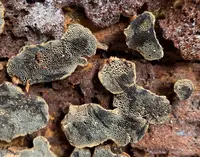
This species forms very small, bracket-like fruiting bodies that often appear as overlapping, leathery shelves on decaying wood, usually only a few millimeters to about 1 cm across.

Distinctive yellow pore surface

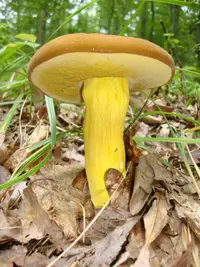
The fertile underside of the fruiting body has a bright yellow to yellow‑orange pore layer with very small, regular pores, which helps distinguish it from many other crust and bracket fungi on wood.

Wood‑decaying specialist

Coltriciella dependens is a saprotrophic fungus, meaning it feeds on dead organic matter, and it plays a role in breaking down woody debris in forests, contributing to nutrient cycling in its habitat.

FAQs about Coltriciella dependens

This fungus can be propagated only through spores, not true seeds. In garden or indoor settings it is very difficult to reproduce reliably, since it requires specific host wood, humidity, and microbial conditions usually found only in natural habitats.

Grow Healthy Plants with Botan Care

Keep your plants happy and healthy with plant identification, disease detection, and easy care guidance.

Botan plant care app — identify plants on mobile

Explore More Plants