Establish strong leader
During the first 3–5 years, select one central trunk and remove competing upright shoots in late winter to build a stable framework and reduce future storm damage.

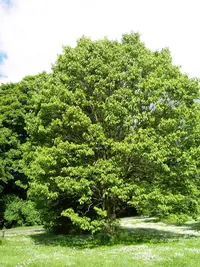
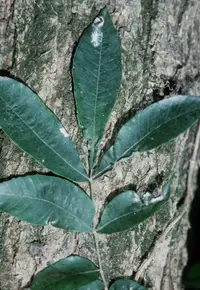
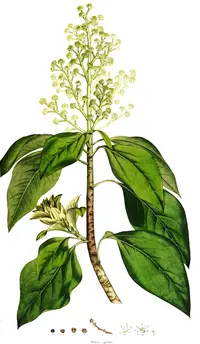
The Japanese raisintree (Hovenia dulcis) is a deciduous tree known for its rounded crown, glossy green leaves, and curious, swollen fruit stalks that resemble small raisins. It typically grows as a medium-sized shade tree with a fairly regular, spreading form.
This species is native to East Asia, especially Japan, Korea, and China, and is now grown in many temperate regions as an ornamental and for its sweet, edible receptacles. It is considered relatively easy to establish where the climate is suitable, as it tolerates a range of soils and light frost. Those who want to learn how to care for Japanese raisintree should note its preference for full sun, moderate moisture, and well-drained soil.

Care Difficulty
Easy Care

Light Preference
Full Sun

Water Requirements
Moderate Water

Temperature Preference
Cold Hardy

Hardiness Zone
5–9

Soil Texture
Sandy, Loamy, Clay

Soil pH
Slightly acidic (6.5–7.0), Neutral (7.0)

Soil Drainage
Well-drained

Fertilization
Minimal (feed rarely)
Scan your plant to receive care tips personalized for your specific plant
Available on iOS and Android
This deciduous tree prefers full sun but accepts light shade in hotter regions.
This species prefers evenly moist, well-drained soil once established.
This hardy tree tolerates a wide temperature range but grows best in moderate conditions.
This species tolerates a wide humidity range and usually does not need special humidity management outdoors.
This tree prefers moderately fertile, well-structured soil that drains freely but does not dry out too fast.
This species can be grown in large containers for the first years but eventually performs better in open ground.
This deciduous fruiting tree benefits from modest feeding on most garden soils.
Pruning Hovenia dulcis focuses on structure, safety, and light penetration rather than heavy shaping.
This species is usually grown in the ground, so management centers on transplanting young trees rather than frequent repotting.
New Hovenia dulcis plants are most often raised from seed, with cuttings used less commonly.
Mature trees are fairly cold hardy and need limited winter care in most temperate climates.

Plant Health Check
Not sure what's wrong with your plant? Check your plant's health inside the app.
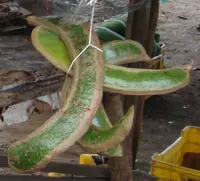
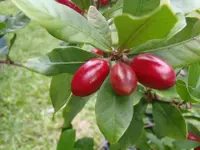
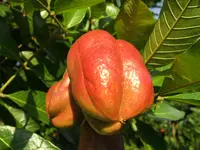
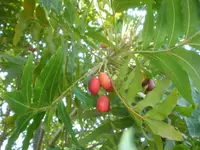
The sweet, raisin-like parts that are eaten are not the fruits but the thickened, fleshy peduncles that support the small dry capsules, an unusual feature among trees used as food.
Its edible peduncles are rich in sugars such as glucose and fructose, which explains their notable sweetness and has led to research on their potential as a natural sweetener source.
Although often associated with warm regions, this species is native to temperate East Asia and tolerates relatively cold winters, which has supported its introduction to various temperate countries as an ornamental and fruiting tree.

In several countries where it has been introduced, this species has naturalized and, in some cases, become invasive, forming dense stands that can outcompete local vegetation and alter understory light conditions.
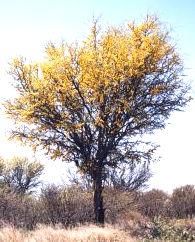
This species is moderately fast-growing, often adding 30–60 cm per year once established. In suitable conditions it can eventually reach 10–15 m tall with a broad, spreading crown that casts ample shade.
Keep your plants happy and healthy with plant identification, disease detection, and easy care guidance.