Redcurrant Care (Ribes rubrum)

Also known as: cultivated currant, northern red currant
Redcurrant

About Redcurrant

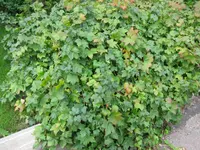
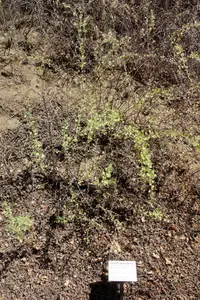
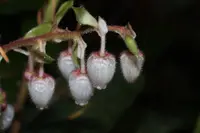
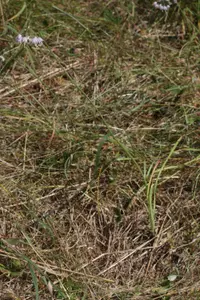
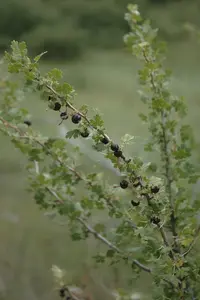
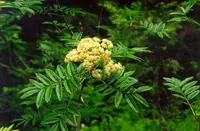
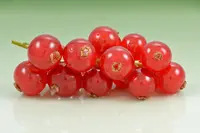
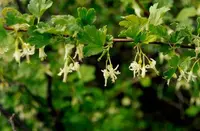
Redcurrant, Ribes rubrum, is a deciduous fruiting shrub grown for its clusters of bright, translucent red berries. It forms a compact, multi-stemmed bush with lobed green leaves and small, inconspicuous flowers in spring.

This species is native to parts of Europe and western Asia and is now widely cultivated in temperate gardens and small orchards. It is valued for reliable yields, cold tolerance, and relatively low maintenance compared with many other fruit shrubs.

Redcurrant prefers cool to mild climates, fertile and well-drained soil, and regular moisture without waterlogging. Understanding how to care for Redcurrant helps gardeners keep it productive and healthy over many years.

Main Plant Requirements

Care Difficulty

Moderate Care

Light Preference

Full Sun

Water Requirements

Regular Water

Temperature Preference

Cold Hardy

Hardiness Zone

3–7

Soil Texture

Loamy, Silty, Organic-rich

Soil pH

Acidic (5.5–6.5), Slightly acidic (6.5–7.0)

Soil Drainage

Moist but well-drained

Fertilization

Minimal (feed rarely)

Get Personalized Care Plan

Scan your plant to receive care tips personalized for your specific plant

Available on iOS and Android

How to Care for the Redcurrant

This shrub fruits best with strong light but can tolerate some shade in hotter climates.

  • Provide 6–8 hours of direct sun daily; morning sun with light afternoon shade reduces leaf scorch in hot summers.
  • Allow light partial shade (3–4 hours sun) in warm regions; yields may drop slightly but plants still remain healthy.
  • Avoid deep shade, which causes weak, leggy growth and poor fruiting, and protect Redcurrant from intense, all‑day midsummer sun in very hot areas.

This plant prefers consistently moist, not saturated, soil during the growing season.

  • Water when the top 3–5 cm of soil feels dry, applying a deep soak rather than a light sprinkle to encourage deeper roots.
  • Reduce watering in late fall and winter, focusing on natural rainfall for in‑ground Ribes rubrum while preventing the soil from becoming waterlogged.
  • Watch for stress signs: wilting and dry, crisp leaves suggest underwatering; yellowing leaves, soft stems, and soggy soil indicate overwatering or poor drainage.

This cool-climate shrub handles cold well but dislikes prolonged extreme heat.

  • Active growth and fruiting are strongest at 60–75°F (16–24°C), with sustained temperatures above 85°F (29°C) reducing flower and fruit set.
  • Dormant plants tolerate winter lows near 0°F (−18°C) once established, but young shrubs benefit from protection from drying winds and sudden cold snaps.
  • In hot regions, use mulch and afternoon shade to keep root and canopy temperatures below 85°F (29°C) and reduce heat stress and sunscald risk.

Humidity is rarely a limiting factor for redcurrant, which thrives in typical outdoor conditions of temperate climates.

Ribes rubrum prefers moist, well-structured soil that stays aerated but never waterlogged.

  • Use a loamy soil rich in organic matter, combining garden loam with compost at about 2:1 for structure and nutrients.
  • Aim for a slightly acidic to neutral pH around 6.0–7.0 to support nutrient uptake and root health.
  • Improve drainage and aeration by incorporating coarse sand or fine grit, especially in heavier clay soils.
  • Avoid compacted, boggy, or very shallow soils, which restrict root growth and increase root-rot risk.

This species can grow successfully in containers when given a large, stable setup outdoors.

  • Choose a deep, wide container of at least 40–50 cm diameter to provide enough root volume and support branching canes.
  • Select a heavier material like terracotta or thick-walled plastic to reduce tipping from wind and fruit weight.
  • Raise the pot slightly on feet or bricks so drainage holes clear freely and excess water does not pool under the container.

This shrub fruits best with moderate feeding on reasonably fertile soil.

  • Apply a balanced granular fertilizer (such as 10-10-10) or well-rotted compost in early spring as new growth starts.
  • Use 1 light application per year in the ground; for containers, feed every 4–6 weeks during the growing season at half label strength.
  • Keep fertilizers 5–10 cm from the stem base and water in thoroughly to avoid root burn.
  • Stop feeding Ribes rubrum by late summer and do not fertilize during winter dormancy.

Ribes rubrum benefits from structured pruning to maintain yield and plant health.

  • Prune in late winter or early spring while dormant, before buds break.
  • Remove dead, diseased, crossing, and very low branches with clean, sharp bypass pruners or loppers.
  • Thin older, dark barked stems, keeping mainly 1–3-year-old wood, which carries most fruit.
  • Shape the bush with an open center to improve light penetration and air flow, reducing disease risk.

This currant is usually grown in the ground and only occasionally kept long term in containers.

  • Transplant bare-root or container plants in late fall or early spring when dormant, avoiding hot, dry weather.
  • Move plants if growth is weak, the rootball is pot-bound with circling roots, or soil drains poorly.
  • Replant at the same depth in a wider hole with enriched, well-drained soil and water thoroughly to settle roots.
  • Mulch after transplanting, keep soil evenly moist, and avoid heavy pruning at the same time to limit stress.

Ribes rubrum is commonly propagated from cuttings for reliable, true-to-type plants.

  • Take hardwood cuttings in late fall–winter or softwood cuttings in late spring–early summer.
  • Use 15–20 cm cuttings with several buds; remove lower leaves and insert into free-draining, moist medium.
  • Maintain high humidity and moderate light; bottom heat around 68–72°F improves rooting of softwood cuttings.
  • Layer flexible low shoots in spring by pegging them into soil; sever and transplant once well rooted.

This species is cold hardy in most temperate climates and usually needs only minimal winter care.

  • Tolerates substantial frost when fully dormant, though very young plants are more vulnerable.
  • Apply 5–8 cm of organic mulch around the root zone in late fall, keeping it slightly away from stems.
  • For container plants, insulate pots with mulch or move them into an unheated but frost-free or sheltered spot.

Care Tips

Use Winter Mulch

Apply a 5–8 cm layer of straw, shredded bark, or composted wood chips around the base in late fall to protect shallow roots from freeze–thaw cycles and reduce winter dieback.

Encourage Airflow

Space plants so branches do not touch and thin congested interior shoots in early spring to reduce humidity within the canopy and lower the risk of fungal diseases like powdery mildew.

Install Branch Supports

Before fruit sets fully, place simple ring supports or short horizontal wires around the bush to keep fruit-laden branches from bending or snapping under weight.

Timed Netting Strategy

Drape bird netting over a frame just as fruits start to blush red, then remove it promptly after harvest to protect the crop while still allowing easy access for pruning and inspection.

Use Renewal Pruning

Each winter, remove 1–3 of the oldest, darkest stems at ground level to promote new productive shoots and keep the plant yielding well when growing Redcurrant.

Common Pests and Diseases

Currant blister aphid

This pest causes yellow, red, or orange blister-like swellings on the upper leaf surface and distorts young foliage. These insects feed on sap, which weakens plants and can reduce yield.

Solution

Prune and remove heavily distorted leaves early in the season and dispose of them in the trash. For light infestations, wash colonies off with a strong stream of water; for recurring issues, use horticultural soap or a light horticultural oil labeled for edible crops, applied thoroughly to leaf undersides before blisters become extensive.

Currant sawfly

This pest defoliates bushes, often very quickly, by skeletonizing leaves from the edges inward. Symptoms include ragged, chewed foliage and clusters of green, caterpillar-like larvae on leaves and stems.

Solution

Inspect plants frequently from spring onward and hand-pick or shake larvae into soapy water at the first sign of feeding. Where populations are heavy, use a plant-safe insecticide based on spinosad or pyrethrins, applied in the evening and directed to the foliage where larvae are feeding, following label directions for fruit crops.

Currant fruit fly

This pest lays eggs in developing berries; larvae feed inside, causing soft, discolored, and prematurely dropping fruit. Symptoms include wormy berries with brownish tunnels and reduced usable harvest.

Solution

Use fine mesh or insect netting over bushes just after flowering to block egg-laying adults, and promptly remove and destroy all infested or fallen berries to break the life cycle. In gardens with a history of this pest, consider early-ripening cultivars and avoid leaving ripe fruit on the plant, which reduces the time fruit is exposed to attack when growing Redcurrant.

American gooseberry mildew

This disease produces white, then brown felt-like fungal growth on shoot tips, leaves, and sometimes fruit, leading to distorted growth and poor yields. Symptoms include stunted new shoots and a matted coating on young tissue that later turns felted and brown.

Solution

Prune to open the center of the bush and remove infected shoot tips during dry weather, disposing of them away from the garden. Improve air movement, avoid overhead watering, and where needed apply a sulfur or potassium bicarbonate fungicide labeled for small fruits at the start of new growth and repeat as directed during humid periods.

Leaf spot (anthracnose)

This disease causes small dark spots on leaves that often merge, leading to premature defoliation, especially in wet seasons. Symptoms include thinning foliage from the bottom upward and weakened plants over time.

Solution

Rake up and remove all fallen leaves in autumn, and avoid overhead irrigation to keep foliage as dry as possible. In areas with a history of severe leaf spot, use a copper-based or other labeled fungicide starting at leaf emergence and repeat during prolonged wet weather, combined with pruning to improve airflow through the bush.

Interesting Facts

Northern European native

This species is naturally distributed across much of northern and central Europe, where it grows in cool, moist woodland edges, hedgerows, and riverbanks rather than in deep forest shade.

High pectin berries

The translucent red berries are naturally rich in pectin, a plant polysaccharide that gels when heated with sugar, which is why this species has been used for centuries in Europe for making clear jellies and glazes.

Self-fertile flowers

Although cross-pollination by bees and hoverflies improves fruit set, many cultivated forms of this species are largely self-fertile, so a single plant can still produce usable crops of berries.

Botan icon

Did you know?

In several European countries, redcurrant sauce or jelly made from Ribes rubrum has a long culinary history as a traditional accompaniment to rich meat dishes such as game and goose, providing acidity and tannins that help balance the high fat content.

FAQs about Redcurrant

Yes, it grows well in large containers if the pot is at least 35–45 cm wide, has good drainage, and is filled with fertile, well-drained substrate. Regular pruning and feeding keep the shrub productive and compact.

Grow Healthy Plants with Botan Care

Keep your plants happy and healthy with plant identification, disease detection, and easy care guidance.

Botan plant care app — identify plants on mobile

Explore More Plants