alkali mallow Care (Malvella leprosa)

Also known as: white-weed
alkali mallow

About alkali mallow

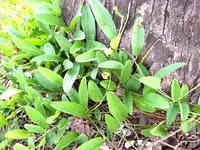
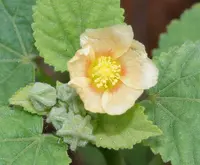
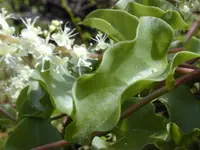
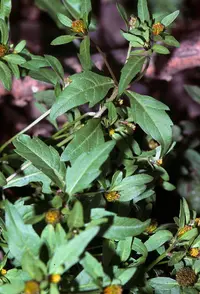
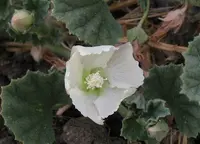
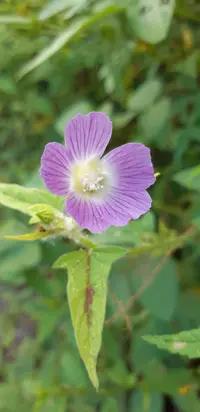
Alkali mallow (Malvella leprosa) is a low-growing perennial herb in the mallow family, often forming spreading mats or loose clumps. It has rounded, gray‑green leaves with a soft, slightly hairy texture and small, pale cream to yellowish flowers.

This species is native to arid and semi-arid regions of North and South America, where it commonly grows in salty or alkaline soils around wetlands, roadsides, and disturbed ground. Its strong tolerance to salinity, drought, and poor soils makes it a tough plant in dry landscapes.

Because of this resilience, it can be easy to care for alkali mallow in suitable climates, especially in full sun and well-drained, moderately moist to dry soil.

Main Plant Requirements

Care Difficulty

Easy Care

Light Preference

Full Sun

Water Requirements

Low Water

Temperature Preference

Warm Climate

Hardiness Zone

7–10

Soil Texture

Sandy, Loamy, Clay

Soil pH

Neutral (7.0), Slightly alkaline (7.0–7.5)

Soil Drainage

Waterlogged tolerant

Fertilization

Minimal (feed rarely)

Get Personalized Care Plan

Scan your plant to receive care tips personalized for your specific plant

Available on iOS and Android

How to Care for the alkali mallow

This sun-loving perennial thrives in bright, open sites typical of dry habitats.

  • Provide 6–8 hours of direct sun daily; morning and midday sun promote compact growth and abundant flowering in alkali mallow.
  • Plant where it receives full sun but can tolerate light afternoon shade in very hot regions, especially on exposed, reflective sites.
  • Watch for signs of stress: scorched, bleached leaves indicate too much intense sun, while lanky, weak stems and sparse blooms signal insufficient light, especially in late summer.

This drought-tolerant species prefers infrequent, deeper watering over light, frequent applications.

  • Allow the top 5–8 cm of soil to dry before watering; in-ground plants in sandy or loamy soil often need water only after extended dry spells.
  • Ensure fast-draining soil, since Malvella leprosa is prone to root problems if water stands around the crown or in heavy clay.
  • Crumpling, dull foliage and limp stems suggest underwatering, while yellowing lower leaves and a sour soil smell point to overwatering and poor drainage.

This hardy perennial is adapted to warm, dry climates with notable temperature swings.

  • Optimal growth occurs around 70–85°F (21–29°C), though established plants tolerate hotter summer days if soil is not waterlogged.
  • Mature plants usually survive down to about 15–20°F (-9 to -6°C) once established, but young plants benefit from protection during sudden cold snaps.
  • Frost can damage new shoots; in colder regions, growth may die back in winter and re-sprout in spring when temperatures consistently rise above 50°F (10°C).

This species is adapted to dry climates and generally performs well at 20–40% humidity.

  • Alkali mallow tolerates very dry air but may show slight leaf edge browning if exposed to hot, drying winds for long periods.
  • Watch for drooping, crispy new growth as a sign that low humidity combines with underwatering stress.
  • Increase local humidity only in extreme heat by grouping plants or using a shallow gravel tray, while still allowing the soil surface to dry between waterings.

This plant thrives in lean, mineral soils that drain quickly and never stay waterlogged.

  • Use a sandy or sandy-loam mix such as 50–60% coarse sand, 20–30% loam, and 10–20% fine gravel or grit for Malvella leprosa.
  • Aim for slightly alkaline to moderately alkaline conditions, roughly pH 7.5–8.5, avoiding acidic potting mixes and peat-heavy substrates.
  • Improve drainage and aeration by blending in coarse sand, small gravel, or perlite so water moves through the profile within a few minutes.
  • Avoid compacted clay, organic-rich mixes that stay wet, or low-lying sites where runoff or irrigation collects around the root zone.

This species can be grown in containers if the pot and substrate are chosen to mimic very free-draining ground conditions.

  • Select a wide, shallow container to accommodate its spreading root system without holding a deep column of moist substrate.
  • Use a heavy, stable pot material or add surface gravel to prevent wind from tipping over the container as top growth spreads outward.
  • Ensure multiple drainage holes and keep the container slightly elevated so water exits freely and salts do not accumulate at the base.

This salt-tolerant perennial generally needs minimal feeding, especially in native or poor soils where alkali mallow is adapted to thrive.

  • In average garden soil, use a light dressing of compost in spring to support steady growth.
  • If growth is weak, apply a balanced slow-release fertilizer (such as 10-10-10) once at the start of the growing season.
  • Use at half the label strength to avoid excessive, lush growth and reduced stress tolerance.
  • Skip additional feeding in fall and winter when growth slows or stops.

Light, thoughtful pruning keeps Malvella leprosa dense, tidy, and flowering well in garden settings.

  • Best time for structural pruning is late winter or very early spring before vigorous new growth.
  • Remove dead, damaged, or crossing stems with clean, sharp hand pruners to reduce disease risk.
  • Thin crowded interior shoots to improve air flow and light penetration, encouraging healthier foliage and blooms.
  • Lightly shorten overly long stems after flowering to maintain a compact, manageable shape.

This species is more often field- or bed-grown than potted, so focus on careful transplanting rather than frequent repotting.

  • Transplant in early spring or early fall when temperatures are mild and soil is workable.
  • Move plants when growth appears stunted, roots circle the container, or soil dries very quickly after watering.
  • Prepare a wide planting hole with well-drained, preferably alkaline soil, matching the original planting depth.
  • Water thoroughly after transplanting, then keep soil evenly moist for 1–2 weeks to limit root stress and establish contact with surrounding soil.

Malvella leprosa is commonly propagated from seed and softwood cuttings for restoration or garden use.

  • Sow seeds in late winter to early spring in a well-drained, sandy mix kept lightly moist.
  • Scarify hard seed coats gently with sandpaper to improve germination and speed emergence.
  • Take 7–10 cm softwood cuttings in late spring, using non-flowering shoots for better rooting.
  • Place cuttings in bright, indirect light with high humidity and use a rooting hormone to enhance root formation.

This plant is generally cold hardy in many temperate regions and often needs little winter attention in the ground.

  • Tolerates light to moderate frost once established, especially in well-drained sites.
  • Apply a 3–5 cm layer of dry mulch around the root zone in late fall in colder climates.
  • For plants in containers, move pots to a sheltered, unheated space where temperatures stay above severe freezing.

Care Tips

Salinity Management

In sites with slightly saline soil, monitor electrical conductivity if possible and periodically flush the root zone with fresh water to prevent salt buildup that can stunt growth despite this species’ relative salt tolerance.

Aggressive Spread Control

Check the edges of planting areas 2–3 times per season and promptly remove new stolons and seedlings so this species does not overrun adjacent beds, paths, or native plantings.

Targeted Groundcover Use

Use the plant as a deliberate living mulch in difficult, dry, or compacted spots where turf fails, spacing plants close enough that foliage closes gaps and suppresses weeds without smothering desired perennials.

Low-Input Mowing Strategy

In larger plantings, manage height and density by occasional high mowing (10–15 cm) rather than frequent low cuts, which preserves root reserves and reduces stress while keeping growth in check.

Habitat-Safe Herbicide Buffer

If herbicides are used nearby, maintain an untreated buffer strip and spray only on still, dry days to avoid drift, since non-selective products can quickly thin or kill stands when growing alkali mallow along field margins or roadsides.

Common Pests and Diseases

Leaf spots

This disease causes small brown to dark spots on leaves that can merge into larger blotches, often starting on older foliage in damp or irrigated areas. Symptoms include premature yellowing and shedding of affected leaves.

Solution

Remove and discard heavily spotted leaves and avoid overhead irrigation to keep foliage as dry as possible. Improve spacing and airflow in plantings, and if spots continue to spread in wet conditions, use a copper-based fungicide directed at the foliage according to label directions.

Powdery mildew

This disease produces a white to gray powdery film on upper leaf surfaces and young stems, which can lead to distorted growth and reduced vigor. Symptoms include leaves that yellow and dry from the edges if the infection is severe.

Solution

Increase sun exposure and airflow where possible and avoid excessive nitrogen fertilization that encourages soft new growth. For ongoing problems, treat early with a horticultural oil or potassium bicarbonate product labeled for powdery mildew, fully coating both upper and lower leaf surfaces.

Rust

This disease appears as small orange to brown pustules on the undersides of leaves, often with pale or yellow spots visible on the upper surface. Symptoms include gradual thinning of foliage and reduced flowering in dense or irrigated stands.

Solution

Prune or mow to remove affected foliage and dispose of debris so spores do not overwinter near the plants. Reduce leaf wetness by adjusting irrigation timing and, if needed in severe cases, apply a registered rust-control fungicide during the active growing season following label intervals.

Spider mites

These pests cause fine stippling and a dull, dusty look on leaves, especially during hot, dry periods, and may produce very fine webbing between leaves and stems. Symptoms include gradual bronzing and early leaf drop when populations are high.

Solution

Spray foliage thoroughly with a strong stream of water to knock mites off, focusing on the undersides of leaves, and increase ambient humidity slightly where feasible. In more serious infestations, apply an insecticidal soap or horticultural oil, repeating applications as new mites hatch.

Leafhoppers

These insects feed on leaf surfaces, causing pale speckling, tip burn, and sometimes a scorched appearance on exposed foliage in open, dry sites. Symptoms include quick movement of small wedge-shaped insects that jump or fly when disturbed.

Solution

Encourage predatory insects by minimizing broad-spectrum insecticides and reduce dusty conditions that favor leafhoppers. For persistent damage, use targeted insecticidal soap or a low-impact systemic product labeled for leafhoppers, focusing treatments on the most affected plant sections as part of broader Malvella leprosa care management in field or restoration settings.

Interesting Facts

Salt-tolerant wetland colonizer

This species naturally inhabits alkaline and saline wetlands, roadsides, and irrigated fields, where many other plants struggle, and often forms low mats that stabilize disturbed soils.

Creeping growth strategy

It has prostrate, creeping stems that root at the nodes when they contact moist soil, allowing it to spread laterally and quickly exploit bare, wet ground.

Distinctive hairy foliage

Leaves and stems are covered in dense, grayish star-shaped hairs (stellate trichomes) that give the plant a felted texture and help reduce water loss and reflect intense sunlight in exposed sites.

Botan icon

Did you know?

In some irrigated agricultural systems, this species has become a notable weed because its creeping, rooting stems and tolerance of both salinity and periodic flooding allow it to persist and spread even under repeated cultivation and water management interventions.

FAQs about alkali mallow

This species spreads by creeping stems and abundant seed, especially in disturbed or irrigated ground. In favorable sites it can form dense patches and behave weedy, so edging, mulching, and periodic removal of unwanted seedlings are important.

Grow Healthy Plants with Botan Care

Keep your plants happy and healthy with plant identification, disease detection, and easy care guidance.

Botan plant care app — identify plants on mobile

Explore More Plants