Creeping Thistle Care (Cirsium arvense)

Also known as: field thistle, Californian thistle, Canadian thistle, Canada thistle
Creeping Thistle

About Creeping Thistle

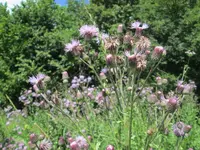
Creeping thistle, Cirsium arvense, is a perennial herbaceous plant known for its deep, spreading roots and vigorous colony-forming habit. It produces upright, branching stems with spiny, lobed leaves and lilac to purple flower heads that attract many pollinators. Native to parts of Europe and western Asia, it is now widespread across North America, especially in disturbed soils, pastures, and fields. The plant is very persistent because it spreads both by wind-dispersed seed and extensive underground rhizomes. Due to its invasive behavior, most gardeners manage rather than care for Creeping Thistle. It grows readily in full sun with moderate moisture and tolerates a wide range of soils, including poor, compacted ground.

Main Plant Requirements

Care Difficulty

Easy Care

Light Preference

Full Sun

Water Requirements

Moderate Water

Temperature Preference

Cold Hardy

Hardiness Zone

3–9

Soil Texture

Sandy, Loamy, Clay

Soil pH

Slightly acidic (6.5–7.0), Neutral (7.0)

Soil Drainage

Well-drained

Fertilization

Minimal (feed rarely)

Get Personalized Care Plan

Scan your plant to receive care tips personalized for your specific plant

Available on iOS and Android

How to Care for the Creeping Thistle

This species grows best in open, sunny sites but tolerates some shade, especially in cooler climates.

  • Provide full sun with at least 6–8 hours of direct light per day for strongest stems and flowering in Creeping Thistle.
  • Accepts light or partial shade, but plants in less than 4–5 hours of direct sun may grow taller, weaker, and produce fewer flowers.
  • In hot regions, aim for morning sun and light afternoon shade; in very exposed sites, prolonged midsummer heat and glare can dry soil quickly and scorch young foliage.

Cirsium arvense prefers consistent but not saturated soil, especially during active growth.

  • Allow the top 3–5 cm of soil to dry between natural rain events or irrigations, then water deeply so moisture reaches the root zone.
  • Use well-drained soil; standing water or heavy clay that stays wet leads to root rot, yellowing leaves, and weak, collapsing stems.
  • In hot, dry weather, watch for drooping or dull, gray-green foliage as a sign of drought stress, and reduce watering in cool or rainy seasons to avoid waterlogged conditions.

This hardy perennial tolerates a wide range of outdoor temperatures once established.

  • Optimal growth occurs around 60–77°F (16–25°C), with vigorous leafy growth in mild spring and early summer conditions.
  • Plants are cold-hardy, surviving winter temperatures well below 14°F (-10°C) when roots are in open ground and soil does not heave excessively.
  • Above about 86°F (30°C), growth may slow; provide sufficient soil moisture during heat waves, as prolonged extreme heat combined with drought can scorch foliage and reduce flowering.

This species tolerates a wide humidity range and usually does not need special humidity management.

This species prefers open, mineral-rich soil that does not stay waterlogged.

  • Use a moderately fertile loam or sandy loam with some organic matter to support root spread.
  • Ensure free drainage with a gritty component such as sharp sand or fine gravel mixed through the top 20–30 cm.
  • Aim for slightly acidic to neutral pH, about 6.0–7.5, which supports typical field growth.
  • Avoid compacted clay, heavy peat mixes, or sites where water stands after rain, as these favor root rot and poor aeration.

This plant is not well suited to container growing due to its aggressive, spreading root system.

Cirsium arvense usually thrives in average garden soil and needs little or no fertilizer once established.

  • If soil is very poor, apply a light top-dressing of compost in early spring to support growth.
  • Use a balanced, diluted liquid fertilizer (around 1/4 strength) only for young or stressed plants in active growth.
  • Feed at most 1–2 times during the growing season and avoid fertilizing during winter dormancy.

Pruning Cirsium arvense focuses on containment, health, and limiting seed spread rather than shaping.

  • Cut back flowering stems just after blooms fade to reduce self-seeding and channel energy to roots.
  • Remove dead, damaged, or weak shoots at ground level using clean, sharp shears or a scythe-type tool.
  • Mow or cut crowded patches several times per season to weaken the stand and manage spread.

Cirsium arvense is rarely grown in containers and is usually managed in open ground, where transplanting is done mainly for control or study.

  • Transplant in early spring or early fall when growth is slower to reduce stress on the deep, running roots.
  • Choose a new site with similar sun and soil; water well before and after moving to keep roots hydrated.
  • Lift plants with a spade, keeping as much root as possible, since broken root fragments can resprout and spread.
  • Disturb established clumps only when necessary, as frequent moving can fragment roots and increase spread.

Propagation of Cirsium arvense is very easy and is usually an issue of control rather than encouragement.

  • Root sections taken in early spring root readily; plant horizontally in moist, loose soil just below the surface.
  • Seeds germinate in light, well-drained soil; sow in spring, barely covering, and keep evenly moist until seedlings establish.
  • Small root pieces left in the soil often reshoot, so manage any unwanted spread promptly by repeated removal.

Cirsium arvense is very cold hardy and generally needs no special winter care in temperate climates.

  • The root system tolerates hard freezes, while top growth naturally dies back and can be cut at ground level.
  • A light mulch layer in late fall helps mark the area and slightly buffers freeze–thaw cycles for roots.
  • Container-grown plants, if any, can be moved to a sheltered, unheated spot to prevent rootball heaving.

Care Tips

Rhizome Exhaustion Strategy

Repeatedly cut or mow shoots to ground level every 2–3 weeks through the growing season to gradually deplete the plant’s rhizome energy reserves and reduce future regrowth.

Targeted Spot Spraying

If herbicides are permitted in your area, apply a systemic, thistle-labeled product to vigorous foliage in late summer or early fall when the plant is actively moving carbohydrates to its roots, which increases control efficiency.

Flower Head Management

Bag and remove flower heads before seeds mature, and dispose of them in household trash rather than compost so windborne seeds cannot spread into neighboring beds or wild areas.

Deep Barrier Installation

In beds where you want to keep a contained patch, sink solid root barriers or heavy edging 30–40 cm deep around the planting area to slow lateral rhizome spread into lawns and borders.

Disturbed Soil Monitoring

After any digging, construction, or soil import, inspect disturbed areas every 2–3 weeks and remove new shoots promptly, since disturbed ground is a prime site for growing Creeping Thistle from small rhizome fragments.

Common Pests and Diseases

Thistle rust

This disease causes orange to brown powdery pustules on leaves and stems, often leading to yellowing and early leaf drop. Symptoms include distorted growth and reduced vigor in affected patches.

Solution

Remove and destroy heavily infected shoots to reduce spore spread, and avoid overhead watering that keeps foliage wet for long periods. In ornamental or managed settings, improve spacing and airflow and, if legally permitted, use a labeled systemic fungicide on surrounding vegetation to reduce rust pressure, always following local regulations and label directions.

Powdery mildew

This disease produces white, powdery fungal growth on upper leaf surfaces, which can lead to yellowing and premature leaf death. Symptoms include a dusty coating that may spread across whole leaves and stems in dry, warm conditions.

Solution

Cut back and discard infected foliage to reduce inoculum, and thin dense stands to increase airflow and light penetration. In managed plantings, a preventive sulfur or potassium bicarbonate spray can help limit new infections if applied early and repeated according to label instructions.

Thistle aphids

These insects are small, soft-bodied sap suckers that cluster on stems, shoot tips, and leaf undersides, causing curling, distortion, and sticky honeydew. This pest can also attract sooty mold on the honeydew, making foliage appear dark and dirty.

Solution

Spray colonies off with a strong stream of water and prune out heavily infested shoots where practical. In more persistent infestations, apply insecticidal soap or a light horticultural oil, coating stems and leaf undersides thoroughly and repeating at 5–7 day intervals as needed while protecting nearby beneficial insects.

Thistle leaf beetles

These insects chew characteristic holes and notches in leaves, sometimes skeletonizing foliage when populations are high. This pest is often seen as adults and larvae feeding together on the same plants.

Solution

Hand-pick adults and larvae where numbers are low and drop them into soapy water. In larger infestations on managed sites, reduce cover by mowing before peak feeding, encourage natural predators, or, where allowed, use a targeted foliar insecticide applied directly to feeding beetles and leaf surfaces.

Leaf spot

This disease causes small brown to purplish spots on leaves that may merge into larger dead patches, especially in humid or wet weather. Symptoms include premature yellowing and shedding of the most affected leaves.

Solution

Remove and dispose of spotted leaves and cut back dense stands to reduce humidity around foliage. Avoid overhead irrigation, improve drainage, and where control is needed in managed areas, apply a labeled broad-spectrum foliar fungicide at the first signs of spotting, repeating as directed to protect new growth as part of broader Cirsium arvense plant care.

Interesting Facts

Extensive clonal colonies

This species spreads primarily through deep, horizontal rhizomes that can extend several meters, forming large clonal patches made of many genetically identical shoots. Seedlings are relatively rare in established stands compared with vegetative regrowth from these underground stems.

Sexes on separate plants

It is functionally dioecious, meaning individual plants produce either mainly male or mainly female flower heads rather than both. This separation of sexes influences how populations set seed and how pollinators move pollen within and between patches.

Wind‑dispersed seed plumes

The seeds are attached to a tuft of fine hairs called a pappus, which acts like a parachute and allows wind dispersal over long distances. This structure helps the plant colonize open, disturbed habitats such as roadsides and agricultural fields.

Botan icon

Did you know?

This species is native to Eurasia but is now listed as a noxious or invasive weed in many parts of North America, where its dense rhizome networks can reduce crop yields and outcompete native vegetation, making Cirsium arvense care instructions in natural areas focus mostly on long‑term, integrated control rather than cultivation.

FAQs about Creeping Thistle

This species spreads very aggressively by deep, creeping roots and wind-dispersed seeds. Even small root fragments can resprout, so any unwanted plants must be removed thoroughly and repeatedly to prevent it from dominating beds, lawns, or fields.

Grow Healthy Plants with Botan Care

Keep your plants happy and healthy with plant identification, disease detection, and easy care guidance.

Botan plant care app — identify plants on mobile

Explore More Plants