Early-season pinching
Pinch back young stems when they reach 20–30 cm to encourage denser, more wind-stable growth and reduce the risk of tall plants lodging later in the season.

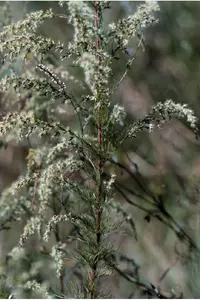
Dogfennel, Eupatorium capillifolium, is a fast-growing, herbaceous perennial often seen as a weedy plant in fields, roadsides, and disturbed sites. It is native to the southeastern United States and can spread rapidly in warm, open areas.
The plant forms tall, airy clumps with very fine, thread-like foliage that gives it a soft, feathery look. Stems can become woody at the base in older plants.
Dogfennel tolerates poor soils, heat, and drought, which makes it resilient but also invasive in some regions. It prefers full sun to light shade and moderately moist, well-drained soil, so understanding these preferences helps guide how to care for dogfennel.

Care Difficulty
Easy Care

Light Preference
Full Sun

Water Requirements
Low Water

Temperature Preference
Warm Climate

Hardiness Zone
6–11

Soil Texture
Sandy, Loamy, Organic-rich

Soil pH
Acidic (5.5–6.5), Slightly acidic (6.5–7.0)

Soil Drainage
Well-drained

Fertilization
Minimal (feed rarely)
Scan your plant to receive care tips personalized for your specific plant
Available on iOS and Android
Eupatorium capillifolium thrives in open, bright conditions similar to sunny meadows and roadsides.
This species prefers evenly moist, well-drained soil but copes with short dry spells once established.
This plant is adapted to warm-temperate climates with hot summers and mild to moderate winters.
This species is adaptable and does not have strict humidity requirements in most home or garden conditions.
Eupatorium capillifolium prefers light, free-draining soil that does not stay waterlogged.
This species can be grown in containers, but the tall, airy growth needs thoughtful pot choice for stability.
This wild perennial grows acceptably in poor soils, so caring for dogfennel rarely depends on fertilizer.
Pruning Eupatorium capillifolium mainly manages height, spread, and tidiness.
This species is usually grown in the ground, so focus on transplanting rather than frequent repotting.
Eupatorium capillifolium is commonly propagated by seed, division, or softwood cuttings.
This perennial is fairly cold hardy in much of its range and usually needs minimal winter care.

Plant Health Check
Not sure what's wrong with your plant? Check your plant's health inside the app.
The leaves are extremely narrow and finely divided into threadlike segments, which greatly increases surface area for photosynthesis while giving the plant a soft, feathery appearance similar to dill or fennel.
When crushed, the foliage releases a strong, resinous odor produced by volatile compounds such as terpenes, which are thought to help deter some herbivores and may reduce growth of nearby competing seedlings.
This species produces large numbers of wind-dispersed seeds on fluffy, white-tufted fruits, allowing it to rapidly colonize disturbed, sandy, or overgrazed sites in the southeastern United States.

Dogfennel is considered toxic to livestock such as cattle and horses when eaten in quantity, and its presence in overgrazed pastures is often used as an indicator of poor pasture management and reduced forage quality.
This species spreads readily by seed and short rhizomes, especially in disturbed, sunny sites. In suitable conditions it can form dense patches, so regular cutting, deadheading, and pulling unwanted seedlings are important parts of dogfennel care instructions.
Keep your plants happy and healthy with plant identification, disease detection, and easy care guidance.