common wireweed Care (Sida acuta)

Also known as: Spinyhead Sida
common wireweed

About common wireweed

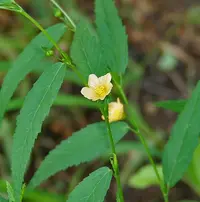
Common wireweed (Sida acuta) is a fast-growing, short-lived shrub often seen as a tough roadside or pasture weed. It forms many thin, woody stems with small, narrow leaves and small yellow flowers. The plant usually appears in warm, tropical to subtropical regions and quickly colonizes disturbed, dry ground. Its deep root system and strong self-seeding habit make it persistent and sometimes invasive. For anyone who needs to care for common wireweed in cultivation or restoration settings, it is generally easy to grow in full sun, with well-drained soil and moderate moisture.

Main Plant Requirements

Care Difficulty

Easy Care

Light Preference

Full Sun

Water Requirements

Low Water

Temperature Preference

Tropical / Frost Sensitive

Hardiness Zone

10–12

Soil Texture

Sandy, Loamy, Clay

Soil pH

Acidic (5.5–6.5), Slightly acidic (6.5–7.0)

Soil Drainage

Well-drained

Fertilization

Minimal (feed rarely)

Get Personalized Care Plan

Scan your plant to receive care tips personalized for your specific plant

Available on iOS and Android

How to Care for the common wireweed

Sida acuta thrives in bright, direct light typical of open, warm climates.

  • Provide 6–8 hours of full sun daily; strong morning and midday sun support compact growth and flowering.
  • Tolerates light partial shade, especially in the hottest months, but dense shade leads to leggy stems and fewer flowers in common wireweed.
  • In very hot regions, protect from harsh late-afternoon sun with light shade or neighboring plants to reduce leaf scorching and moisture stress.

Sida acuta prefers moderately dry conditions and is adapted to periodic drought.

  • Allow the top 3–5 cm of soil to dry before watering; soil should feel dry and slightly crumbly rather than sticky.
  • During hot, active growth, water deeply but infrequently, then let excess drain away; in cooler seasons, reduce frequency as growth slows.
  • Watch for wilting, dull leaves, and very dry soil as signs of underwatering, while yellowing, soft stems, or a sour soil smell indicate overwatering.

This warm-climate species grows best in consistently mild to hot conditions without frost.

  • Optimal growth occurs around 70–90°F (21–32°C), where Sida acuta maintains steady foliage and flowering.
  • The plant can survive down to about 40°F (4°C) for short periods but suffers damage near frost and may die back if repeatedly exposed.
  • Handles heat above 95°F (35°C) if soil is not waterlogged; in cooler seasons, growth slows and plants may defoliate partially but regrow when temperatures rise.

This species handles a wide humidity range and usually does not need special humidity management indoors or outdoors.

  • Aim for 30–60% humidity, which matches most heated and air-conditioned homes where common wireweed is sometimes kept.
  • Expect leaves to stay firm and green even in dry indoor air; this plant is naturally drought- and low-humidity tolerant.
  • Suspect humidity stress only if leaves crisp at the edges while soil stays evenly moist, which is rare in normal home conditions.

Sida acuta grows best in lean, well-drained mineral soils but adapts to many garden substrates.

  • Use a sandy or sandy-loam mix with moderate organic matter so roots stay aerated and do not sit in water.
  • Aim for slightly acidic to neutral pH around 6.0–7.5, avoiding strongly acidic or saline soils that restrict root function.
  • Combine 50–60% coarse sand or gritty topsoil with 20–30% compost and 10–20% perlite to balance drainage and nutrient supply.
  • Avoid heavy clay, compacted ground, or spots where water pools; loosen dense soil with coarse sand and fine gravel to improve structure.

This species can be grown in containers, especially where garden space is limited or where spread needs control.

  • Choose a deep, heavy pot that resists tipping, as stems can become woody and slightly top-heavy in windy sites.
  • Select containers with multiple side and base drainage holes so sudden downpours cannot leave roots waterlogged.
  • Use a gritty mix and keep the soil line 2–3 cm below the rim to prevent runoff carrying seeds into surrounding areas.

Sida acuta grows in lean soils and usually needs only light feeding when cultivated in gardens or containers.

  • Apply a diluted balanced NPK fertilizer (about 1/4–1/2 strength) every 4–6 weeks during the warm growing season if growth is weak.
  • Use a thin top-dressing of mature compost once in spring to support soil life rather than force lush growth.
  • Skip feeding in winter or any dormant period to avoid soft, weak tissue and salt buildup in the potting mix.
  • Flush containers with plain water a few times each season to reduce accumulated fertilizer salts in the root zone.

Sida acuta benefits from periodic pruning to manage height, encourage bushy growth, and remove weak tissue.

  • Carry out main pruning in late winter or early spring before vigorous new growth starts.
  • Use clean, sharp hand pruners to remove dead, diseased, or storm-damaged stems back to healthy tissue.
  • Thin congested or crossing branches to improve air flow and reduce self-shading in the center of the plant.
  • Shorten lanky stems by up to 1/3 of their length to maintain a compact shape and stimulate new lateral shoots.

In cultivation, common wireweed is usually grown in the ground, so focus on transplanting rather than frequent repotting.

  • Transplant in spring or early summer when soil is warm and the risk of frost has passed.
  • Move plants when they show slow growth, stunting, or dense roots circling a small container nursery plug.
  • Lift with a generous root ball, keep roots shaded and moist, and replant at the same depth in well-drained soil.
  • Water deeply after planting, then keep soil evenly moist for 1–2 weeks to limit transplant shock and encourage new rooting.

Sida acuta spreads readily from seed, so intentional propagation focuses on controlled seed use and occasional cuttings.

  • Collect ripe seed from dry pods at the end of the growing season and store it cool and dry.
  • Sow seeds in spring on the soil surface or barely covered, using a free-draining mix kept evenly moist.
  • Maintain warm conditions of about 70–80°F and bright light to encourage uniform germination and sturdy seedlings.
  • For cuttings, root semi-ripe stems in spring–summer in a moist, sterile mix under high humidity and indirect light.

Sida acuta is frost-sensitive and behaves as a tender or short-lived perennial in regions with cold winters, needing basic protection.

  • In frost-prone areas, grow in containers and move indoors or into a frost-free greenhouse before temperatures drop near 32°F.
  • Outdoors in mild climates, add a light mulch layer around the root zone to buffer short cold spells and soil temperature swings.
  • If light frost is expected, cover young or small plants with breathable fabric overnight to limit leaf and stem damage.

Care Tips

Controlled containment

Use physical barriers such as edging, buried root guards, or large containers sunk into the ground if you want to limit spread, since this species can self-seed and colonize open soil quickly when growing common wireweed.

Seedling density check

Thin crowded seedlings early, keeping the strongest plants at 20–30 cm spacing so each plant develops a sturdy root system and stem architecture without competing for resources.

Timed deadheading

Remove flowers as soon as they fade in areas where the plant is not intended to naturalize, which greatly reduces self-seeding and volunteer plants in nearby beds or paths.

Routine pest scouting

Inspect stems and leaf undersides every 1–2 weeks for leaf-chewing insects or sap suckers, and spot-treat only affected plants with a targeted product to avoid disrupting beneficial insects.

Soil disturbance management

Disturb surrounding soil as little as possible once plants are established, since frequent hoeing or tilling can expose buried seeds and increase unwanted germination around the planting area.

Common Pests and Diseases

Cotton jassid

This pest feeds on young leaves, causing yellowing, curling, and a scorched or hopper-burned appearance along the edges. Symptoms include slow growth and a generally stressed look in hot, dry weather.

Solution

Monitor the undersides of young leaves and tap foliage over white paper to detect nymphs and adults. Prune and destroy heavily infested shoots, encourage natural predators like lady beetles, and, if needed, use insecticidal soap or a light neem oil spray directed at the leaf undersides every 7–10 days until new growth appears clean.

Leaf miners

These insects create winding, whitish tunnels inside Sida leaves, leaving the tissue thin and blotchy. Symptoms include distorted, prematurely dropping leaves on stressed or young plants.

Solution

Remove and destroy mined leaves as soon as the pale trails appear to break the life cycle. Maintain good plant vigor with adequate water, avoid unnecessary nitrogen fertilization that drives tender growth, and use a neem-based spray or spinosad product targeting young larvae if fresh mines continue to appear.

Powdery mildew

This disease causes a white to gray powdery coating on leaves, stems, and sometimes flower buds, especially in warm, humid conditions with poor airflow. Symptoms include yellowing leaves and gradual defoliation from the lower canopy upward.

Solution

Improve air circulation by spacing plants and removing crowded or shaded stems, and avoid overhead watering late in the day. At first signs, remove the most affected leaves and apply a sulfur-based fungicide or a potassium bicarbonate product to all leaf surfaces, repeating according to the label until new growth remains clean.

Leaf spot

This disease produces small brown to dark purplish spots on Sida foliage that may merge into larger blighted areas. Symptoms include premature leaf drop, particularly in rainy or overhead-irrigated conditions.

Solution

Collect and dispose of fallen leaves, avoid wetting the foliage when watering, and thin dense stands so leaves dry quickly. For persistent outbreaks, apply a copper-based fungicide to both upper and lower leaf surfaces at the first appearance of new spots, repeating during prolonged wet periods as directed on the label.

Interesting Facts

Pantropical weed spread

This species, native to the Americas, has spread across tropical and subtropical regions worldwide and is now classified as a pantropical weed in many agricultural and disturbed habitats.

Deep taproot strategy

It develops a strong, deep taproot that allows survival through drought and makes mechanical removal difficult once plants are established in compact or dry soils.

High seed production

Mature plants can produce many small, spiny fruits, each containing several seeds that are easily dispersed by animals, machinery, and contaminated crop seed, which helps explain its rapid spread in farming systems.

Botan icon

Did you know?

In some regions, Sida acuta is used as a phytoremediation candidate because its extensive root system can tolerate and accumulate certain heavy metals from contaminated soils, helping reduce pollutant levels over time.

FAQs about common wireweed

This species spreads aggressively through prolific seed production and strong taproots. Seeds germinate readily in disturbed soil, making it a persistent weed in gardens, pastures, and roadsides if not controlled by regular removal before flowering and seeding.

Grow Healthy Plants with Botan Care

Keep your plants happy and healthy with plant identification, disease detection, and easy care guidance.


Botan plant care app — identify plants on mobile

Explore More Plants