Encourage Bushy Form
Pinch back soft shoot tips every 3–4 weeks during active growth to keep plants compact, increase flowering wood, and reduce legginess in windy or exposed sites.

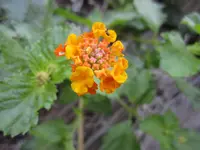
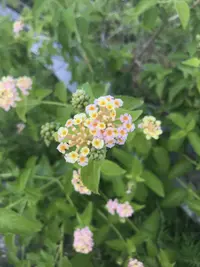
Lantana horrida is a woody shrub in the verbena family, valued for its clusters of small, brightly colored flowers and strong scent. It typically forms a dense, branching mound with rough leaves. Native to parts of Mexico and Central America, it often grows in sunny, dry, and disturbed sites such as roadsides and open scrub. The plant tolerates heat, drought, and poor soils, which can make it relatively resilient in low-maintenance landscapes. However, it can spread aggressively in suitable climates and may need control. Understanding basic sun, drainage, and pruning needs helps gardeners care for Lantana horrida successfully.

Care Difficulty
Easy Care

Light Preference
Full Sun

Water Requirements
Low Water

Temperature Preference
Tropical / Frost Sensitive

Hardiness Zone
8–11

Soil Texture
Sandy, Loamy, Rocky

Soil pH
Acidic (5.5–6.5), Slightly acidic (6.5–7.0)

Soil Drainage
Well-drained

Fertilization
Minimal (feed rarely)
Scan your plant to receive care tips personalized for your specific plant
Available on iOS and Android
This sun-loving shrub performs best with strong, direct light in most climates.
This drought-tolerant species prefers thorough, infrequent watering once established.
This warm-climate shrub grows best in consistently mild to hot conditions without frost exposure.
This species handles dry conditions, so humidity is rarely a concern indoors or outdoors.
This species prefers lean, fast-draining soil that mimics its native dry habitats.
This species is suitable for container growing in sunny outdoor locations.
Nutrient-poor soils still support Lantana horrida, but light feeding improves flowering in containers or lean ground.
Thoughtful pruning keeps Lantana horrida compact, flowering well, and free of dead wood.
Most gardeners grow Lantana horrida in the ground, so transplanting is more common than container repotting.
Lantana horrida is commonly propagated by semi-woody stem cuttings and sometimes from seed.
In mild climates, Lantana horrida needs minimal winter care, but colder regions require extra attention.

Plant Health Check
Not sure what's wrong with your plant? Check your plant's health inside the app.
Leaves of this species contain pungent terpenoids that make the plant strongly aromatic and unpalatable to most grazing livestock, which helps it persist in overgrazed rangelands in Mexico and the southwestern US.
Lantana horrida is naturally associated with dry thorn scrub and open oak or pine woodland edges, showing strong adaptation to high light, rocky soils, and seasonal drought in its native range from Mexico into parts of Texas.
Its small tubular flowers provide nectar for native butterflies, moths, and bees, and the dark berries are eaten and dispersed by birds, which has contributed to growing Lantana horrida beyond its original distribution in some areas.

Historical herbarium records and field observations show that Lantana horrida represents one of the earlier described New World lantanas, and its name has been applied inconsistently in older literature, leading to long-standing taxonomic confusion with several closely related Mexican Lantana species.
All parts of this species are toxic if eaten, especially the unripe berries. Ingestion can cause vomiting, diarrhea, abdominal pain, and, in severe cases, liver damage. Keep pets and children from chewing leaves or fruit.
Keep your plants happy and healthy with plant identification, disease detection, and easy care guidance.