Contain Spreading Rhizomes
Install a 20–30 cm deep root barrier or grow the plant in a buried container to limit its creeping rhizomes and keep it from invading nearby beds or natural areas.

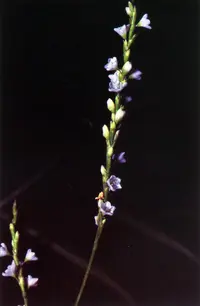
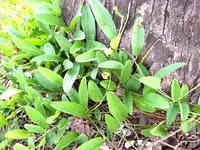
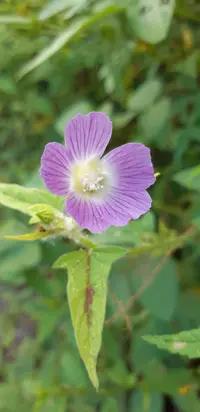
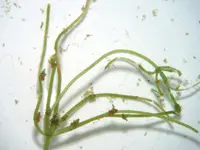
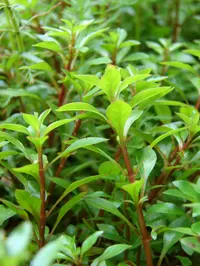
Dotted knotweed, Persicaria punctata, is a moisture-loving perennial herb often found along streams, ditches, and wetlands. It naturally occurs across much of North America. The plant has slender, upright stems with narrow leaves and small, dotted flower clusters that give it a fine, airy appearance. It can form loose colonies where conditions stay consistently damp. Growth is usually vigorous in wet, open sites, so it is relatively easy to maintain in suitable conditions but may spread if not monitored. It prefers full sun to light shade and consistently moist, rich soil. Gardeners who care for dotted knotweed should consider its spreading habit and moisture needs when placing it in a landscape.

Care Difficulty
Easy Care

Light Preference
Full Sun

Water Requirements
Aquatic

Temperature Preference
Cold Hardy

Hardiness Zone
4–9

Soil Texture
Loamy, Silty, Organic-rich

Soil pH
Acidic (5.5–6.5), Slightly acidic (6.5–7.0)

Soil Drainage
Waterlogged tolerant

Fertilization
Minimal (feed rarely)
Scan your plant to receive care tips personalized for your specific plant
Available on iOS and Android
This wetland perennial prefers consistent light but avoids harsh, drying exposure.
This species naturally grows in wet places and prefers soil that never fully dries out.
This species is adapted to temperate climates with cool to warm summers and cold winters.
This species prefers consistently moist air but usually adapts to typical outdoor humidity in temperate regions.
Persicaria punctata thrives in consistently moist, organic-rich soil that does not dry out fully.
This species can be grown in containers if moisture-retentive conditions are maintained.
Persicaria punctata grows well in average, moist soil and benefits from light feeding during the main growing season.
Persicaria punctata responds well to moderate pruning that manages size and tidies appearance.
This species is more often transplanted in the garden than grown long term in containers.
Persicaria punctata is commonly propagated by division, stem cuttings, or seed in garden settings.
This is a cold-hardy perennial that usually needs minimal winter care in most temperate climates.

Plant Health Check
Not sure what's wrong with your plant? Check your plant's health inside the app.
This species naturally grows in both shallow water and saturated soil, forming emergent stands along ponds, ditches, and marsh edges. Its flexible stems and rooting nodes allow it to spread horizontally over wet substrates and tolerate periodic flooding.
The plant’s common name dotted smartweed comes from the tiny dark glands scattered on its leaf undersides and flower parts. These glands are visible as specks and are one of the key characters botanists use to separate it from closely related smartweeds.
Its small, numerous seeds are eaten by ducks and other waterfowl in wetlands across North America. Stands of this species can provide important late-season food as other herbaceous plants begin to die back.

In North American wetlands, this species often acts as a pioneer plant on freshly exposed mud or disturbed shorelines, stabilizing the soil surface and creating microhabitats that help other wetland plants establish over time.
This species spreads by both seed and creeping rhizomes, especially in consistently moist ground. In suitable conditions it can form dense patches, so gardeners often control it with edging, regular thinning, or planting in contained areas.
Keep your plants happy and healthy with plant identification, disease detection, and easy care guidance.