Norfolk Island hibiscus Care (Lagunaria patersonia)

Also known as: Cow Itch Tree
Norfolk Island hibiscus

About Norfolk Island hibiscus

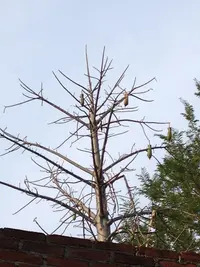
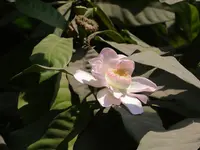
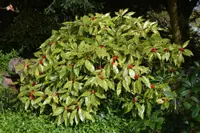
Norfolk Island hibiscus, Lagunaria patersonia, is an evergreen tree grown for its hibiscus-like pink to mauve flowers and dense, grey-green foliage. It often develops a neat, conical crown and can form a strong visual focus in mild coastal gardens.

This species comes from Norfolk Island and parts of eastern Australia, where it grows in warm, maritime climates. It is generally hardy and drought tolerant once established, but young plants dislike waterlogged soil.

The tree copes well with poor, sandy soils and salty winds, which makes it popular in seaside plantings. Understanding how to care for Norfolk Island hibiscus mainly involves providing good light, drainage, and enough space for its mature size.

Main Plant Requirements

Care Difficulty

Moderate Care

Light Preference

Full Sun

Water Requirements

Low Water

Temperature Preference

Warm Climate

Hardiness Zone

9–11

Soil Texture

Sandy, Loamy

Soil pH

Slightly acidic (6.5–7.0), Slightly alkaline (7.0–7.5)

Soil Drainage

Well-drained

Fertilization

Minimal (feed rarely)

Get Personalized Care Plan

Scan your plant to receive care tips personalized for your specific plant

Available on iOS and Android

How to Care for the Norfolk Island hibiscus

This coastal tree prefers bright, open conditions that mimic its native habitat.

  • Provide 6–8 hours of direct sun daily; full sun is ideal, especially in cooler coastal or mild climates.
  • In hotter inland areas, give Norfolk Island hibiscus morning sun with light afternoon shade to reduce leaf scorch and flower fade.
  • Young trees tolerate light or dappled shade, but prolonged shade causes sparse flowering, lanky growth, and reduced overall vigor.

This species is drought-tolerant once established but still benefits from thoughtful watering.

  • Allow the top 5–8 cm of soil to dry between deep waterings, aiming for thorough root-zone soaking rather than frequent light watering.
  • In the first 1–2 growing seasons, water when leaves begin to lose some gloss or slightly droop; reduce frequency once Lagunaria patersonia is well rooted.
  • Avoid poorly drained sites; persistent wet soil, sour smell, yellowing leaves, and twig dieback indicate overwatering or waterlogged conditions.

This warm-temperate tree prefers mild, frost-free climates for reliable growth and flowering.

  • Ideal growing temperatures are 65–80°F (18–27°C), with strongest growth during warm, bright seasons.
  • It tolerates short drops to about 28–30°F (-2 to -1°C), but hard frost below this can damage young shoots and flower buds.
  • In areas with hot summers above 95°F (35°C), growth usually remains stable if roots are mulched and soil does not dry out completely.

This coastal tree handles a wide humidity range and rarely needs special humidity care indoors or outdoors.

  • Aim for 30–60% humidity; typical indoor and outdoor levels in most homes and gardens are acceptable.
  • Dry air is generally tolerated, but prolonged hot, very dry wind can crisp leaf edges and increase leaf drop.
  • If foliage shows edge browning in heated rooms, group plants, place on a pebble tray with water below the pot base, or move away from hot air vents.

This species prefers freely draining, slightly sandy soil that does not stay wet after rain or watering.

  • Use a mix of roughly 50–60% sandy or loamy garden soil, 20–30% coarse sand, and 10–20% compost to balance drainage and nutrients.
  • Ensure strong drainage; soil should feel loose, with water soaking in quickly and no puddling or lingering surface gloss.
  • Aim for slightly acidic to neutral pH, around 6.0–7.5, which suits Lagunaria patersonia and keeps most nutrients available.
  • Improve aeration by blending in coarse materials such as perlite or fine gravel and avoid heavy clay or peat-dominant mixes that compact and hold excess water.

This species can grow in large containers when given stable, well-drained, outdoor conditions.

  • Choose a deep, heavy pot that resists tipping, as the plant becomes tall and develops a relatively top-heavy canopy.
  • Select thick-walled terracotta or concrete if outdoor sun and wind are strong, as these materials add stability and moderate root temperature swings.
  • Elevate the pot slightly on feet or spacers so drainage holes stay clear and excess water exits quickly after rain or irrigation.

Lagunaria patersonia grows steadily in most garden soils but responds well to light, structured feeding in containers or poor ground.

  • Use a balanced slow-release fertilizer (around 10-10-10) or well-rotted compost at the start of spring for Norfolk Island hibiscus.
  • In containers, apply a diluted liquid balanced NPK feed at 1/2 strength every 4–6 weeks during the growing season.
  • Avoid feeding in late fall and winter, when growth slows, to prevent soft, frost-prone shoots.
  • Water before and after feeding to limit root burn and help nutrients move into the root zone.

Lagunaria patersonia benefits from modest structural pruning to keep a strong framework and safe size.

  • Carry out main pruning in late winter or very early spring before active growth begins.
  • Remove dead, diseased, crossing, or storm-damaged branches with clean bypass pruners or a sharp pruning saw.
  • Shorten or thin crowded interior growth to improve light penetration and air circulation, which supports healthy foliage and flowering.
  • Light shaping cuts on young plants guide a single trunk or balanced multi-stem form without heavy cutting back.

This species is usually grown as a landscape tree, so focus on correct planting and occasional transplanting of young container-grown specimens.

  • Transplant in late winter to early spring, before strong new growth, to reduce stress and encourage quick root re-establishment.
  • Look for roots circling the pot, water running straight through, or slowed growth as signs a young plant has outgrown its container.
  • Shift to a container 1–2 sizes larger or into the ground, loosening circling roots and setting the root flare at soil level.
  • Water deeply after planting, apply a 5–8 cm mulch away from the trunk, and keep soil evenly moist until new growth is stable.

Lagunaria patersonia is commonly propagated from both seeds and semi-hardwood cuttings when specific conditions are met.

  • Collect ripe seed pods in late summer to fall, extract seeds, and sow in a free-draining mix kept around 70–75°F.
  • Scarify or lightly nick the seed coat, then soak seeds for several hours to improve and speed up germination.
  • Take semi-hardwood cuttings in late summer, dip the base in rooting hormone, and insert into a porous, moist medium.
  • Provide bright, indirect light and high humidity for cuttings, using a propagator lid or plastic cover with ventilation holes.

This coastal tree is only moderately frost tolerant and benefits from basic winter protection outside mild climates.

  • In USDA zones roughly 9–11, established plants usually overwinter outdoors with minimal intervention.
  • In cooler areas, mulch the root zone with 5–8 cm of organic material, keeping it slightly away from the trunk.
  • For young or container plants, move pots into a bright, frost-free space or against a sheltered, south-facing wall.

Care Tips

Wind-smart staking

Install sturdy stakes and soft ties on young plants in windy sites to prevent trunk wind-rock, which tears new roots and slows establishment.

Salt spray tolerance

In coastal gardens, allow moderate exposure to sea breeze but hose foliage with fresh water after storms to reduce salt buildup and leaf burn.

Root zone mulching

Maintain a 5–8 cm layer of coarse organic mulch from 10–15 cm away from the trunk out to the drip line to keep surface roots cool and reduce soil compaction.

Seed pod management

Remove and dispose of old seed pods with gloves and long sleeves, as the irritating hairs can lodge in skin and clothing, and this also limits volunteer seedlings.

Formative canopy training

In the first 2–3 years, selectively shorten or remove competing leaders and inward-growing shoots to build a single strong trunk and an open, storm-resistant crown when growing Norfolk Island hibiscus.

Common Pests and Diseases

Psyllids

This pest often colonizes young shoots and undersides of leaves, sucking sap and causing distortion, yellowing, and honeydew that can lead to sooty mold. Symptoms include cupped or twisted foliage and sticky residue on leaves and nearby surfaces.

Solution

Prune and dispose of heavily infested shoots, then hose down the plant thoroughly to remove nymphs and honeydew. For ongoing Lagunaria patersonia care, use insecticidal soap or horticultural oil directed at the undersides of leaves at 7–10 day intervals, and reduce excess nitrogen fertilization that encourages soft, susceptible growth.

Scale insects

These insects attach to stems and leaves as small, dome-shaped bumps and feed on sap, leading to leaf yellowing, drop, and sticky honeydew that supports black sooty mold. This pest can weaken branches over time if left unmanaged.

Solution

Physically remove small numbers by gently scraping or wiping with a cloth dipped in diluted alcohol, then target remaining scale with horticultural oil, ensuring thorough coverage of stems and leaf undersides. Improve plant vigor with correct watering and full-sun exposure, and inspect regularly to catch new infestations early.

Sooty mold

This disease appears as a black, soot-like coating on leaves, stems, and pods, growing on the sugary honeydew from psyllids, scale, or other sap suckers. Symptoms include dull, blackened foliage that may interfere with photosynthesis and overall plant vigor.

Solution

Control the underlying sap-sucking insects first, then wash affected foliage with a strong but gentle stream of water to remove mold deposits. Thin crowded branches to increase light and airflow, which helps foliage dry quickly and reduces mold buildup.

Leaf spot

This disease causes small tan to brown spots on leaves, sometimes with darker margins, which can merge into larger blotches and lead to premature leaf drop under humid or wet conditions. Symptoms include a generally thinned canopy and blemished foliage.

Solution

Remove and dispose of affected leaves from the plant and ground to reduce spore spread, and avoid overhead watering that keeps foliage wet for long periods. Improve air circulation by selective pruning, and if the problem persists in damp climates, apply a broad-spectrum fungicide labeled for ornamental trees according to label directions.

Leaf miner

This pest lives inside the leaf tissue and creates winding, pale trails or blotches that can make foliage look unsightly and, in heavy infestations, reduce photosynthesis. Symptoms include distorted new leaves with visible tunnels when held up to the light.

Solution

Prune and discard leaves that show fresh mines to remove larvae before they mature, and encourage beneficial predators by avoiding broad-spectrum insecticides. Where damage is persistent, use a systemic insecticide specifically labeled for leaf miners on ornamental trees, applying in early spring to protect new growth.

Interesting Facts

Native island habitat

This species is naturally found on Norfolk Island and nearby Pacific islands, where it grows in coastal forests exposed to salt-laden winds and sandy, often poor soils.

Prickly seed capsules

The woody seed pods contain stiff, sharp hairs that can irritate skin and respiratory passages, which is why the tree is sometimes called itchy bomb or cow itch tree.

Hibiscus-like flowers

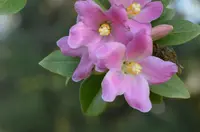
Although not a true hibiscus, it belongs to the mallow family (Malvaceae) and produces pale pink to mauve, hibiscus-like flowers that attract bees and other pollinators in mild climates.

Botan icon

Did you know?

This tree has been widely planted as a tough coastal ornamental in Australia and other mild coastal regions, but in some areas it is considered an environmental weed because it self-seeds readily and can spread from gardens into nearby natural vegetation.

FAQs about Norfolk Island hibiscus

Poor flowering usually comes from insufficient light, heavy pruning at the wrong time, or nutrient imbalance with too much nitrogen. Stress from cold, drought, or root disturbance can also reduce bud formation and delay or prevent blooms.

Grow Healthy Plants with Botan Care

Keep your plants happy and healthy with plant identification, disease detection, and easy care guidance.

Botan plant care app — identify plants on mobile

Explore More Plants