Gustavia augusta Care

Gustavia augusta

About Gustavia augusta

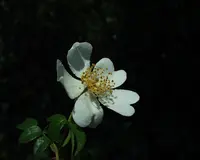
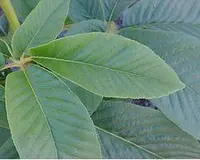
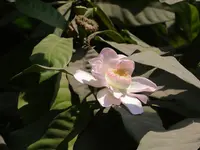
Gustavia augusta is a small tropical tree known for its large glossy leaves and striking white or pale pink bowl-shaped flowers with prominent yellow stamens. It usually forms a compact, rounded crown and flowers along the main branches and trunk, giving it a distinctive appearance.

This species is native to lowland rainforests of northern South America, where it grows in warm, humid, shaded to partly shaded environments. It can be slow to establish and is sensitive to cold and drought, which makes it more challenging outside true tropical climates. For those who want to care for Gustavia augusta successfully, consistent warmth, moisture, and a well-drained, organic-rich soil are key starting points.

Main Plant Requirements

Care Difficulty

Hard Care

Light Preference

Partial Shade

Water Requirements

Keep Soil Moist

Temperature Preference

Tropical / Frost Sensitive

Hardiness Zone

11–12

Soil Texture

Loamy, Organic-rich

Soil pH

Acidic (5.5–6.5)

Soil Drainage

Moist but well-drained

Fertilization

Light (every 4–6 weeks)

Get Personalized Care Plan

Scan your plant to receive care tips personalized for your specific plant

Available on iOS and Android

How to Care for the Gustavia augusta

This tropical understory tree prefers bright, gentle light that mimics filtered forest sun.

  • Provide 3–5 hours of soft morning sun with bright, dappled or filtered light the rest of the day to reduce leaf scorch risk for Gustavia augusta.
  • Allow light afternoon shade, especially in hot climates, since harsh sun from midday to late afternoon can bleach foliage and burn leaf edges.
  • In winter, when daylight is shorter or weaker, ensure it still receives bright indirect light for most of the day to maintain flowering potential and compact growth.

This species prefers evenly moist, but not waterlogged, soil throughout the growing season.

  • Water when the top 3–5 cm of soil feel just barely dry, then soak the root zone thoroughly so moisture reaches deeper layers without leaving standing water.
  • Use rich, well-drained soil so excess water can escape; persistent puddling, sour smell, or soft, yellowing leaves signal overwatering and poor aeration.
  • In cooler months, reduce frequency as growth slows, watching for drooping, dry edges, or curling leaves as indicators that the plant stayed dry too long.

This tree thrives in warm, stable, frost-free conditions similar to lowland tropical climates.

  • Aim for 70–85°F (21–29°C) for best growth, as this range supports active foliage development and flowering.
  • Avoid temperatures below 55°F (13°C); short exposure near this level slows growth, while frost at 32°F (0°C) or below can kill young shoots and flower buds.
  • In hot spells above 90°F (32°C), provide light shade and consistent soil moisture to limit heat stress, leaf scorch, and premature bud drop.

This tropical understory tree prefers high, stable humidity to maintain healthy foliage and flowering.

  • Aim for 60–80% humidity, as prolonged levels below 50% often lead to leaf-edge browning and reduced vigor.
  • In centrally heated or air-conditioned rooms, expect increased leaf drop and crispy tips if humidity is not supplemented.
  • Use grouped plants, a room humidifier, or a pebble tray under the container to raise local humidity around Gustavia augusta.

This species needs a deep, moisture-retentive yet well-drained substrate similar to rich tropical forest soil.

  • Use a loamy, organic-rich mix, for example 50% composted bark or leaf mold, 30% peat-free compost, and 20% coarse perlite or pumice.
  • Ensure rapid drainage by including coarse particles; water should drain within a few seconds without pooling on the surface.
  • Keep pH slightly acidic to neutral, around 6.0–7.0, avoiding strongly alkaline mixes that can restrict nutrient uptake.
  • Avoid heavy clay or compacted soils; incorporate coarse sand or fine bark to improve aeration and prevent waterlogging around Gustavia augusta roots.

This species can be grown in large containers when root space and moisture balance are carefully managed.

  • Choose a deep, heavy container that resists tipping as the tree develops a woody trunk and spreading canopy.
  • Select thick-walled clay or ceramic pots when extra evaporation is helpful, or plastic when slower drying is needed in hot, exposed locations.
  • Elevate the pot slightly on feet or bricks so drainage holes stay clear and excess water can exit quickly after irrigation or heavy rain.

Nutrient-rich, evenly moist soil supports healthy growth and flowering for Gustavia augusta.

  • Use a balanced liquid or water-soluble fertilizer (around 10-10-10) at half strength during the warm growing season every 4–6 weeks.
  • Alternatively, apply a thin layer of well-rotted compost over the root zone in spring as a slow-release nutrient source.
  • Stop feeding in late fall and through winter dormancy to avoid soft, frost-sensitive growth.
  • Always water before and after fertilizing to reduce root burn risk and improve nutrient uptake.

Pruning is light and mainly corrective for Gustavia augusta, focusing on structure and plant health.

  • Carry out pruning at the end of the dry or cool season, just before active growth resumes.
  • Remove dead, diseased, or storm-damaged wood first, cutting back to healthy tissue with clean, sharp bypass pruners.
  • Thin crossing or crowded interior branches to improve airflow and light penetration without drastically altering the natural form.
  • Limit height or spread by shortening long shoots to an outward-facing bud, keeping cuts small to reduce stress.

This species is usually grown in the ground, so focus on careful transplanting rather than frequent repotting.

  • Transplant young plants at the start of the warm, rainy season, when root growth is most active and recovery is fastest.
  • Look for signs such as circling roots in containers, slow growth, or the plant drying out quickly as indicators it has outgrown its pot.
  • Move up only 1–2 pot sizes or into a well-prepared, deep garden site with rich, free-draining soil and good organic matter.
  • Minimize root disturbance, keep the root ball intact, water thoroughly after planting, and provide shade and consistent moisture for several weeks.

Propagation of Gustavia augusta is possible but typically slow and best suited to patient growers or collections.

  • Use fresh seeds, as viability drops quickly; sow in a warm environment around 75–85°F with consistently moist, not waterlogged, substrate.
  • Sow seeds in a deep container with loose, organic-rich medium to allow the taproot to develop without restriction.
  • Maintain high humidity and bright, filtered light; germination may take several weeks to months, so avoid disturbing the pot.
  • Vegetative methods like cuttings are unreliable, so most plants are raised from seed under controlled nursery conditions.

This tropical tree is frost-sensitive and needs thoughtful winter management in cooler climates.

  • In USDA zones below 11, grow in a container and move indoors or into a heated greenhouse before temperatures fall below 50°F.
  • Outdoors in marginal climates, apply a 5–10 cm mulch layer around the root zone, keeping it slightly away from the trunk.
  • Reduce watering in cool conditions, keeping soil barely moist but never fully dry, to limit stress and root rot risk.
  • Provide bright, indirect indoor light and stable temperatures above 60°F to maintain foliage quality through winter.

Care Tips

Canopy shaping

Select 3–5 strong branches to form a permanent framework and lightly thin crowded interior shoots once a year so light can reach inner leaves and flowers.

Root-zone mulching

Apply a 5–8 cm layer of fine bark or leaf mold over the root zone, keeping it 3–5 cm away from the trunk, to keep roots cool and stable during hot or dry periods.

Sheltered siting

Plant or place the tree where buildings or taller plants break strong winds, which helps protect its large leaves and heavy flowers from tearing or snapping.

Understory companions

Grow low, shade-tolerant groundcovers around the drip line to shade the soil surface, reduce splash that spreads soil-borne pathogens, and stabilize moisture around the root system.

Seasonal inspection

Inspect young stems, flower buds, and leaf undersides every 2–3 weeks during warm, wet seasons so scale insects, mealybugs, or fungal spots can be treated early when caring for Gustavia augusta.

Common Pests and Diseases

Cercospora leaf spot

This disease causes small, dark, angular or round spots on older leaves that can expand, coalesce, and lead to premature leaf drop, especially in warm, humid conditions.

Solution

Remove and discard heavily spotted leaves, avoid overhead watering, and increase airflow around the canopy; in persistently humid climates, apply a copper-based fungicide or a labeled chlorothalonil product as a protective spray according to Gustavia augusta care instructions and local regulations.

Anthracnose

This disease produces irregular brown lesions along leaf margins and veins, sometimes leading to blighting of young foliage and distortion of new growth in moist, shaded sites.

Solution

Prune out and destroy affected leaves and twigs, disinfect pruning tools, and reduce shade and leaf wetness duration; in severe or recurring cases, use a systemic fungicide labeled for anthracnose on ornamental trees, following label directions carefully.

Scale insects

These insects appear as small, fixed bumps on stems and leaf midribs, sucking sap and causing yellowing, leaf drop, and sooty mold growth on the honeydew they excrete.

Solution

Physically remove light infestations by gently scraping or wiping with a cloth dipped in diluted alcohol, encourage natural predators outdoors, and for heavier infestations use a horticultural oil or insecticidal soap spray, ensuring thorough coverage of stems and leaf undersides.

Mealybugs

These insects form cottony white clusters in leaf axils, along young stems, and on flower stalks, leading to stunted growth, leaf yellowing, and sticky honeydew that attracts sooty mold.

Solution

Isolate affected plants, dab visible clusters with cotton swabs dipped in 70% isopropyl alcohol, and follow up with repeated applications of insecticidal soap or light horticultural oil, focusing on hidden crevices and the undersides of leaves.

Pink disease

This disease, caused by the fungus Erythricium salmonicolor, leads to dieback of twigs and branches, with white to pink fungal crusts forming on infected bark in persistently humid, shaded environments.

Solution

Prune and burn or discard infected branches well below visible symptoms, avoid overhead irrigation, improve light and airflow within the canopy, and in high-pressure areas consider preventive fungicide applications on pruning cuts and adjacent bark after sanitation pruning.

Interesting Facts

Amazon understory specialist

This species naturally grows in the shaded understory of lowland Amazonian rainforests, forming small trees that tolerate low light but depend on consistently warm, humid conditions and rich, moist soils.

Bat-associated flowers

Its large, pale pink to white flowers open in the evening or at night, produce a strong sweet fragrance, and are visited by nocturnal animals such as bats and beetles that help transfer pollen.

Cauliflorous blooming habit

The tree often bears flowers and fruits directly on older branches and the main trunk (a trait called cauliflory), which makes nectar and fruits accessible to ground-dwelling and climbing animals in the forest.

Botan icon

Did you know?

In parts of its native range in northern South America, the tree is locally known as the heaven lotus or reina del bosque and is sometimes planted near houses or paths for its unusually large, lotus-like blossoms, which can exceed 10–12 cm across and create a striking display when several open on the trunk at once.

FAQs about Gustavia augusta

Lack of flowering usually comes from insufficient maturity, low light, or irregular watering. This species often needs several years to bloom. Stable warmth, consistent moisture, and avoiding root disturbance improve flower bud formation over time.

Grow Healthy Plants with Botan Care

Keep your plants happy and healthy with plant identification, disease detection, and easy care guidance.

Botan plant care app — identify plants on mobile

Explore More Plants