Seed collection timing
Collect seed in late summer as soon as the husks yellow and begin to split, then sow fresh within a few weeks because the large seeds lose viability quickly if stored dry for long periods.

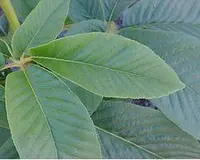
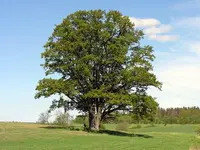
California buckeye, Aesculus californica, is a deciduous large shrub or small tree native to California and parts of southwestern Oregon. It typically grows with a rounded crown and multiple trunks, with gray bark and distinctive palmate leaves made of several leaflets.
In spring, it produces showy upright clusters of white to pale pink flowers that attract pollinators, followed by large, smooth seed capsules containing shiny brown nuts. The tree often drops its leaves early and enters summer dormancy in hot, dry climates, which is normal and not a sign of poor health.
It thrives in Mediterranean-type conditions with sun and dry summers, and can tolerate poor, rocky soils. Gardeners who learn how to care for California buckeye usually find it a durable, low-input landscape tree in suitable regions.

Care Difficulty
Moderate Care

Light Preference
Full Sun

Water Requirements
Low Water

Temperature Preference
Cold Hardy

Hardiness Zone
7–9

Soil Texture
Sandy, Loamy, Rocky

Soil pH
Slightly acidic (6.5–7.0), Slightly alkaline (7.0–7.5)

Soil Drainage
Well-drained

Fertilization
Minimal (feed rarely)
Scan your plant to receive care tips personalized for your specific plant
Available on iOS and Android
This drought-adapted tree prefers bright, open sites with strong sun exposure in its native range.
This species is adapted to dry-summer climates and prefers infrequent but deep watering once established.
This deciduous tree is adapted to regions with mild, wet winters and hot, dry summers.
This dry-adapted tree has no special humidity requirements and grows well in 20–60% humidity.
This species prefers well-drained, moderately fertile soil that does not stay wet for long.
This species is only marginally suitable for container growing and usually stays healthier planted in the ground.
Mature Aesculus californica in the ground usually needs minimal fertilization if soil is reasonably fertile.
Aesculus californica benefits from light, purposeful pruning to maintain structure and safety.
California buckeye is best transplanted young, as older trees develop deep taproots that resent disturbance.
Aesculus californica is mainly propagated from fresh seeds rather than cuttings.
Established Aesculus californica trees are cold hardy in typical US climates where they are grown and need little winter care.

Plant Health Check
Not sure what's wrong with your plant? Check your plant's health inside the app.
California buckeye drops its leaves as early as midsummer in hot, dry years, entering a seasonal dormancy that reduces water loss and helps it survive Mediterranean-climate droughts.
The tree’s pale pink to white flower spikes release a strong fragrance especially in the evening, attracting night-active moths along with daytime pollinators like native bees.
The large, shiny seeds and other parts of the plant contain toxic compounds called saponins, which Indigenous peoples historically leached and used carefully as fish poison and, after extensive processing, as an emergency food source.

California buckeye is one of the few tree species in western North America whose flowers are known to be potentially harmful to honey bees, because its pollen and nectar can be toxic to them while remaining well tolerated by many native insect pollinators.
Insufficient light, heavy summer watering, or young age often reduce flower production. This species flowers best with full sun, dry summer conditions, and minimal pruning. Seed-grown trees may take several years to begin blooming reliably.
Keep your plants happy and healthy with plant identification, disease detection, and easy care guidance.