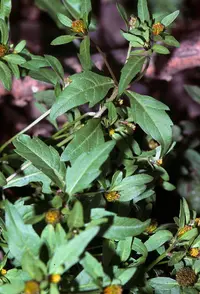
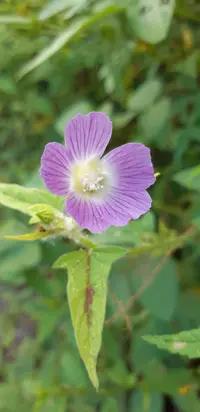
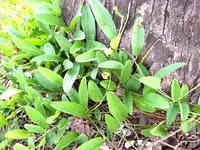
low smartweed Care (Persicaria longiseta)

Also known as: Oriental lady's thumb, bristly lady's thumb, Asiatic smartweed, long-bristled smartweed, Asiatic waterpepper, bristled knotweed, bunchy knotweed, tufted knotweed
low smartweed

About low smartweed

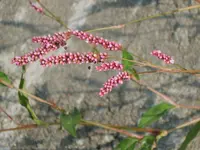
Low smartweed (Persicaria longiseta) is a low, spreading annual in the knotweed family, often forming dense patches in lawns, paths, and disturbed soil. It has narrow green leaves, small pink flower spikes, and a creeping, mat-forming habit that can quickly cover open ground.

This species is native to East Asia but is now common in many temperate parts of North America, often behaving as a volunteer weed. It thrives in moist, compacted, or poorly maintained turf, which makes care for low smartweed more about control and monitoring than encouragement. It prefers sun to light shade and does well in a wide range of soil types, especially where competition is weak.

Main Plant Requirements

Care Difficulty

Easy Care

Light Preference

Full Sun

Water Requirements

Regular Water

Temperature Preference

Cold Hardy

Hardiness Zone

4–9

Soil Texture

Loamy, Clay, Organic-rich

Soil pH

Acidic (5.5–6.5), Slightly acidic (6.5–7.0)

Soil Drainage

Waterlogged tolerant

Fertilization

Minimal (feed rarely)

Get Personalized Care Plan

Scan your plant to receive care tips personalized for your specific plant

Available on iOS and Android

How to Care for the low smartweed

Persicaria longiseta prefers moist, open sites with moderate sun exposure for best growth.

  • Provide 4–6 hours of direct morning sun with light shade or filtered light in the afternoon to prevent leaf scorch.
  • Plant in a spot that receives bright, open sky or dappled shade; low smartweed tolerates partial shade but may flower less with under 3–4 hours of sun.
  • In hot summers, protect from intense afternoon sun, especially on dry soils, and avoid deep shade, which leads to weak, elongated growth.

Persicaria longiseta thrives in consistently moist soil without prolonged waterlogging.

  • Water whenever the top 2–3 cm of soil feels just starting to dry, aiming to keep the root zone evenly damp, especially in active growth.
  • Increase moisture in hot, dry weather and during flowering; in cooler seasons allow the surface to dry slightly more between waterings.
  • Watch for wilting, crisp leaf edges, or slow growth as signs of underwatering, and yellowing, limp leaves or foul-smelling, soggy soil as signs of overwatering or poor drainage.

This species grows best in mild to warm temperate conditions and tolerates a fair range of outdoor temperatures.

  • Optimal growth occurs around 65–80°F (18–27°C), especially during the main growing season with adequate soil moisture.
  • Plants tolerate brief drops to about 25–30°F (-4– -1°C), but repeated hard frosts will kill top growth and can limit survival in colder regions.
  • In hot periods above 90°F (32°C), growth slows; provide ample moisture and some afternoon shade to reduce heat stress and leaf scorch risk.

Humidity is rarely critical for this adaptable species, which tolerates a wide range of conditions.

Persicaria longiseta prefers consistently moist, fine-textured soil with high organic content.

  • Use a loamy mix rich in compost or leaf mold that retains moisture yet does not stay waterlogged.
  • Ensure moderate drainage; soil should feel damp but excess water should drain within a few minutes after heavy watering.
  • Aim for slightly acidic to neutral pH, around 6.0–7.0, which supports balanced nutrient uptake.
  • Avoid compacted, very sandy, or heavily rocky substrates that dry out too fast or restrict root spread.

This species is suitable for container growing in outdoor settings.

  • Choose a wide, shallow container so creeping stems can spread while roots stay in the upper moist layer.
  • Use a heavier pot material, such as ceramic, to keep the container stable as the mat-forming foliage expands outward.
  • Place the container in a tray that can hold a thin film of water briefly to keep the substrate evenly moist without full submersion.

Persicaria longiseta grows vigorously in average soil and usually needs only light feeding.

  • Apply a thin layer of compost around plants once in spring to support steady growth.
  • If container grown, use a balanced liquid fertilizer (such as 10-10-10) at 1/2 strength every 4–6 weeks in the growing season.
  • Avoid high-nitrogen products that can encourage excessive foliage and reduce flowering.
  • Stop feeding low smartweed in late summer so growth can harden before cold weather.

Pruning Persicaria longiseta is straightforward and mainly used to control spread and keep plants tidy.

  • In late spring or early summer, trim back leggy or sprawling stems to shape the clump and limit spread.
  • Remove dead, damaged, or crowded stems at the base using clean, sharp hand pruners.
  • Shear or pinch spent flower spikes to reduce self-seeding and encourage a denser habit.
  • Cut back old stems close to ground level at the end of the season to refresh growth next year.

This species is most often grown in the ground, so focus on thoughtful transplanting rather than frequent repotting.

  • Transplant in early spring or early fall, when temperatures are mild and soil stays evenly moist.
  • Move clumps if growth declines, the patch becomes overcrowded, or plants spread into unwanted areas.
  • Lift the root mass with a spade, keeping as much soil on the roots as possible to limit shock.
  • Replant at the same depth, water thoroughly, and keep soil consistently moist for 1–2 weeks while roots re-establish.

Persicaria longiseta is commonly multiplied by seed and by division of established clumps.

  • Allow some flower spikes to mature and drop seed in late summer for natural self-sowing in suitable sites.
  • For controlled seed propagation, sow fresh seed on the soil surface in fall or early spring and keep evenly moist.
  • Divide vigorous clumps in early spring, slicing the root mass into sections with several shoots each.
  • Replant divisions promptly, water well, and provide light shade and consistent moisture until new growth strengthens.

In most temperate climates, Persicaria longiseta is cold hardy and needs minimal winter care.

  • After hard frost, stems typically die back; cut them to ground level to keep beds tidy.
  • Apply a light mulch layer (2–5 cm) over the root zone in colder regions to moderate soil temperature.
  • Container-grown plants can be overwintered in a sheltered, unheated area where soil does not freeze solid.

Care Tips

Contain Spreading

Use edging, buried barriers, or large containers sunk into the ground to limit rhizome and seed spread, since this species can quickly colonize damp soil and outcompete nearby plants.

Timed Mowing Strategy

If grown as a groundcover, mow or shear plants just before they set seed to keep a dense, low mat while greatly reducing self-seeding and unwanted spread into lawns or beds.

Selective Patch Thinning

Once or twice per season, remove whole clumps from crowded sections to improve air movement through the patch and lower the risk of foliar diseases in humid weather.

Moisture Gradient Planting

When planning a bed, arrange plants along a slight slope or near a water source so that the wettest zones support denser stands while drier edges naturally check vigor and spread.

Seed Bank Management

For long-term Persicaria longiseta care, collect or rake up fallen seed heads at the end of the season to gradually reduce the soil seed bank and make future population control easier.

Common Pests and Diseases

Leaf spot fungi

This disease causes small, water-soaked spots on leaves that turn brown and may merge into larger irregular patches, often appearing in dense, damp stands. Symptoms include premature yellowing and shedding of older foliage in overly wet conditions.

Solution

Remove and discard heavily spotted leaves to reduce inoculum, avoid overhead watering, and thin dense patches to improve air movement and faster drying. If the plant is being intentionally grown, a copper-based or chlorothalonil fungicide labeled for ornamental or turf use can be applied according to label directions during prolonged wet weather.

Powdery mildew

This disease produces a white to gray powdery coating on upper leaf surfaces, especially in shaded, crowded areas with poor air circulation. Symptoms include distorted new growth and reduced vigor when infection is severe.

Solution

Improve sunlight exposure and airflow by cutting back surrounding vegetation and thinning crowded plants, and avoid excessive nitrogen fertilization that encourages soft, susceptible growth. In persistent cases, treat foliage with a horticultural oil or potassium bicarbonate product labeled for powdery mildew, applied in cool, calm weather to well-hydrated plants.

Aphids

These insects cluster on tender stems and leaf undersides, sucking sap and excreting sticky honeydew that can attract sooty mold. This pest can cause leaf curling, stunted growth, and distortion of young shoots, especially on nutrient-rich, moist sites.

Solution

Dislodge colonies with a firm stream of water and remove heavily infested shoot tips if practical. Where needed, introduce or conserve natural predators such as lady beetles and lacewings, or apply insecticidal soap or a light horticultural oil, making sure to thoroughly cover the undersides of leaves.

Leaf beetles

These insects chew small round or irregular holes in leaves, sometimes skeletonizing foliage when populations are high on mass stands. This pest is more common along edges of fields, roadsides, and wetlands where host diversity is high.

Solution

Hand-pick adult beetles from accessible plants and crush or drop them into soapy water, and encourage birds and beneficial insects by maintaining habitat diversity nearby. If defoliation is severe on intentionally managed patches, use a spinosad or pyrethrin product labeled for chewing insects, applied in the evening to limit impact on pollinators.

Rust

This disease appears as small yellow spots on the upper leaf surface with corresponding orange-brown pustules on the undersides, typically in humid late-summer conditions. Symptoms include gradual thinning of foliage and reduced vigor in dense, unmanaged stands.

Solution

Cut and remove heavily infected foliage to ground level at the end of the season and dispose of it off-site to reduce overwintering spores, and avoid overhead irrigation that keeps leaves wet for long periods. In situations where growing low smartweed as a deliberate groundcover, fungicides labeled for rust on ornamentals may be used preventively when conditions favor disease development.

Interesting Facts

Introduced Asian knotweed

This species is native to eastern Asia but is now established as an introduced plant in parts of North America and Europe, where it often appears along roadsides, lawns, and disturbed soils.

Sticky, barbed fruits

The tiny pink flower spikes mature into small, barbed fruits that cling to animal fur, clothing, and shoes, which helps the plant spread over long distances.

Hairy leaf texture

Leaves and stems are covered with fine hairs, especially along the sheath at the node, giving the plant a slightly rough texture that helps distinguish it from similar smartweed species.

Botan icon

Did you know?

In several US states and parts of Europe, this species is monitored or listed as a potentially invasive plant because its prolific seed production and hitchhiking fruits allow it to form dense patches that crowd out low-growing native vegetation in lawns and open habitats.

FAQs about low smartweed

This species spreads quickly by seed and creeping stems, especially in moist, disturbed soil. It often forms dense patches that outcompete small plants. Use edging, hand-pulling before seed set, and mulch barriers to limit spread in gardens.

Grow Healthy Plants with Botan Care

Keep your plants happy and healthy with plant identification, disease detection, and easy care guidance.

Botan plant care app — identify plants on mobile

Explore More Plants