

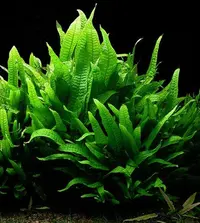

button fern (Hemionitis rotundifolia) Light Needs

button fern grows best in bright indirect or filtered light, with only brief gentle morning sun.

Light Preference

Bright Indirect Light

Hemionitis rotundifolia Light Requirements

In its natural habitat, this fern grows low to the ground where taller vegetation and uneven terrain soften the sun. Light is usually filtered, shifting, and strongest only in brief morning or late-day periods rather than open midday exposure.

Those conditions explain why cultivated plants can tolerate shade and a little mild sun, but they perform best away from harsh direct rays. Preferred light is bright indirect or filtered light.

  • Ideal exposure:

    button fern needs about 6–8 hours of bright indirect or filtered light daily, including up to 1–2 hours of gentle direct morning sun.

  • Direct sun limit:

    Full sun is too strong; brief early sun is tolerated if leaves are acclimated and not pressed against hot glass.

  • Shade tolerance:

    Moderate shade is tolerated, but growth may slow and new fronds may stay smaller.

  • Afternoon risk:

    West or unfiltered south exposure is risky unless rays are diffused before they reach the foliage.

Indoors, placement should give steady brightness without hot afternoon sun on the fronds.

NConditional
North-facing window:

Use a north window only if it is bright and unobstructed, with the plant close enough to receive clear daytime light.

EBest
East-facing window:

Place it within a few feet of an east window where gentle morning sun fades before midday.

SConditional
South-facing window:

Keep it 3–6 ft from the glass or behind a sheer curtain so direct rays are softened.

WConditional
West-facing window:

Use a west window only with filtering and distance, because afternoon sun can overheat and scorch the fronds.

Adjust the position if new growth leans toward the light or exposed fronds begin to fade.

Strong sun usually shows as surface damage first.

Bleached patches:

Pale tan areas may appear on the round fronds where direct rays hit the same spot.

Crisp exposed edges:

Edges facing a hot window may dry and crisp after unfiltered afternoon sun.

Dull leaf color:

Fronds may look faded rather than evenly green when light has been too intense.

Flattened growth:

Hemionitis rotundifolia may hold fronds lower during the brightest part of the day in excessive exposure.

Move the plant out of direct afternoon sun and place a sheer curtain between the foliage and the light. Damaged areas will not turn green again, but new growth should emerge with better color.

Low light problems develop gradually and are easiest to see in new growth.

  • Longer stems:

    New fronds may rise on longer, weaker stalks as the plant reaches toward brighter light.

  • Leaning crown:

    The crown may angle toward the nearest window instead of staying evenly rounded.

  • Smaller fronds:

    Hemionitis rotundifolia may produce smaller round leaflets when light stays too dim during active growth.

  • Open growth:

    Spacing between fronds may look wider, giving the plant a thinner outline.

Move it to brighter indirect light, making the change over several days if the new spot is much brighter. Avoid replacing weak light with direct afternoon sun.

Choose the brightest spot that stays out of harsh direct sun when ideal filtered light is unavailable. A location with steady ambient light is better than a dim corner.

Shift the pot 6–12 inches at a time after changes, and rotate it every 1–2 weeks to keep growth even.

Unfiltered afternoon sun is unsuitable because the thin fronds can scorch before adapting.

Get Personalized Care Plan

Scan your plant to receive care tips personalized for your specific plant

FAQ

The best light for button fern is bright indirect or filtered light for most of the day, with only brief, gentle morning sun if available.

Everything About button fern

More Plant Light Guides

Get the Botan App

Discover how to care for your plants with Botan.

Botan app identifying a plant with a phone camera
Top 15 Fast-Growing Trees For Your Garden

13 min read · 28 Jul 2026

Top 15 Fast-Growing Trees For Your Garden

Learn which of the 15 fastest-growing trees will suit your area. We’ll share detailed information on each: growth rate, mature spread, key tree demands, and main vulnerabilities. Read on and make the best choice possible.

Plant Recommendations
Top 15 Fast-Growing Trees For Your Garden
How Fast Does Bamboo Grow Per Day, Month, and Year

10 min read · 7 Jul 2026

How Fast Does Bamboo Grow Per Day, Month, and Year

Bamboo grows extremely fast: some species can reach 5-6 m in just 3-4 months under the right conditions. This guide explains how much bamboo can grow per day, week, and year, and what affects its growth rate.

Plant Recommendations
How Fast Does Bamboo Grow Per Day, Month, and Year
How To Revive a Dying Plant: 6 Steps To Bring A Plant Back To Life

6 min read · 1 Sept 2026

How To Revive a Dying Plant: 6 Steps To Bring A Plant Back To Life

Drooping leaves and brown tips don't always mean the end, and a weakened plant can often recover with a little help. These six simple steps will help you revive a dying plant and restore its health.

Plant Care
How To Revive a Dying Plant: 6 Steps To Bring A Plant Back To Life