Luma Care (Amomyrtus luma)

Luma

About Luma

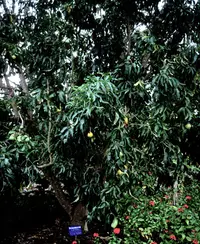
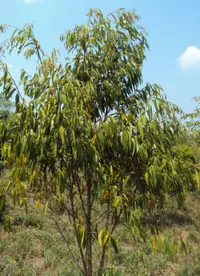
Amomyrtus luma, commonly called luma, is an evergreen shrub or small tree from the myrtle family. It forms dense, branching growth with many small, glossy leaves.

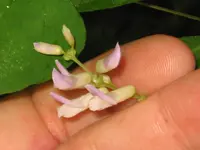
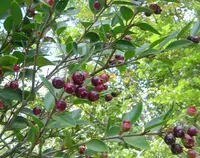
In nature it occurs in the temperate rainforests of Chile and Argentina, where conditions are cool, moist, and mild year-round. Mature plants can develop attractive, peeling bark and produce white flowers followed by dark berries.

This species is relatively slow-growing but long-lived, and it responds well to pruning, which suits it to hedges or trained specimens. It can be moderately demanding outside its native climate, so learning how to care for Luma focuses on providing steady moisture, good light, and well-drained soil.

Main Plant Requirements

Care Difficulty

Moderate Care

Light Preference

Partial Sun

Water Requirements

Moderate Water

Temperature Preference

Warm Climate

Hardiness Zone

8–10

Soil Texture

Loamy, Sandy, Organic-rich

Soil pH

Acidic (5.5–6.5), Slightly acidic (6.5–7.0)

Soil Drainage

Moist but well-drained

Fertilization

Minimal (feed rarely)

Get Personalized Care Plan

Scan your plant to receive care tips personalized for your specific plant

Available on iOS and Android

How to Care for the Luma

This evergreen myrtle prefers bright outdoor conditions with protection from harsh extremes.

  • Provide 4–6 hours of sun daily, ideally with morning sun and light afternoon shade, to support dense growth and flowering in Luma.
  • In hot climates, use partial shade or filtered light after 1–2 p.m. to prevent leaf scorch and dry, brown leaf edges.
  • In cooler or coastal areas, full sun is suitable; in shady spots, expect slower growth, lanky shoots, and reduced flowering.

This shrub prefers evenly moist, well‑drained soil and does not tolerate extremes for long.

  • Water when the top 3–5 cm of soil feels dry, allowing deeper soil to stay slightly moist but never waterlogged for Amomyrtus luma.
  • Use soil with good drainage; pooling water or sour smell indicates poor aeration and high root‑rot risk.
  • In summer or drought, check moisture 2–3 times weekly; in cool or rainy seasons, reduce watering and watch for wilting or crisp leaves as underwatering signs.

This species thrives in mild, temperate climates with cool, frost‑light winters.

  • Aim for 55–75°F (13–24°C) during active growth for steady shoot and root development.
  • Mature plants tolerate brief drops to about 15–20°F (-9 to -6°C), but young plants are more vulnerable and benefit from protection below 25°F (-4°C).
  • In hot summers above 90°F (32°C), provide mulch and some afternoon shade to reduce heat stress, especially during dry, windy periods.

This species tolerates a broad humidity range and rarely needs special humidity management indoors or outdoors.

  • Target 40–60% humidity, which most heated or air-conditioned homes and mild outdoor climates already provide.
  • Luma copes with moderately dry air but prolonged humidity below 30% can lead to browning leaf tips and slower growth.
  • If indoor air is very dry, group plants together or place the container on a pebble tray with water below pot level.

Amomyrtus luma prefers evenly moist, well-drained, fertile soil that does not stay waterlogged after heavy watering or rain.

  • Use a loamy mix with moderate organic matter, such as garden loam blended with compost and a mineral component.
  • Ensure fast drainage by adding coarse sand or fine gravel so water moves through the root zone within a few minutes.
  • Aim for slightly acidic to neutral pH around 6.0–7.0, avoiding highly alkaline mixes that can limit nutrient uptake.
  • Improve aeration in containers by combining compost with pine bark fines and a small amount of perlite, avoiding dense clay-heavy blends.

This shrub is suitable for long-term container growing in mild climates.

  • Choose a deep, heavy pot to anchor the woody top growth and reduce tipping in wind or on balconies.
  • Select containers with large, unobstructed drainage holes so excess irrigation or rainwater leaves the root zone quickly.
  • Use a slightly wider-than-rootball container to balance root space and moisture control, preventing saturated soil around the inner core.

This evergreen shrub or small tree benefits from light, steady feeding rather than heavy fertilization.

  • Use a balanced slow-release fertilizer (around 10-10-10) or well-rotted compost at the start of spring for Amomyrtus luma.
  • Feed every 6–8 weeks through late spring and summer if growth is in containers or soil is poor.
  • Apply at 50–75% of label strength to avoid excessive, weak growth and salt buildup.
  • Stop feeding in late summer so new shoots harden before winter, and do not fertilize during winter dormancy.

Pruning helps maintain structure, airflow, and flowering quality in this myrtle relative.

  • Carry out main pruning of Amomyrtus luma in late winter or very early spring before active growth.
  • Remove dead, damaged, crossing, or inward-growing branches to reduce disease risk and improve light penetration.
  • Thin crowded stems rather than shearing to keep a natural form and encourage strong new shoots.
  • Use sharp bypass pruners and make clean cuts just above outward-facing buds or branch unions.

This species is usually grown in the ground but can be kept in containers for several years with careful timing of moves.

  • Transplant young plants of Amomyrtus luma in early spring or early fall when temperatures are mild and soil is workable.
  • Look for roots circling the pot, water running straight through, or slowed growth as signs a container plant needs a larger pot.
  • Shift to a container 1–2 sizes larger, using a free-draining, slightly acidic mix, and keep the root ball intact as much as possible.
  • Water thoroughly after planting, shade from strong sun for 3–5 days, and maintain even moisture to limit transplant shock.

New plants are most often produced from semi-ripe cuttings, with seeds used where time allows.

  • Take semi-ripe cuttings of Amomyrtus luma in mid to late summer from non-flowering shoots about 7–10 cm long.
  • Remove lower leaves, dip the base in rooting hormone, and place in a moist, free-draining medium such as sand and peat or fine bark.
  • Keep cuttings at 65–75°F with bright, indirect light and high humidity until roots form, usually in several weeks.
  • Sow fresh seeds in autumn or early spring in a sheltered cold frame; germination may be slow and uneven.

This plant is moderately cold hardy but young or container-grown specimens benefit from some winter precautions.

  • Established Amomyrtus luma in the ground typically tolerates light frosts down to about 10–15°F once well rooted.
  • Apply a 5–8 cm mulch layer over the root zone in late fall, keeping it slightly away from the trunk to prevent rot.
  • Wrap young stems in breathable frost cloth or horticultural fleece during severe cold snaps to reduce bark damage.
  • Move containers to an unheated bright porch or garage where temperatures stay above 25°F, and water sparingly.

Care Tips

Formative framework pruning

In the first 3–5 years, select 3–5 strong primary branches and remove competing stems in late winter to build a stable, open framework that resists storm damage and improves long-term structure.

Encouraging dense hedging

For hedge use, lightly trim new growth 2–3 times during the growing season, shortening just the soft tips rather than cutting into old wood, which encourages tight branching and a fuller screen.

Mulch for root stability

Maintain a 5–8 cm layer of bark or wood-chip mulch over the root zone, keeping it a few cm away from the trunk, to buffer soil temperature, reduce competition from weeds, and protect shallow feeder roots.

Salt and wind protection

In coastal or windy sites, install a windbreak fence or plant a row of tougher shrubs on the windward side to reduce desiccating winds that can scorch young foliage and slow growing Luma.

Monitoring bark and suckers

Inspect the trunk regularly for mechanical damage and remove any basal suckers cleanly at their point of origin, which helps direct energy into the main framework and preserves the plant’s ornamental bark display.

Everything About Luma

Common Pests and Diseases

Myrtle rust

This disease causes bright yellow powdery pustules on young leaves, shoots, and sometimes flowers, leading to leaf distortion and premature drop. Symptoms include patches that turn brown as tissue dies.

Solution

Remove and destroy affected shoots and leaves as soon as symptoms appear and avoid overhead watering to keep foliage dry. Improve airflow around the plant, disinfect pruning tools between cuts, and in areas where myrtle rust is established, monitor closely and consult local guidance on approved fungicidal sprays for myrtles if infection is severe.

Sooty mold

This disease appears as a black, soot-like coating on leaves and stems, growing on the sugary honeydew produced by sap-sucking insects. Symptoms include dull, sticky foliage and reduced photosynthesis.

Solution

Identify and control the underlying honeydew-producing insects, usually scale or aphids, by pruning heavily infested parts and using insecticidal soap or horticultural oil. Rinse affected leaves with a gentle spray of water to remove mold deposits and improve light penetration once insect activity is reduced.

Scale insects

These insects appear as small, dome-shaped or flat bumps on stems and leaf undersides, often brown or gray, and can cause yellowing leaves and reduced vigor. This pest feeds by sucking sap and often produces honeydew that encourages sooty mold.

Solution

Physically remove light infestations by gently scraping or wiping scales from stems and leaves with a cotton pad dipped in diluted alcohol. For broader infestations, prune the most affected branches, then apply horticultural oil or insecticidal soap thoroughly to stems and leaf undersides, repeating according to label directions while monitoring new growth closely as part of Luma care instructions.

Leaf spot

This disease causes small, dark, water-soaked or tan lesions on leaves that may enlarge, merge, and sometimes cause premature leaf drop. Symptoms include spots often surrounded by a yellow halo on older foliage first.

Solution

Prune and dispose of affected leaves and thin dense growth to increase light and airflow through the canopy. Avoid wetting foliage, water at the base of the plant, and if the problem recurs, use a suitable ornamental shrub fungicide labeled for leaf spot, applying during periods of warm, humid weather when new growth is tender.

Aphids

These insects are small, soft-bodied, and cluster on tender shoot tips and the undersides of young leaves, causing curling and distortion. This pest also excretes honeydew, which can lead to sooty mold development.

Solution

Spray infested shoots with a firm stream of water to dislodge aphids, then treat remaining clusters with insecticidal soap, ensuring good coverage of leaf undersides and new growth. Encourage natural predators such as lady beetles outdoors and pinch back heavily deformed shoot tips to remove concentrated populations and allow healthy regrowth.

Interesting Facts

Patagonian myrtle forests

This species is a dominant tree in the temperate rainforests of southern Chile and adjacent Argentina, where it forms dense, evergreen stands along rivers and lake margins.

Peeling cinnamon bark

Mature trunks develop a smooth, cinnamon- to reddish-brown bark that peels in thin sheets, creating a mottled surface that helps reduce epiphyte load and may limit some bark-dwelling pests.

Fragrant flowers and fruit

The plant produces white, myrtle-like flowers rich in nectar that attract bees, followed by dark purple berries that are eaten and dispersed by local birds such as thrushes and small passerines.

Botan icon

Did you know?

Old individuals in southern Chile can develop massive, multi-stemmed trunks and live for several centuries, forming part of relic coastal forest fragments that are considered of high conservation value due to their age and structural complexity.

FAQs about Luma

This species is an evergreen tree, so it retains foliage year-round. Older leaves are shed gradually as new ones form, providing constant cover and making it useful for hedging and structural planting in mild climates.

Grow Healthy Plants with Botan Care

Keep your plants happy and healthy with plant identification, disease detection, and easy care guidance.

Botan plant care app — identify plants on mobile

Explore More Plants