Fiji fan palm Care (Pritchardia pacifica)

Also known as: piu
Fiji fan palm

About Fiji fan palm

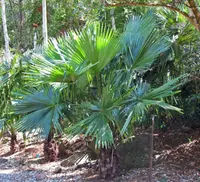
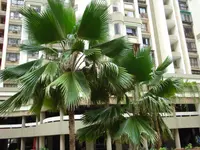
The Fiji fan palm, Pritchardia pacifica, is a tropical palm tree known for its large, rounded, hand-fan leaves held on a single, upright trunk. It forms a neat, sculptural canopy that gives a strong architectural look in gardens and spacious indoor areas.

This species is native to Pacific islands, where it grows in warm, coastal conditions with plenty of sun and humidity. It is moderately slow-growing and prefers stable warmth, bright light, and free-draining soil, which can make how to care for Fiji fan palm slightly more demanding in cooler or dry indoor climates.

In suitable conditions, it is a durable, long-lived palm that rewards consistent care with steady, attractive growth and a clean, tidy form.

Main Plant Requirements

Care Difficulty

Moderate Care

Light Preference

Full Sun

Water Requirements

Moderate Water

Temperature Preference

Tropical / Frost Sensitive

Hardiness Zone

11–12

Soil Texture

Sandy, Loamy, Organic-rich

Soil pH

Slightly acidic (6.5–7.0), Neutral (7.0)

Soil Drainage

Moist but well-drained

Fertilization

Minimal (feed rarely)

Get Personalized Care Plan

Scan your plant to receive care tips personalized for your specific plant

Available on iOS and Android

How to Care for the Fiji fan palm

This tropical palm prefers bright, gentle sun with some protection from harsh midday exposure.

  • Provide 4–6 hours of direct morning sun with light shade or filtered light from late morning to mid-afternoon, especially in hot climates.
  • Young Fiji fan palm plants benefit from partial shade (30–50%) to prevent leaf scorch, while established specimens tolerate more open sun near the coast.
  • In summer, watch for bleaching or crispy leaf tips as signs of excess sun; in winter, avoid deep shade that causes thin, stretched fronds.

This palm favors evenly moist but not saturated soil, with short dry periods between waterings.

  • Water when the top 3–5 cm of soil feels dry, allowing moisture to reach the deeper root zone without leaving the soil soggy.
  • Ensure sharply draining soil or a sloped site, since Pritchardia pacifica is prone to root rot in standing water and heavy clay.
  • In hot, windy seasons increase frequency, watching for folding, dull fronds as a sign of thirst; reduce watering in cooler months to prevent yellowing from overwatering.

This species thrives in consistently warm, frost-free conditions typical of tropical and subtropical climates.

  • Aim for 70–85°F (21–29°C) for active growth, with stable warmth and good air movement to reduce disease risk.
  • Avoid temperatures below 50°F (10°C); brief dips to 40–45°F (4–7°C) may be tolerated but can slow growth and damage foliage.
  • This palm handles dry heat up to about 95°F (35°C) if soil moisture is adequate, but prolonged cold or any frost can cause leaf burn and long-term decline.

This species prefers moderately humid air but usually adapts to typical home conditions if not kept too dry.

  • Aim for 40–60% humidity, as very dry air can slow leaf expansion and increase browning at the tips.
  • In drier homes, use a room humidifier or place the pot on a pebble tray with water below the pot base to raise local humidity.
  • Watch for crisp brown leaf edges and stalled new fronds as signs that humidity is too low for Fiji fan palm.

This palm needs a well-drained, airy mix that stays slightly moist but never waterlogged.

  • Use a loose, sandy-loam style mix such as 40% peat or coco coir, 30% pine bark fines, and 30% coarse sand or perlite to balance moisture and drainage.
  • Keep pH slightly acidic to neutral, around 6.0–7.0, which supports nutrient availability and root health in Pritchardia pacifica.
  • Incorporate chunky materials like bark and coarse perlite to improve aeration, so roots receive enough oxygen and resist rot.
  • Avoid heavy garden soil, fine compost-only mixes, or containers without free-draining substrate, as these hold too much water and compress over time.

This species can grow in containers for many years if its size and weight are managed carefully.

  • Choose a wide, heavy container that resists tipping, since the tall trunk and broad fronds create a top-heavy canopy.
  • Select a deep pot that allows a strong vertical root system, which improves stability and water uptake in a confined volume.
  • Use a pot material like thick terracotta or concrete outdoors to moderate moisture swings and add extra weight against wind movement.

This tropical palm benefits from light, consistent nutrition during warm months but is sensitive to excess salts.

  • Use a balanced slow-release palm fertilizer or dilute balanced liquid feed at 1/2 strength during active growth.
  • Apply every 6–8 weeks in spring and summer, onto moist soil to reduce root burn risk.
  • Avoid heavy feeding; many landscape specimens need only modest supplemental fertilizer in average soil.
  • In fall and winter, reduce or stop feeding, especially for indoor Fiji fan palm kept in lower light.

Pruning needs for Pritchardia pacifica are minimal and focus on health and safety rather than shaping.

  • Best time is late winter to early spring, before strong new growth begins.
  • Remove only dead, yellowing, diseased, or badly damaged fronds using clean, sharp loppers or a pruning saw.
  • Keep a natural canopy shape; avoid cutting green, healthy fronds, which weakens the palm and reduces vigor.
  • Cut fronds close to the trunk without damaging living tissue, and dispose of diseased material away from other plants.

Container-grown Fiji fan palm dislikes frequent root disturbance, so plan repotting or transplanting carefully.

  • Check for roots circling the pot, pushing through drainage holes, or noticeably slowed growth as signs it needs more space.
  • Carry out repotting or transplanting in late spring to early summer, when temperatures are stable and growth is active.
  • Move up only 1 pot size, use a well-drained, sandy palm mix, and keep the root ball as intact as possible.
  • Water thoroughly after planting, provide partial shade for 1–2 weeks, and avoid heavy fertilizing until new growth resumes.

Propagation of Pritchardia pacifica is done almost exclusively from seeds and requires warmth and patience.

  • Collect fully ripe seeds, clean the pulp, and sow them fresh for higher germination rates.
  • Best season is late spring to summer, with soil temperatures kept around 75–85°F for consistent sprouting.
  • Use a free-draining, sterile mix, bury seeds shallowly, and keep humidity high but not waterlogged.
  • Germination may take several weeks to months; provide bright, indirect light and pot up seedlings gently once roots are firm.

This palm is frost sensitive and needs thoughtful winter care in climates cooler than its tropical native range.

  • Avoid exposure below about 40°F; freezing temperatures can permanently damage foliage and growing tips.
  • In-ground plants in marginal climates benefit from a 5–10 cm layer of mulch over the root zone, kept away from the trunk.
  • Wrap the crown and trunk with breathable frost cloth during cold snaps to limit tissue damage.
  • Move container plants indoors or into a heated greenhouse, providing bright light and reduced but consistent watering.

Care Tips

Wind acclimation

In the first 1–2 years outdoors, gradually expose the palm to stronger wind by moving it from sheltered to more open positions, which helps the trunk and leaf bases strengthen and reduces tearing of the large fan leaves later on.

Salt and spray tolerance

Near the coast, allow moderate salt-laden air but avoid direct saltwater splash on the root zone by using a slightly raised planting area and a light mulch ring that stops runoff from paved or salty areas.

Root-zone protection

Create a wide, shallow mulch ring (5–8 cm deep, kept 10–15 cm away from the trunk) to buffer soil temperature, reduce evaporation, and protect the relatively shallow feeder roots from mechanical damage during mowing or foot traffic.

Stable staking setup

For newly planted specimens over 1.5 m tall in breezy sites, install 2–3 wide, soft ties from the trunk to low, flexible stakes set outside the root ball, and remove the supports after 1 growing season once the root system has anchored firmly.

Sanitation and monitoring

When caring for Fiji fan palm, remove fallen old fronds and flower stalks from the soil surface every few weeks and inspect the leaf undersides and crown for scale insects or mites, which helps prevent pest build-up and improves airflow around the plant.

Common Pests and Diseases

Red palm mite

This pest feeds on the undersides of fan leaves, causing pale stippling, yellowing, and eventual leaf scorch, especially in warm, dry conditions. Fine webbing may be visible between leaf segments.

Solution

Rinse fronds thoroughly with a strong but gentle stream of water, focusing on the underside of leaves, and repeat weekly until mite activity drops. In persistent cases, apply a horticultural oil or insecticidal soap labeled for mites, making sure to coat the undersides of leaves and improving humidity to make conditions less favorable for reinfestation.

Palm aphids

These insects cluster along leaf veins and on young leaf bases, sucking sap and producing sticky honeydew that can lead to sooty mold on Fiji fan palm foliage. Symptoms include distorted new growth and a general decline in vigor.

Solution

Wipe or spray affected areas with water and a mild insecticidal soap, repeating every 5–7 days until colonies are gone. Prune heavily infested fronds if feasible and avoid overfertilizing with nitrogen, which encourages soft, aphid-prone growth.

Scale insects

This pest appears as small, hard or waxy bumps along petioles and leaf ribs, where it draws sap and weakens the plant over time. Symptoms include yellow spots, premature leaf aging, and sticky residue on surfaces below the palm.

Solution

Manually remove scale with a soft brush or cloth dipped in soapy water or diluted alcohol, then treat remaining insects with horticultural oil, ensuring thorough coverage of all leaf and stem surfaces. Repeat treatments according to label directions and monitor new growth regularly, as part of broader Pritchardia pacifica plant care in warm climates.

Pink rot

This disease, caused by the fungus Nalanthamala vermoeseni, attacks leaf bases and crown tissue in humid, poorly ventilated conditions, leading to brown, collapsing areas and a pinkish spore mass on decaying tissue. Symptoms include sudden collapse of young fronds from the center of the crown.

Solution

Remove and discard all affected fronds and soft, discolored tissue, keeping tools disinfected between cuts to prevent spread. Improve air circulation, avoid overhead watering, keep the crown as dry as possible, and use a palm-labeled fungicide preventively on remaining healthy tissue if the disease has been confirmed.

Leaf spot

This disease produces brown to black spots or streaks on the leaf surface, sometimes with yellow halos, which can merge into larger dead patches under prolonged leaf wetness. Symptoms include gradual loss of aesthetic quality and reduced photosynthesis on older fronds.

Solution

Trim and dispose of heavily spotted leaves, cutting well into healthy tissue, and avoid wetting foliage late in the day so leaves dry quickly. Increase spacing and airflow around the palm, then apply a broad-spectrum fungicide labeled for ornamental palms if spotting continues to spread on new growth.

Interesting Facts

Fiji island endemic

This species is naturally restricted to a few islands in Fiji, where it grows mainly in coastal lowlands and on limestone or coral-derived soils close to the sea.

Salt-tolerant coastal palm

It shows notable tolerance to salty winds and coastal exposure, which allows it to form part of natural seaside vegetation near beaches and rocky shores in its native range.

Traditional leaf uses

In Fiji, the large, stiff fan leaves have been traditionally used for weaving mats, thatching, fans, and ceremonial items, making the palm both an ecological and cultural resource.

Botan icon

Did you know?

The species is believed to have spread historically among Pacific islands through human cultivation and transport for its useful leaves, so its current distribution may reflect ancient voyaging and cultural exchange more than purely natural dispersal.

FAQs about Fiji fan palm

Growth is moderate rather than rapid. In warm frost-free climates it often adds about 15–30 cm of trunk height per year, slowing as it matures. Container plants usually grow more slowly due to root restriction.

Grow Healthy Plants with Botan Care

Keep your plants happy and healthy with plant identification, disease detection, and easy care guidance.

Botan plant care app — identify plants on mobile

Explore More Plants