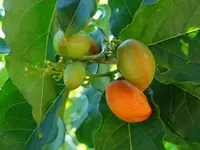
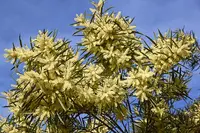
blackwood Care (Acacia melanoxylon)

Also known as: Tasmanian blackwood, Australian blackwood, sally wattle, Blackwood acacia
blackwood

About blackwood

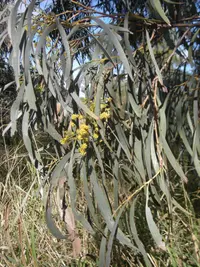
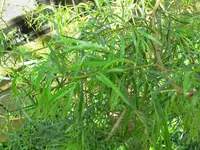
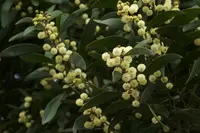
Blackwood (Acacia melanoxylon) is a fast-growing evergreen tree from the legume family. It has fine, dark green foliage and a dense, upright crown. In nature it occurs mainly in southeastern Australia, often along forest edges and moist valleys, and is widely planted elsewhere for timber and shelterbelts. The tree produces small, pale yellow, ball-shaped flowers followed by seed pods, and can become quite large with age. It is hardy, adaptable, and tolerates a range of soils, which makes it relatively easy in suitable climates but unsuitable for small urban gardens. Those who want to care for blackwood should provide good light, moderate moisture, and well-drained soil.

Main Plant Requirements

Care Difficulty

Moderate Care

Light Preference

Full Sun

Water Requirements

Low Water

Temperature Preference

Warm Climate

Hardiness Zone

8–11

Soil Texture

Sandy, Loamy, Clay

Soil pH

Acidic (5.5–6.5), Slightly acidic (6.5–7.0)

Soil Drainage

Well-drained

Fertilization

Minimal (feed rarely)

Get Personalized Care Plan

Scan your plant to receive care tips personalized for your specific plant

Available on iOS and Android

How to Care for the blackwood

Acacia melanoxylon prefers bright outdoor conditions with protection from extreme midday sun.

  • Provide full sun to light partial shade, aiming for 6–8 hours of direct or lightly filtered sunlight, ideally with morning sun and some afternoon shade in hotter regions.
  • Young trees benefit from light shade cloth or dappled canopy cover in the first 2–3 summers to reduce leaf scorch and moisture stress.
  • In cloudy or high-latitude areas, ensure the planting site is open and unshaded, since prolonged low light reduces growth and canopy density in blackwood.

Acacia melanoxylon prefers deep, infrequent watering once established, with soil allowed to dry slightly between soakings.

  • In the first 1–2 years after planting, water when the top 5–8 cm of soil feels dry, applying a slow deep soak rather than light sprinkling.
  • Established trees usually manage on rainfall alone; in hot, dry spells, irrigate only if foliage wilts, curls, or browns at the tips, indicating drought stress.
  • Ensure well-drained soil or raised planting; persistent puddling, sour smell, yellowing leaves, or dieback from the tips often signals overwatering or poor drainage.

This species is a mild-climate tree that prefers cool to warm conditions without severe frost or extreme heat.

  • Optimal growth occurs around 60–77°F (16–25°C), with steady growth in regions that avoid large daily temperature swings.
  • Mature trees tolerate brief drops to about 24–26°F (-4 to -3°C), but repeated hard frosts can damage young shoots and thin bark.
  • In hot climates, trees handle up to 95–100°F (35–38°C) if soil moisture is adequate, but hot dry winds increase leaf scorch risk, especially on exposed sites.

This species handles a wide humidity range and rarely needs special humidity management indoors.

  • Target 30–50% humidity; levels typical of heated or air-conditioned homes are usually acceptable for blackwood.
  • Leaves curling, browning at tips, or dropping near heating vents can indicate excessively dry air rather than watering issues.
  • If air is very dry, move the plant away from hot drafts and group it with other plants instead of using constant misting.

This species prefers well-structured, free-draining soil that stays slightly moist but never waterlogged.

  • Use a mix of 50–60% loam-based potting soil, 20–30% coarse sand, and 10–20% fine bark or perlite to balance moisture retention and aeration.
  • Aim for slightly acidic to neutral pH around 6.0–7.0, avoiding very alkaline mixes that can reduce nutrient availability for Acacia melanoxylon.
  • Ensure the mix feels crumbly, not sticky; incorporate coarse sand or fine gravel if water lingers on the surface for more than a few minutes after watering.
  • Avoid heavy clay-based or peat-only soils that compact, as low oxygen around the roots leads to stunted growth and higher risk of root rot.

This tree can be grown in containers when young or kept dwarf, but it needs careful pot selection for root space and stability.

  • Choose a deep, heavy container that resists tipping as the woody canopy develops and catches wind on balconies or patios.
  • Select a potting mix formulated for trees or shrubs that drains quickly so excess water can exit within minutes rather than pooling at the base.
  • Use a wide-based pot or add discreet external supports to prevent rocking that can damage anchoring roots in tall, top-heavy specimens.

Acacia melanoxylon usually needs minimal feeding in the ground but benefits from light support in poor soils or containers.

  • Use a balanced slow-release fertilizer (for example 10-10-10) or well-rotted compost at the start of spring.
  • Feed container-grown trees every 6–8 weeks in spring–summer at half label strength.
  • Avoid high-nitrogen lawn fertilizers near the root zone to limit weak, sappy growth.
  • Stop feeding in late summer so new growth hardens before cooler weather.

Pruning Acacia melanoxylon focuses on safety, structure, and light management rather than heavy shaping.

  • Carry out main pruning in late winter to very early spring, before active growth.
  • Remove dead, diseased, crossing, or storm-damaged branches using clean, sharp bypass pruners or a pruning saw.
  • Thin congested interior shoots to improve airflow and maintain a single strong leader in young trees.
  • Avoid severe heading cuts; use gradual reduction cuts to guide size and form over several seasons.

Blackwood is usually grown in the ground, so transplanting young trees correctly is more important than long-term container repotting.

  • Transplant in late winter to early spring while the tree is dormant or growth is slow.
  • Look for roots circling the pot, pot-bound structure, or stalled growth as signs a young tree needs a larger container or planting out.
  • Handle the root ball gently, teasing out circling roots and watering thoroughly before and after transplanting to limit stress.
  • Plant at the same soil level in a wide hole with loosened surrounding soil, then mulch 5–8 cm deep, keeping mulch off the trunk.

Acacia melanoxylon is most commonly propagated from seed, which germinates reliably if pretreated correctly.

  • Collect ripe seed in late summer–autumn and store dry until sowing in late winter–spring.
  • Scarify hard seed coats by pouring near-boiling water over seeds, soaking 12–24 hours until they swell.
  • Sow in a free-draining, low-nutrient mix, barely covering seeds, and keep at 64–75°F with even, light moisture.
  • Provide bright light and good airflow for seedlings, then pot on carefully once roots hold the mix and true leaves appear.

Acacia melanoxylon is moderately frost tolerant in mild climates but young or potted plants benefit from some winter protection.

  • In ground, add a 5–8 cm mulch layer over the root zone in late fall, keeping it away from the trunk.
  • Shelter young trees from cold winds with temporary windbreak fabric or fencing.
  • Move container plants into a bright, cool, frost-free space when temperatures approach 28–30°F.

Care Tips

Wind-firm training

During the first 3–5 years, stake young trees low and loosely and gradually reduce support so the trunk flexes in wind and develops stronger taper, which greatly improves long-term stability.

Root-zone protection

Keep a permanent, mulch-only zone at least 60–90 cm from the trunk and avoid regular traffic or cultivation there to reduce soil compaction and protect the species’ relatively shallow, wide-spreading roots.

Formative branch selection

In late winter, select 1 dominant leader and remove or shorten competing upright shoots and included-angle branches before they thicken, which reduces future storm damage and large pruning wounds.

Managing suckers

Inspect the base and main roots 2–3 times per year and cut off basal shoots and root suckers flush with their point of origin to prevent dense thickets and maintain a single well-shaped canopy when growing blackwood.

Firewise fuel reduction

In fire-prone areas, regularly remove dead twigs, lower dry branches, and accumulated leaf litter from beneath the canopy to reduce surface fuel loads while keeping live foliage pruned up off the ground by 50–100 cm.

Common Pests and Diseases

Psyllids

These insects feed on young foliage and shoots, causing leaf curling, distortion, and sticky honeydew that can attract sooty mold.

Solution

Prune and destroy heavily infested shoot tips, then hose down foliage with a strong stream of water to remove nymphs and honeydew; if needed, apply a targeted insecticidal soap or horticultural oil to young flushes of growth, repeating according to label directions and avoiding applications during high heat.

Borers

This pest tunnels into trunks and larger branches, leading to dieback, frass (sawdust-like material), and weakened wood that may break in wind.

Solution

Remove and destroy affected branches promptly, keeping cuts clean and smooth, and improve tree vigor through appropriate watering and mulching; for valuable specimens, monitor for fresh exit holes and consult a local arborist about timing and suitability of trunk or canopy treatments with systemic insecticides.

Armillaria root rot

This disease attacks the roots and lower trunk, causing progressive canopy thinning, yellowing leaves, branch dieback, and in advanced cases white fungal growth under the bark near the base.

Solution

Remove and destroy severely affected trees and as much of the major root system as possible, avoid replanting susceptible trees in the same spot, and improve drainage and soil aeration; maintain tree health through proper watering and avoiding trunk injuries, since stressed trees are more easily infected.

Sooty mold

This disease grows on the honeydew excreted by sap-sucking insects, forming a black, sooty coating on leaves and stems that interferes with photosynthesis.

Solution

Control the underlying honeydew-producing pests such as psyllids or scale, then gently wash affected foliage with water and a mild, plant-safe soap solution; improve air circulation through selective pruning to help foliage dry quickly and reduce future fungal growth, which supports better Acacia melanoxylon care.

Interesting Facts

Commercial blackwood timber

Australian blackwood produces a dark, fine-textured hardwood that is widely used in high-end furniture, veneers, and musical instruments such as guitars and clarinets, valued for its stability and acoustic properties.

Nitrogen-fixing pioneer

This species forms symbioses with root-dwelling bacteria that fix atmospheric nitrogen, allowing it to colonize poor soils and alter nutrient cycles where it becomes naturalized outside its native range.

Invasive in some regions

Outside its native southeastern Australia and Tasmania, Australian blackwood is considered invasive in several regions, including parts of South Africa and New Zealand, where it can outcompete native vegetation and change understory structure.

Botan icon

Did you know?

In its native range, Australian blackwood can naturally occur from lowland wetlands up into cool montane forests, tolerating a wide climatic span from mild coastal conditions to occasional light frosts, which is one reason foresters have trialed growing blackwood in many different countries.

FAQs about blackwood

This species is generally fast-growing. Young trees commonly add 60–120 cm in height per year under good conditions, then slow slightly with age. Growth rate depends strongly on water, soil fertility, and climate suitability.

Grow Healthy Plants with Botan Care

Keep your plants happy and healthy with plant identification, disease detection, and easy care guidance.

Botan plant care app — identify plants on mobile

Explore More Plants