Caudex protection
Protect the swollen trunk from intense afternoon sun by gradually acclimating it to brighter light and, in very hot climates, using a porous shade cloth to prevent bark scorch and cracking.

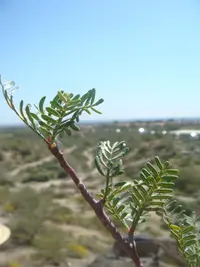
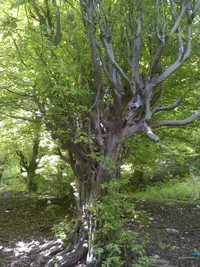
The elephant tree, Bursera microphylla, is a small desert tree or large shrub known for its swollen, sculptural trunk that stores water. Its branches are often twisting and carry tiny, aromatic leaves that may drop in dry or cool conditions. Native to the Sonoran Desert of the southwestern United States and northwestern Mexico, it has adapted to high heat, intense sun, and long dry periods. These traits make it relatively easy to grow in containers or dry gardens if drainage is excellent. Those learning how to care for elephant tree should know it prefers bright light, sparse watering, and gritty, fast-draining soil, making it suitable for succulent-style care routines.

Care Difficulty
Moderate Care

Light Preference
Full Sun

Water Requirements
Low Water

Temperature Preference
Warm Climate

Hardiness Zone
9–11

Soil Texture
Sandy, Loamy, Rocky

Soil pH
Slightly acidic (6.5–7.0), Slightly alkaline (7.0–7.5)

Soil Drainage
Well-drained

Fertilization
Minimal (feed rarely)
Scan your plant to receive care tips personalized for your specific plant
Available on iOS and Android
Bursera microphylla thrives in strong light that mimics its native desert environment.
This species is highly drought-tolerant and stores water in its swollen trunk and branches.
This desert tree prefers warm to hot conditions with only brief exposure to cold.
Humidity is rarely a concern, as this desert species is adapted to very dry air.
Bursera microphylla needs very fast-draining, mineral-based soil that mimics rocky desert slopes.
This species is well suited to container growing when planted in a stable, fast-draining setup.
Bursera microphylla benefits from light, infrequent feeding that supports growth without bloating the caudex of this elephant tree.
Pruning Bursera microphylla is mainly done to maintain structure and remove problem wood rather than to control size.
Container-grown Bursera microphylla or young transplants respond best to infrequent, careful root disturbance.
Propagation of Bursera microphylla is possible by seeds and semi-hardwood cuttings but needs warm, dry-leaning conditions.
Bursera microphylla is not cold hardy in most climates and needs simple but firm winter protection from freezing.

Plant Health Check
Not sure what's wrong with your plant? Check your plant's health inside the app.
This species forms a thick, bottle-shaped trunk that functions as a water reservoir, allowing it to survive long droughts in the Sonoran Desert with minimal rainfall.
When the bark is scratched, it releases a strong, resinous scent due to complex terpenoid compounds, which help protect the plant from herbivores and some pathogens.
In parts of its range, the small leaves and branching structure can capture fog and dew, providing an additional moisture source beyond infrequent desert rains.

The elephant tree is one of the dominant woody plants on some of the driest rocky slopes in the Sonoran Desert, forming characteristic low, sculptural woodlands that are considered a defining visual element of that ecosystem.
Lack of flowers usually comes from insufficient light, too much water, or a plant that is still immature. This desert species often needs several years, strong sun, and a dry winter rest before flowering reliably.
Keep your plants happy and healthy with plant identification, disease detection, and easy care guidance.