Leaf mulch buffer
Apply a thin layer of shredded deciduous leaf mulch around the clump each fall to mimic its woodland habitat, moderating soil temperature and reducing frost heave of shallow rhizomes.


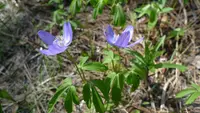
Mountain thimbleweed, Anemonoides lancifolia, is a small, herbaceous perennial in the buttercup family. It forms loose clumps from slender rhizomes and goes dormant after flowering. The plant typically carries finely divided, lance-shaped leaves and delicate white flowers with a central cluster of yellow stamens, giving a simple woodland look. It usually blooms in spring before the tree canopy fully leafs out. In nature, it occurs in deciduous forests of the Appalachian region in the eastern United States, often on moist, shaded slopes. It tends to be moderate in difficulty to grow, as it prefers stable moisture, organic-rich soil, and protection from harsh sun. Gardeners who learn how to care for Mountain Thimbleweed often grow it as a naturalistic groundcover in woodland-style plantings.

Care Difficulty
Moderate Care

Light Preference
Partial Shade

Water Requirements
Moderate Water

Temperature Preference
Cold Hardy

Hardiness Zone
5–8

Soil Texture
Loamy, Silty, Organic-rich

Soil pH
Acidic (5.5–6.5), Slightly acidic (6.5–7.0)

Soil Drainage
Moist but well-drained

Fertilization
Minimal (feed rarely)
Scan your plant to receive care tips personalized for your specific plant
Available on iOS and Android
Anemonoides lancifolia prefers bright, gentle woodland-style light with protection from harsh midday sun.
This woodland perennial prefers evenly moist, well-drained soil that never stays waterlogged.
This species is a cool-temperate woodland plant that handles winter cold but dislikes extreme heat and drought.
Humidity is not a critical factor for this temperate woodland perennial.
This woodland species needs loose, humus-rich soil that stays evenly moist but drains freely.
This species can be grown in containers for short-term display or in shaded outdoor pots.
This woodland perennial such as Mountain Thimbleweed usually needs minimal fertilizer in garden soil rich in organic matter.
Pruning Anemonoides lancifolia is simple and mainly focuses on tidying spent growth.
This species is usually grown in the ground, so care focuses on transplanting clumps rather than frequent repotting.
Anemonoides lancifolia is most often propagated by division, with seed used mainly for naturalizing or breeding.
This hardy woodland plant needs little special winter care in most temperate climates.

Plant Health Check
Not sure what's wrong with your plant? Check your plant's health inside the app.
This species is naturally restricted to the southern Appalachian Mountains of the eastern United States, where it grows in rich, deciduous forests on shaded slopes and ravines.
It can be separated from closely related wood anemones by its narrow, strongly lance-shaped leaf segments, which give the foliage a more finely cut and delicate appearance.
The plant is a classic spring ephemeral, completing most of its growth and flowering before the forest canopy leafs out, then largely disappearing above ground by early summer.
This species spreads slowly by rhizomes, forming loose clumps rather than dense carpets. It usually stays well behaved in woodland or shade gardens. Occasional division helps manage size and maintain vigor without becoming troublesome.
Keep your plants happy and healthy with plant identification, disease detection, and easy care guidance.