Bear-grass Care (Xerophyllum tenax)

Also known as: common beargrass, Basket-grass, Western Turkeybeard
Bear-grass

About Bear-grass

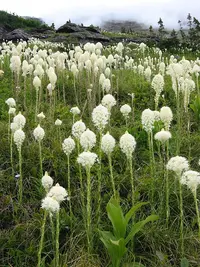
Bear-grass (Xerophyllum tenax) is a long-lived, clumping perennial native to western North America, especially mountain and forest habitats. It forms dense tufts of narrow, grass-like leaves and sends up tall flowering stalks topped with creamy white, bottlebrush-like clusters. In the wild it often grows in open woods, rocky slopes, and areas that experience periodic fires, which it tolerates well. The plant is slow to establish and does not like frequent disturbance, so it can be challenging in typical garden beds. It generally prefers full sun to light shade, well-drained, acidic soils, and steady but not excessive moisture, which helps guide how to care for Bear-grass.

Main Plant Requirements

Care Difficulty

Moderate Care

Light Preference

Full Sun

Water Requirements

Low Water

Temperature Preference

Cold Hardy

Hardiness Zone

3–7

Soil Texture

Sandy, Loamy, Rocky

Soil pH

Strongly acidic (4.5–5.5), Acidic (5.5–6.5)

Soil Drainage

Well-drained

Fertilization

Minimal (feed rarely)

Get Personalized Care Plan

Scan your plant to receive care tips personalized for your specific plant

Available on iOS and Android

How to Care for the Bear-grass

Xerophyllum tenax prefers open, sunny habitats but tolerates some shade in hotter climates.

  • Provide 6–8 hours of direct sun daily, ideally with strong morning sun and lighter afternoon exposure in very hot regions.
  • Allow light partial shade (2–4 hours less direct sun) in areas with intense summer heat to reduce leaf scorching and moisture stress.
  • In winter or cloudy coastal areas, choose the brightest, most open site available, since prolonged deep shade leads to weak, sparse foliage and poor flowering.

This species is adapted to dry, well-drained sites and is more sensitive to excess moisture than short dry spells.

  • Water only when the top 3–5 cm of soil feel dry, then soak the root zone thoroughly and allow excess water to drain away.
  • Use sharply drained, sandy or rocky soil; persistent sogginess, sour smell, or black, mushy roots indicate overwatering and risk of rot in Xerophyllum tenax.
  • In hot, dry summers, watch for curling or browning leaf tips as a cue to water more deeply, while in cool, wet seasons irrigation is rarely needed.

This plant is naturally adapted to cool to mild climates with distinct seasons.

  • Active growth is best around 55–70°F (13–21°C), with flowering and foliage quality strongest in consistently cool conditions.
  • Established plants tolerate winter cold down to about 0°F (−18°C) or slightly lower when soil drains well and freeze–thaw cycles are limited.
  • In summer, it handles brief heat up to 85–90°F (29–32°C) if soil is not waterlogged; prolonged extreme heat with drought can cause leaf browning and reduced vigor.

This species evolved for dry, open habitats, so humidity is rarely a concern in typical homes or gardens.

Xerophyllum tenax prefers lean, sharply drained, acidic soil that mimics its native mountain and forest openings.

  • Use a sandy or gritty mix with some fine bark, avoiding heavy loam or peat-heavy blends that stay wet.
  • Aim for acidic conditions around pH 4.5–6.0, often achieved by blending conifer bark and pine needle mulch.
  • Ensure very fast drainage by adding coarse sand or small grit at 30–50% of the mix volume.
  • Avoid nutrient-rich, compacted, or water-retentive substrates, which quickly lead to root decline.

This species can be grown in containers, but it demands careful attention to drainage and root conditions.

  • Choose a deep, narrow container to accommodate its fibrous root system and prevent tipping in windy sites.
  • Select a mineral-based mix in a pot with extra drainage holes so water exits within seconds after watering.
  • Use a heavier pot material or weight the base with gravel to keep tall flowering stalks from making the container unstable.

Xerophyllum tenax is adapted to nutrient-poor, sandy or rocky soils and usually needs little to no fertilizer in garden settings.

Xerophyllum tenax needs minimal pruning, mainly to keep clumps clean and reduce disease risk.

  • Cut back spent flower stalks at the base in late summer or fall using clean, sharp hand pruners.
  • Remove dead, yellowing, or damaged leaves at any time, trimming close to the crown without cutting into living tissue.
  • Avoid heavy shaping; light cleanup preserves the natural tufted form and does not reduce future flowering.

Bear-grass is usually grown in the ground, so transplanting is more common than container repotting and should be done carefully to limit root disturbance.

  • Plan transplanting for early spring or early fall, when temperatures are mild and natural rainfall supports recovery.
  • Look for signs such as slow growth or plants crowded into dry, depleted spots before deciding to move established clumps.
  • Dig a wide, deep root ball, keep native soil around the roots, and replant at the same depth in sharply drained, acidic soil.
  • Water thoroughly after transplanting, then keep soil lightly moist, shading temporarily if needed to reduce transplant shock.

Xerophyllum tenax is slow to establish and most propagation is done by seed, with division used more rarely.

  • Sow fresh seed in fall outdoors or use cold stratification, a chilling period that breaks dormancy, before spring sowing.
  • Use a gritty, sharply drained seed mix and keep it just barely moist; germination can be slow and irregular.
  • Where clumps are dense, divide older plants in early spring, lifting a generous root ball and separating small offsets.
  • Replant divisions promptly at the original depth and water well, then maintain even but light moisture until new growth forms.

Xerophyllum tenax is very cold hardy and usually needs little special winter care in the ground.

  • In colder regions, apply a light 2–5 cm mulch of pine needles or leaf litter around the root zone, keeping it off the crown.
  • Leave evergreen foliage in place over winter to shelter the crown and only remove fully dead leaves in late winter or early spring.
  • Container-grown plants in very cold climates can be moved to an unheated but sheltered area to reduce freeze–thaw stress on roots.

Care Tips

Fire-adapted renewal

In established garden plantings, periodically remove accumulated thatch and old leaves around the clump in late winter to mimic natural fire cleaning and encourage fresh, vigorous foliage and better flowering.

Seed germination protocol

For propagation, store cleaned seed dry for several weeks, then use a cold-moist stratification at 35–40°F for 8–12 weeks before sowing to break dormancy and improve germination rates.

Companion root selection

Plant alongside other deep-rooted, drought-tolerant natives like Penstemon or native bunchgrasses so that neighboring plants do not outcompete its slow-growing, fibrous root system for surface moisture.

Slope and drainage use

On heavy or compacted sites, place plants on gentle slopes, low mounds, or raised berm edges to keep the crown from sitting in winter wet, which reduces the risk of rot and improves long-term survival when growing Bear-grass.

Minimal disturbance practice

Avoid dividing or moving mature clumps, and plan permanent spacing at planting time, since this species resents root disturbance and often declines or stalls for several seasons after being dug up.

Common Pests and Diseases

Leaf spot fungi

This disease causes small brown to dark-purple spots on the narrow leaves, which may merge into larger patches in wet weather. Symptoms include premature browning and dieback of older foliage, especially in dense plantings or poorly drained sites.

Solution

Remove and discard heavily spotted or dead leaves to reduce fungal spores, and avoid overhead irrigation so foliage dries quickly. Improve spacing and air movement around clumps, keep mulch slightly away from the leaf bases, and if disease persists in landscape settings, use a copper-based fungicide labeled for ornamental grasses and native perennials, applied during extended wet periods.

Rust

This disease produces orange to reddish powdery pustules on leaf surfaces, often starting on older leaves in humid, crowded stands. Symptoms include yellowing around the pustules and gradual thinning of foliage where infection is severe.

Solution

Cut and remove the most affected leaves or whole spent clumps at the end of the season to remove overwintering spores. Promote good air circulation, avoid frequent light overhead watering, and if needed in cultivated settings, rotate with or spot-apply a labeled rust fungicide during humid periods when new pustules first appear as part of broader Xerophyllum tenax care instructions.

Aphids

These insects cluster on young flowering stems and leaf bases, sucking sap and causing slight distortion, sticky honeydew, and occasional sooty mold growth. This pest is more common on plants grown in richer soil or with extra irrigation than in wild, dry sites.

Solution

Rinse colonies off with a firm stream of water, focusing on tender stems and undersides of leaves, and repeat as needed. Encourage beneficial insects such as lady beetles, avoid high-nitrogen fertilizer that promotes soft growth, and if infestations remain heavy, use an insecticidal soap or horticultural oil, applied thoroughly but only when temperatures are below about 85°F.

Grasshoppers

These insects chew irregular holes and notches in leaves and can strip foliage from young or newly planted clumps in dry, open sites. Damage is often seasonal and may vary greatly from year to year depending on local populations.

Solution

Hand-pick larger grasshoppers early in the day when they move slowly, and use fine netting or row cover over small plantings during peak feeding periods. Maintain a mixed planting with other native species to spread feeding pressure, and in severe rural outbreaks consider using baits or barriers recommended for grasshoppers in native plantings, following local extension guidance.

Interesting Facts

Fire-adapted flowering

This species often flowers most abundantly after wildfire, when heat and ash open habitat and release nutrients that stimulate dense blooming from its long-lived underground rhizomes.

Critical food for bears

In parts of its range, emerging spring shoots and succulent flower stalks are an important seasonal food source for grizzly and black bears, which can heavily graze patches as they green up.

Indigenous fiber plant

Many Native American communities have long used its tough, flexible leaves for weaving baskets, mats, and other items, often combining them with other plant fibers for strength and pattern.

Botan icon

Did you know?

Despite appearing as a tuft of grass, this plant is actually a member of the family Melanthiaceae, making it more closely related to trilliums and false hellebores than to true grasses.

FAQs about Bear-grass

Flowering often starts only when the plant is mature, which can take several years. Lack of bloom is usually linked to insufficient light, nutrient-poor or overly rich soil, or recent disturbance such as division or transplanting.

Grow Healthy Plants with Botan Care

Keep your plants happy and healthy with plant identification, disease detection, and easy care guidance.

Botan plant care app — identify plants on mobile

Explore More Plants