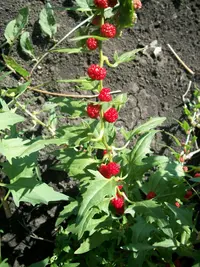
California Goosefoot Care (Blitum californicum)

California Goosefoot

About California Goosefoot

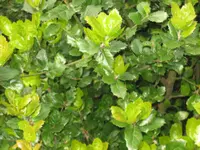
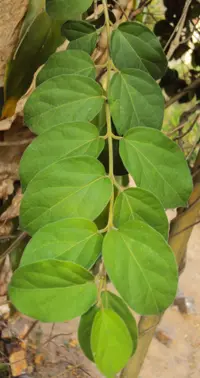
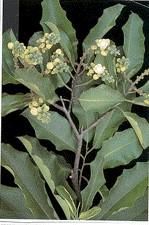
California goosefoot, Blitum californicum, is a native herbaceous plant found mainly in western North America, especially California. It typically grows as a low, branching perennial or short-lived shrub with soft, triangular to oval leaves and small, clustered greenish flowers.

In the wild it occurs in open woodlands, scrub, and disturbed sites, often in dry or seasonally moist soils. The plant is generally undemanding, tolerating poor soil and summer dryness once established.

For gardeners, it is considered relatively easy where winters are mild and soils drain well. Understanding how to care for California Goosefoot mainly involves matching its preference for sun to light shade and avoiding waterlogged conditions.

Main Plant Requirements

Care Difficulty

Moderate Care

Light Preference

Full Sun

Water Requirements

Moderate Water

Temperature Preference

Cool Climate

Hardiness Zone

7–10

Soil Texture

Sandy, Loamy, Organic-rich

Soil pH

Slightly acidic (6.5–7.0), Neutral (7.0)

Soil Drainage

Moist but well-drained

Fertilization

Minimal (feed rarely)

Get Personalized Care Plan

Scan your plant to receive care tips personalized for your specific plant

Available on iOS and Android

How to Care for the California Goosefoot

This sun-loving native herb grows best with bright, direct light but tolerates some shade.

  • Provide 6–8 hours of sun daily; full morning sun with light afternoon shade suits California Goosefoot in hotter regions.
  • In coastal or cooler climates, it can handle full sun all day, while inland sites benefit from filtered light after 2–3 p.m.
  • Insufficient sun causes weak, leggy stems; harsh all-day summer sun can scorch leaves, so shift exposure slightly with seasonal sun angle changes.

This species prefers evenly moist but not saturated soil, adapting to local rainfall once established.

  • In the ground, let the top 3–5 cm of soil dry before deep watering, then wet the root zone thoroughly without pooling.
  • Reduce watering in cool seasons; in hot, dry spells, use soil feel and leaf condition rather than a fixed schedule to time irrigation for Blitum californicum.
  • Overwatering shows as yellowing, soft foliage and sour-smelling soil; underwatering leads to limp, dull leaves and very light, crumbly soil.

This plant handles a wide range of outdoor temperatures typical of Mediterranean and coastal climates.

  • Active growth is strongest around 60–80°F (16–27°C), with steady vegetative growth and good leaf quality in this band.
  • Mature plants often survive brief dips to about 25°F (−4°C), but repeated hard frosts can damage tender shoots and reduce vigor.
  • Heat above 90°F (32°C) is tolerated if soil moisture is stable; in prolonged hot spells, growth may slow and light afternoon shade is beneficial.

This species handles a wide humidity range and rarely needs special humidity management indoors or outdoors.

  • Target 30–60% humidity; typical indoor and outdoor conditions in most US climates fall within this range.
  • Dry air is usually tolerated, but very hot, windy conditions can cause faster leaf wilting and tip scorching.
  • If foliage shows repeated wilt and crisped edges, group pots together or place near a tray of water and stones to slightly raise local humidity.

Blitum californicum prefers loose, well-drained mineral soil with moderate organic content.

  • Use a sandy or loamy mix that stays aerated: 2 parts general potting mix, 1 part coarse sand, 1 part fine gravel or perlite.
  • Aim for slightly acidic to neutral pH, roughly 6.0–7.2, which supports nutrient availability and root activity.
  • In heavy clay, mix in coarse sand and compost to improve drainage and structure before planting.
  • Avoid waterlogged or compacted ground, which promotes root rot and weak, pale growth due to poor oxygen supply.

This species can be grown successfully in containers for edible or ornamental use.

  • Choose a pot at least 25–30 cm deep to allow the taproot and lateral roots to develop without circling tightly.
  • Use a heavier material such as terracotta or thick-walled clay outdoors to stabilize the plant against wind and reduce tipping.
  • Elevate the container slightly on pot feet or bricks so drainage holes clear quickly after rain or irrigation, preventing a soggy root zone.

Blitum californicum is adapted to low-nutrient soils and usually needs little supplemental fertilizer in garden settings.

  • On very poor soils, apply a light top-dressing of compost in early spring to support new growth.
  • If container-grown, use a balanced liquid fertilizer (around 10-10-10 NPK) at 1/4–1/2 strength every 4–6 weeks in the growing season.
  • Skip feeding in winter or dormancy, when growth naturally slows and nutrient demand is low.

Blitum californicum benefits from light, targeted pruning to keep plants healthy and well-shaped.

  • Best time is late winter to early spring before vigorous new growth starts.
  • Remove dead, damaged, or diseased stems first, then thin crowded shoots to improve air flow.
  • Use clean, sharp hand pruners and make cuts just above a leaf node to guide branching.
  • Light shaping after flowering or seeding can maintain a compact habit without stressing the plant.

This species is more often grown in the ground, so focus on careful transplanting rather than frequent repotting.

  • Transplant in early spring or fall when temperatures are mild to reduce stress.
  • Choose a sunny, well-drained site and loosen soil 15–20 cm deep before planting California Goosefoot.
  • Move plants only when growth is slow, roots fill the planting hole, or crowding reduces vigor.
  • Lift with a wide root ball, keep roots moist, replant at the same depth, and water thoroughly to settle soil.

Blitum californicum is most commonly propagated from seed, with some potential for division in established clumps.

  • Sow fresh seed in fall or very early spring outdoors, allowing natural cold exposure that improves germination.
  • Use a free-draining seed mix, barely cover the seed, and keep the surface evenly moist until seedlings appear.
  • Once seedlings have several true leaves, thin or transplant them carefully to avoid root disturbance.
  • For divisions, split small clumps in early spring, replant promptly, and water well until reestablished.

In much of its native range, Blitum californicum is reasonably cold hardy and needs minimal winter care once established.

  • Plants tolerate light frosts but may die back in colder snaps, then resprout from the base in spring.
  • Apply a 2–5 cm layer of organic mulch around the root zone in late fall, keeping mulch off stems.
  • For container plants in colder regions, move pots to a sheltered, frost-free spot with cool temperatures and good light.

Care Tips

Staggered Harvesting

Harvest leaves and young shoots from several plants in rotation rather than stripping one plant, which prevents stunting and encourages continuous regrowth when growing California Goosefoot.

Bolting Management

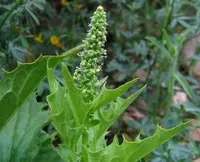
As soon as flower stalks begin to form, cut them back if leafy harvest is the goal, since this slows seed production and directs energy back into foliage.

Seed Self-Sowing

Allow a few plants to flower and set seed in place, then lightly scratch the soil surface in late summer to help seeds make contact and produce a self-renewing patch the following spring.

Wind and Slope Use

On slopes or in exposed sites, plant in short contour rows across the slope and use low windbreaks such as mesh or low hedging to reduce lodging and erosion around the root zone.

Soil Organic Buffer

In sandy or rocky native-style plantings, incorporate a narrow band of compost only in the planting row rather than the entire bed to improve moisture retention without over-enriching the broader site.

Common Pests and Diseases

Leaf miners

This pest burrows between leaf surfaces, creating winding, pale tunnels that can reduce photosynthesis in edible foliage.

Solution

Remove and destroy mined leaves as soon as damage appears, and keep surrounding weeds from the amaranth family down to reduce host plants. Floating row covers over young plants and the use of yellow sticky traps around plantings help reduce adult fly populations without affecting the safety of edible leaves when caring for California Goosefoot.

Flea beetles

These insects chew many small, round holes in young leaves, often giving foliage a shot‑holed or lace‑like appearance and slowing plant growth.

Solution

Use lightweight row covers to physically exclude beetles, especially early in the season, and keep soil evenly moist so plants outgrow minor damage. For heavier infestations, apply a fine layer of kaolin clay on foliage or use targeted spinosad or pyrethrin sprays in the evening, following label directions and avoiding bloom times.

Downy mildew

This disease causes pale or yellow leaf patches that may develop a grayish or purplish downy growth on the undersides in cool, moist conditions.

Solution

Improve airflow by spacing plants generously and avoiding overhead watering late in the day so leaves dry quickly. Remove and discard affected leaves, rotate plantings away from previous amaranth or beet crops, and in humid climates choose sunnier, breezier sites to reduce leaf wetness duration.

Cercospora leaf spot

Symptoms include small, circular to irregular tan or gray spots with darker borders that can merge and cause partial defoliation on older leaves.

Solution

Prune or harvest and discard heavily spotted leaves to lower disease pressure and avoid working among plants when foliage is wet. Maintain good spacing, water at soil level, and rotate planting areas for at least 2–3 years away from other Chenopodiaceae crops such as beets and chard.

Aphids

These insects cluster on young stems and leaf undersides, sucking plant sap and leaving sticky honeydew that can attract sooty mold fungi.

Solution

Dislodge aphids with a firm stream of water from a hose and encourage natural predators such as lady beetles by avoiding broad‑spectrum insecticides. For persistent colonies, apply insecticidal soap or horticultural oil to thoroughly coat infested surfaces, repeating as needed according to label directions.

Interesting Facts

Indigenous staple food

The Ohlone, Miwok, Pomo, and other Native peoples used the starchy roots and young shoots as an important traditional food, roasting or boiling them and sometimes grinding the roots into meal.

Coastal and chaparral native

This species is native to coastal scrub, chaparral, and open woodland habitats from California into Baja California, often appearing in disturbed or seasonally moist sites within these ecosystems.

Goosefoot leaf shape

The leaves show the characteristic goosefoot shape of the goosefoot family (Amaranthaceae), with triangular to rhombic blades that can vary in lobing even on a single plant.

Botan icon

Did you know?

The small, greenish flowers of this species are clustered in dense, fleshy spikes and form berry-like structures that were traditionally eaten as a kind of wild vegetable, making the plant valued both for its roots and its aboveground parts.

FAQs about California Goosefoot

Young leaves and tender shoots are edible and traditionally used as a leafy green, raw or cooked. Older leaves become tough and may accumulate nitrates, so harvest younger growth from clean, uncontaminated sites for safer use.

Grow Healthy Plants with Botan Care

Keep your plants happy and healthy with plant identification, disease detection, and easy care guidance.

Botan plant care app — identify plants on mobile

Explore More Plants