Rhizome Containment
Install a root barrier 25–30 cm deep around planting areas to prevent the plant’s creeping rhizomes from spreading into lawns or beds where it is not wanted.

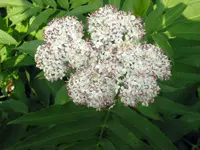
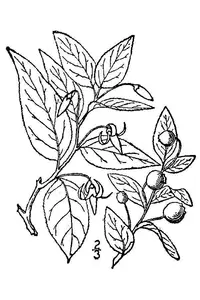
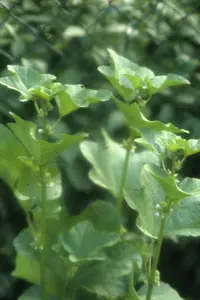
Dwarf elder, Sambucus ebulus, is a herbaceous perennial shrub that dies back in winter and regrows from the base each spring. It forms dense clumps with upright stems, divided leaves, and flat clusters of small white flowers followed by dark purple to black berries.
This species is native to parts of Europe and western Asia and often grows in hedgerows, roadsides, and disturbed soils. It spreads readily by rhizomes, so it can become invasive in suitable conditions.
Dwarf elder is quite vigorous and tolerant of a range of soils, which makes it easy to establish but harder to control in small gardens. It generally prefers sun to light shade and evenly moist, well-drained soil, which is useful to know when planning how to care for Dwarf Elder.

Care Difficulty
Easy Care

Light Preference
Full Sun

Water Requirements
Regular Water

Temperature Preference
Cold Hardy

Hardiness Zone
4–8

Soil Texture
Loamy, Clay, Organic-rich

Soil pH
Slightly acidic (6.5–7.0), Neutral (7.0)

Soil Drainage
Moist but well-drained

Fertilization
Minimal (feed rarely)
Scan your plant to receive care tips personalized for your specific plant
Available on iOS and Android
This species thrives in bright conditions and forms denser growth with ample sun exposure.
This deep-rooted perennial prefers consistently moist but not waterlogged soil.
This hardy perennial tolerates a wide temperature range once established outdoors.
Humidity is rarely a limiting factor for Sambucus ebulus in typical outdoor conditions.
Sambucus ebulus prefers moist, fertile, well-structured soil that stays aerated and never waterlogged.
This species can be grown in containers but demands careful management due to its spreading root system and tall shoots.
Sambucus ebulus is a vigorous, nutrient-efficient shrub that needs only light feeding in average garden soil.
Pruning Sambucus ebulus focuses on keeping the clump healthy, safe, and within bounds rather than creating a formal shape.
This suckering shrub is usually grown in the ground, so care focuses on transplanting young plants rather than frequent repotting.
Sambucus ebulus spreads well in gardens and is commonly propagated by division or cuttings for controlled establishment.
This herbaceous shrub is hardy in most temperate climates and usually needs minimal winter care outdoors.

Plant Health Check
Not sure what's wrong with your plant? Check your plant's health inside the app.
This species is an unusual herbaceous elder that dies back to the ground each winter instead of forming woody stems like other elder species. Its underground rhizomes allow it to resprout vigorously and form dense colonies.
The plant expands mainly via creeping rhizomes rather than seed, which helps it form large, almost monocultural patches along roadsides and field margins in parts of Europe and western Asia. This growth habit can make it locally invasive where conditions are favorable.
Its dark berries are eaten by several bird species that tolerate their mild toxicity and disperse the seeds in the wild. Some mammals avoid the fruits, so birds play a disproportionate role in its long‑distance spread compared with many other hedgerow shrubs.

In some European agricultural landscapes, dense stands of this species are associated with nutrient‑rich, nitrogen‑loaded soils, so botanists sometimes use its presence as an indicator of long‑term fertilization or manure accumulation around farms and field edges.
All parts, especially berries and roots, contain toxic glycosides that can cause nausea, vomiting, diarrhea, and dizziness if eaten raw. Children, pets, and livestock should not have access to this species in gardens or hedgerows.
Keep your plants happy and healthy with plant identification, disease detection, and easy care guidance.