American pistachio Care (Pistacia mexicana)

Also known as: Mexican Pistache, American Pistache, Texas Pistache
American pistachio

About American pistachio

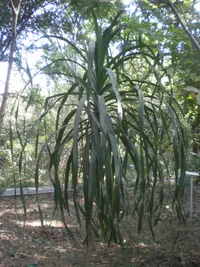
American pistachio, Pistacia mexicana, is a small to medium deciduous tree or large shrub from warm, arid to semi-arid regions of northern Mexico and the southern United States. It naturally occurs on rocky slopes, canyons, and well-drained hillsides, where it adapts to heat, sun, and seasonal drought.

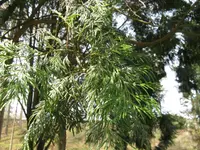
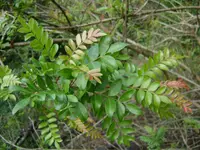
The plant forms an open, branching crown with leathery, pinnate leaves and can develop a rugged, picturesque shape over time. It is generally slow to moderate in growth and becomes more drought-tolerant once established.

For most gardeners, the main challenges in how to care for American pistachio involve providing strong light, avoiding poorly drained soils, and protecting young plants from severe freezes or prolonged wet conditions.

Main Plant Requirements

Care Difficulty

Moderate Care

Light Preference

Full Sun

Water Requirements

Low Water

Temperature Preference

Warm Climate

Hardiness Zone

8–11

Soil Texture

Sandy, Loamy, Rocky

Soil pH

Slightly acidic (6.5–7.0), Slightly alkaline (7.0–7.5)

Soil Drainage

Well-drained

Fertilization

Minimal (feed rarely)

Get Personalized Care Plan

Scan your plant to receive care tips personalized for your specific plant

Available on iOS and Android

How to Care for the American pistachio

This drought-adapted small tree performs best in open, bright sites with strong sun exposure.

  • Provide 6–10 hours of direct sun daily; full sun is ideal, but light afternoon shade in very hot inland areas reduces leaf scorch.
  • Young or newly transplanted American pistachio trees benefit from filtered light during their first summer, then can be transitioned to more direct sun.
  • In dense partial shade (less than 4 hours direct sun), expect sparse growth and reduced flowering; thin overstory branches if needed to increase light, especially in spring.

This species is highly drought tolerant and prefers infrequent, deep watering once established.

  • Allow the top 5–8 cm of soil to dry before watering; in the ground, water deeply but infrequently, focusing on soaking the root zone rather than the trunk flare.
  • During the first 1–2 growing seasons, increase frequency in hot, dry periods, then gradually extend intervals as Pistacia mexicana roots down.
  • Watch for stress signals: yellowing, soft leaves and constant wet soil suggest overwatering, while crisp leaf edges and premature leaf drop indicate prolonged dryness.

This warm-climate tree thrives in hot, arid to semi-arid regions with mild winters.

  • Optimal growth occurs around 75–95°F (24–35°C); the tree handles typical summer heat if soil is not waterlogged and roots are mulched.
  • Mature plants can tolerate brief drops near 20–25°F (-6 to -4°C), but young trees are more tender and benefit from protection during hard freezes.
  • Avoid planting in frost pockets; repeated freezes below 20°F (-6°C) or sudden late spring frosts can damage new shoots, while extreme heat above 105°F (41°C) increases water stress.

This drought-adapted tree handles a wide humidity range and usually does not need humidity adjustment.

  • Ideal ambient humidity is around 30–50%, similar to typical indoor air in many US regions.
  • Leaves tolerate extended dry air if soil moisture is appropriate and roots are not waterlogged.
  • Humidity stress shows as tip burn combined with underwatering; address by adjusting watering rather than adding moisture to the air.

Pistacia mexicana prefers lean, well-aerated, fast-draining soil that does not stay wet.

  • Use a sandy or sandy-loam mix, such as 50% coarse sand, 30% loam or potting mix, and 20% fine gravel or perlite for structure.
  • Aim for slightly alkaline to neutral pH, roughly 7.0–8.0, avoiding strongly acidic mixes or heavy peat-based substrates.
  • Add small amounts of compost for organic matter, but keep the mix mineral-dominant to prevent excessive water retention and root rot.
  • Avoid compacted clay, poorly drained basins, or sites where water collects for more than a few hours after rain.

This species can be grown in containers when young, though long-term growth is easier in open ground.

  • Choose a deep, heavy container that resists tipping as the canopy becomes woody and top-heavy.
  • Select a mineral-heavy potting mix that drains quickly so the container does not hold water around the woody roots.
  • In hot climates, use light-colored or thick-walled pots to limit root-zone overheating and moisture swings.

This drought-adapted tree needs only light feeding in most garden soils.

  • Use a balanced slow-release fertilizer (such as 8-8-8 or 10-10-10) or a thin layer of compost in early spring for American pistachio.
  • Apply once per year during active growth, avoiding midsummer heat stress and late-season applications.
  • Use at 1/2–3/4 the labeled rate to prevent salt buildup and excessive leafy growth.
  • Skip feeding in winter or dormancy, especially in cooler regions or for container-grown plants.

Pistacia mexicana responds well to modest structural pruning to develop a strong canopy.

  • Carry out main pruning in late winter to very early spring before new growth begins.
  • Remove dead, diseased, crossing, or crowded branches to improve airflow and light penetration.
  • Thin or shorten lower limbs if a higher canopy or small shade tree form is desired.
  • Use sharp bypass pruners or a clean pruning saw, making cuts just outside the branch collar.

This species is typically grown in the ground, so transplanting is more common than long-term container culture.

  • Plan transplanting for late winter to early spring while the tree is dormant or just starting growth.
  • Look for circling roots, roots emerging from drainage holes, or slowed growth as signs container plants need a larger space.
  • Move up 1 container size or plant into a well-drained site, keeping the root flare at soil level.
  • Water deeply after planting, then keep soil evenly moist but not saturated for several weeks to reduce root stress.

Propagation of Pistacia mexicana is moderate in difficulty and usually done by seeds or semi-hardwood cuttings.

  • Collect ripe seeds in late summer to fall and clean off any remaining pulp.
  • Scarify or stratify seeds if recommended by the supplier, then sow in a well-draining, gritty mix kept slightly moist.
  • Take semi-hardwood cuttings in late summer, use rooting hormone, and place in bright, indirect light with high humidity.
  • Maintain temperatures around 70–80°F and avoid waterlogging to encourage steady rooting or germination.

This tree is moderately cold tolerant in warm-temperate and subtropical climates but may need winter attention in colder areas.

  • In marginal climates, apply a 5–8 cm mulch layer over the root zone, keeping it away from the trunk.
  • Wrap young trunks with breathable tree wrap where hard frosts occur to reduce bark injury.
  • Move container-grown plants into a bright, cool, frost-free area when temperatures drop below their hardiness limit.

Care Tips

Formative limb training

In the first 3–5 years, select 3–5 well-spaced scaffold branches and remove competing upright shoots to build a strong, open canopy that resists wind and supports future nut production.

Deep staking for wind

In windy sites, install 1–2 sturdy stakes on the windward side outside the root zone and secure the trunk loosely with flexible ties to reduce rocking and protect new root growth without constricting the bark.

Reflective mulch use

In hot, exposed locations, use a light-colored mineral mulch such as decomposed granite or small gravel to reduce soil heat extremes while still keeping the root collar dry and well aerated.

Salinity monitoring

If using well water or reclaimed water, test irrigation water and soil for salt levels every 1–2 years and leach the root zone with excess low-salinity water if leaf tips brown or growth slows despite otherwise correct care when growing American pistachio.

Trunk sunburn protection

On newly planted or heavily pruned trees, apply a 50% diluted white interior latex paint to the southwest-facing trunk and main limbs to prevent sunscald and bark cracking in intense summer sun.

Common Pests and Diseases

Pistachio psyllid

This pest feeds on young foliage and shoots, causing leaf cupping, yellowing, sticky honeydew, and possible sooty mold growth.

Solution

Prune out heavily infested shoots and hose down foliage with a firm stream of water to remove nymphs. For persistent problems, use insecticidal soap or a light horticultural oil, applied thoroughly to leaf undersides in the early morning and repeated as needed according to label directions.

Pistachio twig borer

This insect larvae tunnels into young twigs and small branches, leading to dieback of tips and reduced vigor.

Solution

Cut back and destroy affected twigs several inches below visible damage during dormancy or as soon as dieback is noticed. Encourage local beneficial insects by avoiding broad-spectrum insecticides, and keep the tree well watered and unstressed to better compartmentalize borer damage.

Verticillium wilt

This disease is caused by a soil-borne fungus that blocks water movement in the xylem, leading to sudden wilting, branch dieback, and sometimes one-sided canopy decline.

Solution

Remove and destroy severely affected branches and keep the tree on a consistent, moderate watering schedule to reduce stress. Avoid planting P. mexicana in soils known to be infested with Verticillium, and do not plant it after other susceptible hosts such as stone fruits, maples, or tomatoes in the same spot.

Alternaria leaf spot

This disease produces small dark lesions on leaves that can enlarge, coalesce, and cause early leaf drop in humid or poorly ventilated conditions.

Solution

Rake and dispose of fallen leaves to reduce fungal spores, and improve air circulation by thinning crowded interior branches. If leaf spotting is recurring and severe, use a labeled copper-based fungicide during wet periods, making sure to cover both leaf surfaces and to follow all timing and safety instructions.

Scale insects

These insects attach to stems and leaf midribs as small bumps, sucking sap and causing yellowing, reduced vigor, and honeydew that may support sooty mold.

Solution

Wipe or gently scrub small populations off twigs with a cloth or soft brush dipped in soapy water. For larger infestations, apply horticultural oil during the dormant season to smother overwintering stages, and repeat light oil or insecticidal soap sprays on active crawlers in spring as part of broader Pistacia mexicana plant care.

Interesting Facts

Dioecious desert tree

This species is dioecious, meaning individual trees are either male or female, so only female plants set fruit when a compatible male tree is nearby. This separation of sexes promotes cross‑pollination and maintains genetic diversity in natural populations.

Specialist butterfly host

In its native range, this tree serves as a key larval host for the two‑tailed swallowtail butterfly, which relies on its foliage as a primary food source for caterpillars. This interaction makes the species ecologically important for sustaining local butterfly populations.

Drought and lime tolerance

The species is adapted to arid and semi‑arid habitats with alkaline, limestone‑derived soils and can persist on rocky slopes and canyons with low water availability. Its deep root system and tough, leathery leaves help reduce water loss and survive long dry periods.

Botan icon

Did you know?

Pistacia mexicana naturally forms hybrid swarms with the closely related Pistacia texana in parts of Texas and northeastern Mexico, creating populations where individuals show intermediate traits and making species identification challenging even for specialists.

FAQs about American pistachio

This tree grows at a moderate rate, often adding 20–40 cm of height per year in suitable conditions. Over time it can form a small to medium tree with a broad, rounded crown.

Grow Healthy Plants with Botan Care

Keep your plants happy and healthy with plant identification, disease detection, and easy care guidance.

Botan plant care app — identify plants on mobile

Explore More Plants