Leonia glycycarpa Care

Leonia glycycarpa

About Leonia glycycarpa

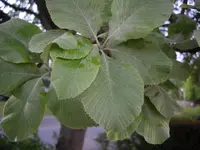
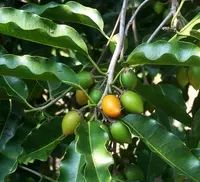
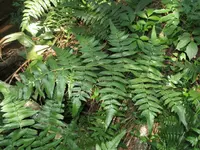
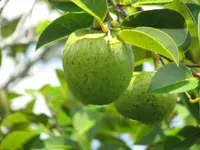
Leonia glycycarpa is a little-known woody plant from tropical South America, where it grows in warm, humid forest habitats. It is typically a shrub or small tree with simple green leaves and modest, not highly ornamental, flowers followed by fleshy fruits.

In cultivation it is uncommon and mainly of interest to collectors or for research plantings. Its natural origin suggests a preference for consistently warm conditions, good light without harsh exposure, and evenly moist, well-drained soil.

Because it is rarely grown, practical information on how to care for Leonia glycycarpa is limited, so growers often rely on general guidelines for similar tropical understory shrubs.

Main Plant Requirements

Care Difficulty

Moderate Care

Light Preference

Partial Shade

Water Requirements

Moderate Water

Temperature Preference

Warm Climate

Hardiness Zone

Unknown

Soil Texture

Loamy, Organic-rich

Soil pH

Acidic (5.5–6.5)

Soil Drainage

Well-drained

Fertilization

Minimal (feed rarely)

Get Personalized Care Plan

Scan your plant to receive care tips personalized for your specific plant

Available on iOS and Android

How to Care for the Leonia glycycarpa

This species prefers bright, warm conditions similar to its native tropical forest edge light.

  • Provide 4–6 hours of soft light daily, ideally morning sun with light afternoon shade to prevent leaf scorch.
  • Leonia glycycarpa grows best in bright, filtered light under sparse canopy or alongside taller plants, tolerating light to moderate partial shade.
  • In hotter months, protect from harsh midday sun, while in cooler seasons allow more direct morning sun to maintain compact growth and fruiting.

This plant prefers evenly moist, well-draining soil that never stays saturated for long periods.

  • Water when the top 3–5 cm of soil feel dry, applying enough water to moisten the root zone but allowing excess to drain away fully.
  • Use a loose, well-drained soil rich in organic matter to reduce waterlogging risk; standing water or heavy clay strongly increases root rot risk.
  • In warm, active growth, drying happens faster and leaf wilt or dull color indicates underwatering; in cooler seasons, slow growth and yellowing leaves often signal overwatering.

This tropical shrub or small tree grows best in steadily warm, frost-free conditions.

  • Aim for 70–85°F (21–29°C) during active growth, as this range supports consistent leaf and shoot development.
  • Avoid temperatures below 50°F (10°C); brief drops near this level may slow growth, while light frost can damage foliage and young stems.
  • In hot climates, plants tolerate short periods up to about 95°F (35°C) if soil moisture is maintained and roots are shaded, but prolonged extreme heat stresses the plant.

This species prefers moderately humid air and can struggle in very dry indoor conditions.

  • Aim for 50–70% humidity; it tolerates brief dips lower but prolonged air below 40% can slow growth.
  • Crisping leaf edges, rolling leaves, or stalled new growth indicate humidity stress rather than underwatering.
  • Increase humidity with a nearby humidifier, grouping plants together, or placing the pot on a pebble tray, avoiding wet pot bases.

Leonia glycycarpa grows best in loose, well‑aerated, organically enriched soil that drains freely yet holds some moisture.

  • Use a loamy mix built from roughly 50% composted organic matter, 30% coarse sand, and 20% perlite or pumice for structure and porosity.
  • Ensure rapid drainage so water never pools around the roots; water should pass through the mix within seconds, not minutes.
  • Target a slightly acidic to neutral pH around 6.0–7.0, avoiding highly alkaline substrates that can lock up nutrients.
  • Improve heavy or compact garden soil by incorporating coarse sand, fine bark, and perlite until it crumbles easily in the hand.

This species can be grown in containers if the pot provides enough root volume and stable drainage.

  • Choose a deep, heavy pot that resists tipping as the plant gains height and biomass above the soil line.
  • Select unglazed clay or another breathable material to help excess moisture evaporate from the root zone between waterings.
  • Elevate the container on feet so drainage holes stay clear and excess water leaves the root zone quickly after irrigation.

This species is usually adapted to low-nutrient soils, so fertilization for Leonia glycycarpa should be light and conservative.

  • Use a balanced, slow-release fertilizer (for example 10-10-10) or well-rotted compost at the start of the growing season.
  • Apply once per year in spring if growth or leaf color appears weak, avoiding direct contact with the trunk.
  • Dilute liquid feeds to 1/2 strength and apply to moist soil only, never to dry roots.
  • Stop feeding in late summer to allow tissues to harden and avoid soft, frost-sensitive growth.

Pruning Leonia glycycarpa focuses on safety, structure, and light management rather than heavy shaping.

  • Carry out structural pruning in late winter or very early spring, before active growth begins.
  • Remove dead, diseased, crossing, or storm-damaged branches using clean, sharp bypass pruners or a pruning saw.
  • Thin congested interior branches to improve air flow and light penetration without removing large limbs at once.
  • Limit canopy reduction to small, well-planned cuts to maintain natural form and reduce stress on the tree.

This tree is usually grown in the ground, so care focuses on transplanting young Leonia glycycarpa specimens rather than long-term container culture.

  • Transplant in late winter or early spring when the plant is dormant and temperatures are mild.
  • Look for circling roots, severe root binding, or stunted growth in containers as signs a larger site is needed.
  • Move up only 1–2 pot sizes or into a well-prepared ground hole with loose, well-drained backfill.
  • Water deeply after planting, keep soil evenly moist (not waterlogged), and shade the canopy temporarily to reduce transplant shock.

Propagation of Leonia glycycarpa is typically done by seed and is considered a slow, long-term project.

  • Collect ripe seed from healthy trees and clean away pulp before sowing.
  • Sow in a free-draining, slightly fertile mix, just covering the seeds, and keep at 70–80°F with consistent moisture.
  • Use deep containers or seedbeds to allow strong taproot formation without circling.
  • Expect variable and sometimes slow germination; maintain steady warmth and avoid letting the medium dry out completely.

This species is generally suited to warm, frost-free or only lightly frosty climates and benefits from basic winter protection in colder areas.

  • In regions with frost, add a 5–8 cm mulch layer around the root zone, keeping it away from the trunk.
  • For young or marginally hardy trees, wrap the lower trunk with breathable horticultural fleece during cold snaps.
  • Container-grown plants in cool climates should be moved into a bright, frost-free space before temperatures fall near freezing.

Care Tips

Provide climbing support

Install a sturdy trellis or horizontal wire system early, then loosely tie young shoots with soft ties so the plant can develop a well-structured framework that improves flowering and fruit access.

Manage fruit load

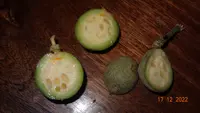
Thin excess developing fruits by hand, leaving only 1–2 per cluster, which helps direct energy into larger, better-quality berries and reduces stress on young branches.

Mulch root zone

Apply a 5–8 cm layer of coarse organic mulch around the root area, keeping it a few cm away from the stem, to stabilize soil moisture, protect surface roots, and suppress weeds without waterlogging the crown.

Monitor for scale

Inspect stems and leaf undersides regularly for scale insects and, if found, remove them early with a soft brush or horticultural oil spray to prevent honeydew, sooty mold, and general decline.

Plan for seasonal training

After the main flush of growth, selectively tie or redirect long, flexible shoots to fill gaps in the support structure, which creates a balanced canopy and simplifies long-term caring for Leonia glycycarpa.

Common Pests and Diseases

Scale insects

This pest attaches to young stems and the underside of leaves, sucking sap and causing yellowing, stunting, and honeydew deposits that can lead to sooty mold. Symptoms include rough, bump-like structures that are hard to remove with a fingernail.

Solution

Prune heavily infested twigs, then wipe remaining colonies with cotton pads dipped in 70% isopropyl alcohol or a mild insecticidal soap solution. For outdoor plants, encourage natural predators such as lady beetles and parasitic wasps, and repeat treatments every 7–10 days until new growth appears clean; this is a key part of practical Leonia glycycarpa care instructions in cultivation plots and home gardens.

Leaf miners

These insects create winding, pale tunnels inside the leaf blade, which can distort young foliage and reduce vigor in seedlings or young shrubs. This pest is most noticeable on tender new leaves in full sun or nursery conditions.

Solution

Remove and destroy mined leaves as soon as damage is seen to break the life cycle, especially on small plants or seedlings. Where pressure is high, use fine-mesh insect netting over young plants and apply a neem oil or spinosad-based spray targeted to the leaf undersides, repeating according to label directions until new flushes of growth emerge without tunnels.

Cercospora leaf spot

This disease causes small, circular to irregular brown or purplish spots with lighter centers on older leaves, which can coalesce and lead to premature leaf drop in humid, shaded plantings. Symptoms include more severe spotting on lower, densely shaded foliage with poor air movement.

Solution

Collect and dispose of fallen leaves, and thin surrounding vegetation to improve light penetration and airflow around the shrub. Avoid overhead watering, irrigate at soil level in the morning, and where the disease recurs, apply a copper- or chlorothalonil-based fungicide at the start of the rainy season, following label instructions and focusing on the lower, inner canopy.

Anthracnose

This disease produces dark, sunken lesions along young shoots and leaf veins, sometimes leading to tip dieback and distorted new growth during extended wet periods. Symptoms include blackened, blighted leaf tips and small cankers on tender twigs.

Solution

Prune and destroy affected shoot tips well below visible damage and disinfect tools between cuts with 70% alcohol. Improve drainage and spacing, avoid wetting foliage late in the day, and in high-rainfall areas consider preventive fungicide sprays based on copper or azoxystrobin at bud break and during prolonged wet weather.

Fruit-boring moth larvae

These insects bore into developing fruits, causing premature fruit drop, internal decay, and reduced seed viability, which is relevant where the species is grown for edible or research use. Symptoms include tiny entry holes, frass near the calyx, and fruits that ripen unevenly or collapse early.

Solution

Collect and destroy dropped and visibly damaged fruits regularly to reduce larval carryover to the next season. For orchards or small production plots, use light traps or pheromone traps where available to monitor adult activity and bag individual fruits or clusters with fine paper or mesh sleeves once they reach small marble size to physically exclude egg-laying adults.

Interesting Facts

Amazonian understory shrub

This species is a small understory shrub native to lowland Amazonian forests, where it grows in the shaded mid‑layer beneath taller canopy trees.

Specialized fruit structure

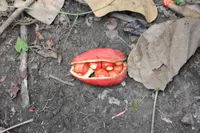
It produces berry-like fruits with a sweet, pulpy interior that encloses the seeds, an adaptation that facilitates dispersal by fruit-eating animals in its native habitat.

FAQs about Leonia glycycarpa

This species performs best outdoors in warm, humid, frost-free climates that resemble its native forest conditions. Indoors it is challenging, needing strong light, high humidity, and space, so most growers treat indoor cultivation as temporary or experimental.

Grow Healthy Plants with Botan Care

Keep your plants happy and healthy with plant identification, disease detection, and easy care guidance.

Botan plant care app — identify plants on mobile

Explore More Plants