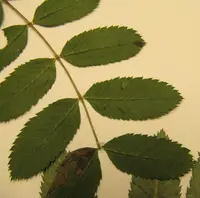
Chinese apes-earring Care (Archidendron lucidum)

Chinese apes-earring

About Chinese apes-earring

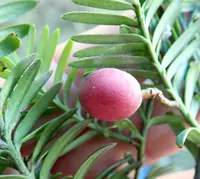
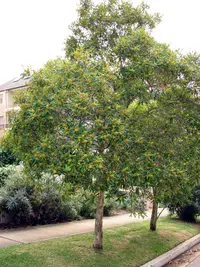
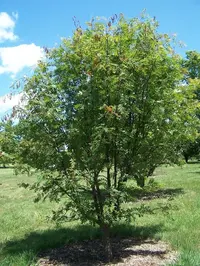
Chinese apes-earring (Archidendron lucidum) is a small to medium tropical tree known for its finely divided, feathery foliage and decorative seed pods. It has a light, airy canopy that can look elegant in warm gardens or large indoor spaces.

This species is native to parts of Southeast Asia, where it grows in warm, humid forests. It is moderately demanding, as it prefers stable warmth, consistent moisture, and a free-draining but fertile soil. Understanding how to care for Chinese apes-earring starts with providing bright light, protection from cold, and avoiding waterlogged conditions.

Main Plant Requirements

Care Difficulty

Moderate Care

Light Preference

Partial Shade

Water Requirements

Moderate Water

Temperature Preference

Tropical / Frost Sensitive

Hardiness Zone

11–12

Soil Texture

Loamy, Sandy, Organic-rich

Soil pH

Acidic (5.5–6.5), Slightly acidic (6.5–7.0)

Soil Drainage

Moist but well-drained

Fertilization

Minimal (feed rarely)

Get Personalized Care Plan

Scan your plant to receive care tips personalized for your specific plant

Available on iOS and Android

How to Care for the Chinese apes-earring

Archidendron lucidum prefers bright conditions with some protection from harsh midday sun.

  • Provide 4–6 hours of direct morning sun with light shade or filtered light from midday onward, especially in hotter climates.
  • Tolerates partial shade (2–4 hours of direct or dappled sun), but very dense shade leads to sparse growth and fewer Chinese apes-earring flowers.
  • In summer, protect from intense afternoon sun to avoid leaf scorch; in cooler months, allow more direct light to support strong growth and flowering.

This species prefers evenly moist, well-drained soil rather than extremes of wet or dry.

  • Water when the top 3–5 cm of soil feels dry, letting water soak deeply, then drain fully to avoid standing water around the roots.
  • In warm growing seasons, expect to water more often, while in cooler months reduce frequency so the soil surface dries slightly between waterings.
  • Watch for yellowing, soft leaves as a sign of overwatering and dry, curling, or browning leaf edges as an indicator of underwatering in Archidendron lucidum.

This subtropical tree grows best in consistently warm, frost-free conditions.

  • Ideal growth occurs around 70–85°F (21–29°C), with steady warmth promoting strong shoots and flowering.
  • It tolerates brief drops to about 40°F (4°C), but foliage damage and stress increase as temperatures approach this minimum.
  • Avoid frost and prolonged cold below 40°F (4°C), and provide light shade plus reliable soil moisture during hot spells above 90°F (32°C) to limit heat stress.

This species prefers moderately humid air and can adapt to typical indoor levels with some support.

  • Aim for 50–70% humidity; it tolerates brief dips lower but grows best with steady moisture in the air.
  • Dry air causes leaf-edge browning, curling, and slower growth on Chinese apes-earring.
  • Use a pebble tray, clustered plants, or a small humidifier near the plant instead of misting foliage.

This tree prefers deep, fertile, moisture-retentive but well-drained soil for stable growth.

  • Use a loamy mix with 40–60% organic matter such as compost plus mineral components like coarse sand or fine gravel.
  • Ensure fast drainage; water should drain within a few minutes and the surface should not stay waterlogged for more than 12–24 hours.
  • Target a slightly acidic to neutral pH around 6.0–7.0 for Archidendron lucidum to support nutrient uptake and root health.
  • Avoid heavy, compacted clay or mixes rich in fine peat alone; add perlite or pine bark to improve aeration and structure.

This species can be grown in large containers for some years, especially in mild climates.

  • Choose a wide, heavy container to counterbalance the developing woody canopy and reduce tipping in wind.
  • Provide a pot depth that allows a broad, fibrous root system, not just a narrow, tall column of soil.
  • Use a container material with moderate porosity, such as thick-walled terracotta, to reduce sudden moisture swings in warm weather.

Archidendron lucidum benefits from modest, controlled feeding rather than heavy fertilization.

  • Use a balanced NPK granular or slow-release fertilizer, or a light top-dressing of compost, for Chinese apes-earring in active growth.
  • Feed once at the start of spring and again in midsummer for container or young landscape plants only.
  • Apply at 50–75% of label strength to avoid excess, and always water in well afterward.
  • Stop feeding in late summer so new growth hardens before cooler weather.

Archidendron lucidum responds well to light, structured pruning to maintain a healthy canopy.

  • Schedule main pruning in late winter or early spring before vigorous growth starts.
  • Remove dead, diseased, crossing, or crowded branches to improve airflow and light penetration.
  • Shorten overly long shoots to refine shape, encouraging a balanced, multi-stemmed form.
  • Use clean, sharp hand pruners or loppers, making smooth cuts just outside the branch collar.

This species is usually grown in the ground, so focus on careful transplanting rather than frequent repotting.

  • Transplant in late winter or early spring when growth is slower and conditions are mild.
  • Look for circling roots, a pot-bound rootball, or poor vigor in containers as signs it needs a larger space.
  • Move up 1–2 pot sizes or into a prepared ground site with well-drained soil and similar light conditions.
  • Handle roots gently, keep the rootball intact, water deeply after planting, and shade temporarily to limit stress.

Archidendron lucidum is typically propagated from seed with some potential for semi-hardwood cuttings.

  • Collect fresh, ripe seeds and sow in spring in a free-draining, slightly acidic seed mix.
  • Scarify or soak seeds in lukewarm water for 12–24 hours to improve germination speed.
  • Maintain 70–80°F, consistent moisture, and bright, indirect light until seedlings establish.
  • For cuttings, use semi-hardwood tips with rooting hormone, high humidity, and bottom warmth to encourage rooting.

This warm-climate tree is sensitive to hard frost and needs some attention in colder regions.

  • In mild climates, established in-ground plants usually need only basic mulching in winter.
  • Apply a 5–8 cm mulch layer around the root zone, keeping material slightly away from the trunk.
  • Move container plants indoors or into a frost-free greenhouse when temperatures approach 32°F.
  • In marginal zones, wrap young trunks with breathable horticultural fleece during cold snaps.

Care Tips

Early structural training

Select 1 strong central stem when the plant is young, stake it lightly, and remove competing low side shoots to develop a stable small-tree framework that will better carry the canopy as it matures.

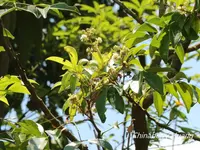
Wind and weight support

In windy sites or where pods set heavily, use 2–3 sturdy stakes and soft ties set slightly away from the trunk to prevent rocking, which can damage fine roots and slow growth.

Root zone protection

Maintain a permanent organic mulch ring 5–8 cm deep over the root zone, keeping it 5–8 cm away from the trunk, to protect surface feeder roots, buffer soil temperature, and reduce weed competition.

Seasonal canopy thinning

At the end of winter, selectively thin crowded inner branches rather than tipping all shoots, which improves light and air movement through the crown and lowers the risk of fungal issues during the wet season.

Preventive pest scouting

From spring through late summer, inspect young shoots and the undersides of leaves every 1–2 weeks for sap-sucking insects and sooty mold, so that any infestation can be managed early with targeted treatment as part of caring for Chinese apes-earring.

Common Pests and Diseases

Asian pod borer

This pest tunnels into developing seed pods, causing premature pod drop and poor seed set. Symptoms include small entry holes, frass inside pods, and shriveled seeds.

Solution

Remove and destroy all infested pods as soon as damage is noticed to break the life cycle. For trees grown for seed or ornamental pods, use light traps to monitor adult moths and apply a targeted biological product containing Bacillus thuringiensis (Bt) to young pods in the evening when caterpillars are small and active, and keep the canopy well pruned to improve spray coverage.

Leaf miner larvae

These insects feed between the upper and lower leaf surfaces, leaving pale, winding tunnels and thin, papery patches on the pinnate leaflets. Severe infestations can lead to partial defoliation on young trees.

Solution

Prune and dispose of heavily mined leaves to remove larvae before they mature. Encourage natural predators by avoiding broad-spectrum insecticides, and if needed apply a systemic insecticide labeled for leaf miners as a soil drench to protect new growth during peak activity periods.

Scale insects

This pest attaches firmly to stems and leaf midribs, sucking sap and weakening the tree. Symptoms include sticky honeydew, sooty mold on leaves, and slow growth, especially on container or landscape trees under stress.

Solution

Wipe or gently scrub accessible stems with a cloth or soft brush dipped in mild soapy water to remove scales, then rinse foliage. For larger trees with repeated infestations, use a horticultural oil spray during mild weather to smother the insects and consider a systemic soil drench for long-lasting Archidendron lucidum care in regions where scale pressure is high.

Powdery mildew

This disease appears as white to gray powdery patches on leaf surfaces, often on shaded or crowded branches. Infected leaflets can yellow, curl slightly, and drop early, reducing the tree’s vigor.

Solution

Improve airflow by thinning dense branches and avoiding overhead watering late in the day. Remove and discard heavily infected leaves, and if conditions stay humid, apply a sulfur or potassium bicarbonate fungicide labeled for ornamental trees, coating both upper and lower leaf surfaces.

Cercospora leaf spot

This disease causes small, dark, circular to irregular spots on the leaflets that may merge into larger blotches. Symptoms include yellow halos around spots and early leaf drop, especially after extended warm, wet periods.

Solution

Collect and discard fallen leaves to reduce the source of infection and avoid wetting foliage when irrigating. If leaf drop is repeated year after year, apply a copper- or chlorothalonil-based fungicide at the start of the rainy season, repeating according to label directions while maintaining good spacing and pruning to keep the canopy dry after rain.

Interesting Facts

Evergreen rainforest legume

This species is an evergreen tree in the pea family (Fabaceae) that naturally grows in warm, humid lowland forests of southern China and nearby regions, where it contributes to nitrogen enrichment of the soil through root nodules that host symbiotic bacteria.

Twisted ornamental pods

After flowering, the tree produces distinctive, often twisted seed pods that can be reddish to brown when mature and are valued in its native range as an ornamental feature on the tree and after they fall.

Support for local fauna

In its native habitat, the canopy and branching structure offer shelter and perching sites for insects, birds, and small arboreal animals, making it a minor but consistent structural component in mixed evergreen forests.

FAQs about Chinese apes-earring

Growth is moderately fast in warm, frost-free climates, especially during the rainy season. Young plants can add 30–60 cm per year, slowing as they approach tree size. Rich soil and consistent moisture support better annual extension growth.

Grow Healthy Plants with Botan Care

Keep your plants happy and healthy with plant identification, disease detection, and easy care guidance.

Botan plant care app — identify plants on mobile

Explore More Plants