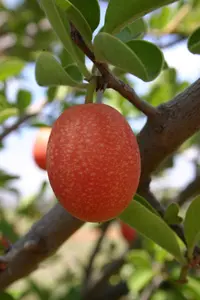
Lemon Tree Care (Citrus x limon 'Eureka')

About Lemon Tree

Lemon tree Citrus x limon 'Eureka' is an evergreen fruit tree commonly grown in warm climates and in containers on patios or bright indoor spaces. It has glossy green leaves, fragrant white flowers, and produces classic yellow lemons over much of the year.

This cultivar tends to crop reliably and has a compact, branching habit that suits home gardens and large pots. It is moderately demanding, as it needs consistent light, warmth, and moisture to stay healthy and productive.

Understanding how to care for Lemon Tree helps prevent common issues such as leaf drop or poor flowering. It generally prefers strong light, good air movement, and well-drained, slightly acidic soil.

Main Plant Requirements

Care Difficulty

Moderate Care

Light Preference

Full Sun

Water Requirements

Moderate Water

Temperature Preference

Tropical / Frost Sensitive

Hardiness Zone

9–11

Soil Texture

Sandy, Loamy, Organic-rich

Soil pH

Strongly acidic (4.5–5.5), Acidic (5.5–6.5)

Soil Drainage

Moist but well-drained

Fertilization

Moderate (every 2–4 weeks)

Get Personalized Care Plan

Scan your plant to receive care tips personalized for your specific plant

Available on iOS and Android

How to Care for the Lemon Tree

Citrus x limon 'Eureka' needs abundant direct light to flower and fruit reliably.

  • Provide 6–8 hours of direct sun daily; morning sun with light afternoon shade suits hot inland climates best.
  • In mild coastal areas, full sun all day is usually tolerated, but monitor young Lemon Tree foliage for scorch during heatwaves.
  • Partial shade (3–4 hours direct sun) reduces flowering and fruit set, especially in winter, so avoid heavy shade from buildings or trees.

Citrus x limon 'Eureka' prefers evenly moist but not saturated soil.

  • Water when the top 3–5 cm of soil are dry, then soak the root zone deeply so moisture reaches 20–30 cm down.
  • In hot, dry summer conditions, expect more frequent watering; reduce frequency in cool or rainy seasons to prevent root rot.
  • Signs of overwatering include yellowing leaves and soft roots, while curled, dry leaves and hard soil indicate underwatering; always ensure sharp drainage.

This lemon tolerates a range of temperatures but is sensitive to frost and extreme heat stress.

  • Aim for 65–85°F (18–29°C) for active growth, with best flowering and fruiting near 70–80°F (21–27°C).
  • Protect from frost; damage often occurs below 30°F (-1°C), and young growth can be harmed even at 32°F (0°C).
  • In heat above 95°F (35°C), provide light afternoon shade and maintain soil moisture to limit leaf scorch and fruit drop.

This citrus tolerates typical indoor humidity but benefits from slightly elevated levels.

  • Aim for 40–60% humidity to reduce leaf drop and improve overall vigor in a Lemon Tree.
  • Dry indoor air may cause curling leaves, crispy tips, and premature bud drop, especially in heated rooms.
  • Increase humidity by grouping plants, placing the pot on a pebble tray with water below the base, or running a nearby humidifier.

This plant needs a sharply draining, slightly acidic growing medium to avoid root problems.

  • Use a loose, sandy-loam mix with 30–40% inorganic material such as perlite, coarse sand, or fine bark for strong Citrus x limon 'Eureka' root health.
  • Target pH around 6.0–6.5, avoiding alkaline mixes that can cause nutrient lockout and leaf yellowing.
  • Blend in a modest amount of compost for organic matter but keep the mix open so water drains through within seconds, not minutes.
  • Avoid heavy garden soil, peat-only mixes, or compacted containers that hold water around the roots and limit aeration.

This species is well suited to container growing when stability and drainage are carefully managed.

  • Choose a wide, heavy pot to counter the plant’s top-heavy canopy and reduce tipping in wind-prone outdoor spots.
  • Select a tall container that allows a deep root zone while keeping the upper 5–8 cm free to prevent soil overflow during watering.
  • Opt for unglazed clay if extra evaporation is needed in humid climates, or a thicker plastic pot where slower moisture loss is preferred.

Consistent feeding supports strong growth and fruiting in Citrus x limon 'Eureka'.

  • Use a balanced citrus fertilizer (for example 2-1-1 or 3-1-1 NPK) or slow-release citrus formula for container plants.
  • Feed every 4–6 weeks during the active growing season (spring–late summer), following label rates at 50–75% strength for potted trees.
  • Reduce or stop feeding in fall and winter when growth slows, especially for indoor Lemon Tree plants.
  • Water before and after applying fertilizer to limit root burn and help nutrients move into the root zone.

Thoughtful pruning keeps Citrus x limon 'Eureka' productive, well-shaped, and manageable in size.

  • Do main pruning in late winter or very early spring, before strong new growth starts.
  • Remove dead, diseased, crossing, or inward-growing branches to improve airflow and light penetration.
  • Shorten overly long shoots to maintain a balanced canopy and support stronger flowering and fruiting wood.
  • Use sharp, clean bypass pruners, making angled cuts just above outward-facing buds or side branches.

Container-grown Citrus x limon 'Eureka' benefits from periodic repotting to maintain healthy roots and growth.

  • Check for roots circling the pot, growing from drainage holes, or slowed growth as signs it needs a larger container.
  • Plan to repot every 2–3 years in late winter or early spring, just before new growth begins.
  • Choose a pot 1–2 in wider with drainage holes and use a well-draining citrus or gritty potting mix.
  • Loosen circling roots gently, trim damaged ones, keep the root ball slightly elevated, water thoroughly, then shade from strong sun for several days to reduce stress.

New Citrus x limon 'Eureka' plants are most reliably produced from semi-hardwood cuttings under warm, humid conditions.

  • Take 10–15 cm semi-hardwood cuttings in late spring or summer from healthy, non-flowering shoots.
  • Remove lower leaves, lightly wound the base, and dip in rooting hormone to encourage root formation.
  • Insert cuttings into a sterile, sharply draining mix (for example perlite and peat or coco coir) and keep at 70–80°F.
  • Maintain bright, indirect light, high humidity, and even moisture until firm rooting develops, then gradually acclimate to drier air and stronger light.

Cool-season care is important because Citrus x limon 'Eureka' is sensitive to freezing temperatures.

  • Keep outdoor trees above about 28°F; sustained colder conditions can damage foliage, flowers, and young wood.
  • Mulch the root zone with 5–8 cm of organic material, keeping it a few cm away from the trunk to insulate soil.
  • Wrap young trunks with breathable tree wrap or frost cloth during cold snaps to reduce bark injury.
  • Move container plants indoors or into a bright, frost-free space, and reduce watering while growth is slow.

Care Tips

Rotate For Balance

Turn the container 90° every 1–2 weeks so branches develop evenly and the canopy stays stable, which reduces the risk of limbs snapping under fruit weight.

Thin Young Fruit

Once fruits reach marble size, remove excess so that only 1–2 lemons remain per cluster, which improves fruit size, reduces limb stress, and helps the tree maintain vigor.

Support Heavy Branches

Use soft ties and a sturdy stake or cane to support branches carrying many lemons, setting the support before fruits are full-sized to prevent bark damage and sudden breakage.

Manage Root Circling

For container plants, slide the root ball out every 1–2 years and slice or tease apart circling roots before repotting to keep the tree from becoming root-bound and declining.

Seasonal Pest Scouting

Inspect young leaves, stems, and the undersides of foliage weekly in warm seasons, and treat early signs of scale, spider mites, or leaf miners with horticultural oil as part of caring for Lemon Tree in a preventive way.

Common Pests and Diseases

Citrus leaf miner

This pest creates winding, silvery tunnels inside young leaves, causing distortion and reduced growth. Symptoms include curled, twisted new foliage with translucent trails just under the surface.

Solution

Prune and dispose of heavily damaged soft new shoots, then reduce excessive flushes of tender growth by avoiding high-nitrogen fertilizer. For active infestations, use horticultural oil on new flushes every 7–14 days, applying in the evening to avoid leaf burn, and avoid pruning during peak moth activity so natural predators can build up.

Citrus red mite

These insects feed on leaves, causing stippling, yellowing, and a dull, dusty appearance, especially in hot, dry weather. Fine webbing may be present on the undersides of heavily infested leaves.

Solution

Rinse foliage thoroughly with a firm stream of water, focusing on leaf undersides, and repeat weekly until numbers drop. If needed, apply horticultural oil or insecticidal soap, rotating products and improving humidity and air movement to reduce stress on the tree and support natural predators, which is an important part of Citrus x limon 'Eureka' plant care.

Citrus canker

This disease causes raised, corky lesions with yellow halos on leaves, fruit, and sometimes twigs. Symptoms include premature leaf and fruit drop and cosmetic damage to fruit rind.

Solution

Remove and dispose of infected leaves and fruit away from other citrus, disinfecting tools between cuts with 70% alcohol or a 10% bleach solution. Avoid overhead watering, protect foliage from wind-driven rain where possible, and in high-risk outdoor areas use copper-based sprays as a preventative measure during warm, wet periods according to label directions.

Greasy spot

This disease produces yellow, then dark, greasy-looking spots on older leaves, often leading to early leaf drop. Symptoms include thin canopies and reduced vigor over time if not controlled.

Solution

Rake and remove fallen leaves that harbor the fungus, and avoid overhead irrigation that keeps foliage wet for long periods. Where the disease is common outdoors, apply copper or labeled fungicides in mid to late summer, timing treatments to protect new leaves and ensuring good spacing and airflow around the tree.

Citrus gummosis

This disease causes bark cracking and oozing amber-colored sap (gum) near the base of the trunk or on lower limbs, often associated with Phytophthora infection. Symptoms include bark discoloration, cankers, and gradual decline if the affected area girdles the trunk.

Solution

Expose the affected trunk area to air by gently scraping off loose, dead bark, keeping the crown area dry and free from mulch contact. Improve drainage, avoid water pooling around the trunk, irrigate at the drip line rather than the base, and use a labeled phosphonate or Phytophthora-targeting fungicide drench if decline continues, following all product directions carefully.

Interesting Facts

Year‑round flowering habit

Eureka lemon trees are known for producing flowers and fruit almost continuously in mild climates, rather than in a single distinct season, which is unusual among many citrus cultivars.

Few seeds in fruit

The lemons of this cultivar typically contain few to no seeds, a trait that has made it a standard commercial variety for fresh use and cooking.

California selection origin

The Eureka lemon originated in California in the late 19th century from a seedling of the Italian Lunario type and was quickly adopted as a major commercial cultivar in the United States.

Botan icon

Did you know?

Eureka lemon became one of the dominant supermarket lemons in the US because it adapted well to coastal California conditions, allowing large, consistent crops that supported the expansion of the American lemon industry through the 20th century.

FAQs about Lemon Tree

Yellowing leaves often result from nutrient deficiency, especially nitrogen or iron, or from poor drainage and waterlogged roots. Check for compacted soil, overwatering, or lack of fertilizer, and correct gradually rather than all at once.

Grow Healthy Plants with Botan Care

Keep your plants happy and healthy with plant identification, disease detection, and easy care guidance.

Botan plant care app — identify plants on mobile

Explore More Plants