

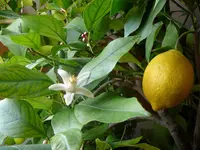

Lemon Tree (Citrus x limon 'Eureka') Light Needs

Lemon Tree grows best in full sun, with several hours of direct light every day.

Light Preference

Full Sun

Citrus x limon 'Eureka' Light Requirements

In cultivation, this citrus is grown in warm, open sites where the canopy receives strong sun for much of the day. Leaves are adapted to bright exposure, but tender indoor growth can scorch if moved suddenly into hot outdoor sun.

These conditions explain why container-grown plants usually struggle in dim rooms and improve when light is increased gradually, especially during active growth. Preferred light is full sun.

  • Ideal exposure:

    Lemon Tree needs about 6–8 hours of full sun daily, including at least 4–6 hours of direct sun for strong growth.

  • Direct sun tolerance:

    Established plants tolerate full sun well, but indoor leaves need gradual acclimation before intense outdoor exposure.

  • Part sun limit:

    Part sun is tolerated, but fewer than 4 hours of strong light often reduces flowering and fruiting.

  • Hot afternoon sun:

    Morning and midday sun are useful; hot afternoon sun through glass may need distance or light filtering.

Indoors, place this plant where it receives the longest, strongest sun available.

NPoor
North-facing window:

A north-facing window is usually too dim for strong growth, flowering, or fruit development.

EConditional
East-facing window:

An east-facing window can work if it provides several hours of direct morning sun, but it may be too weak in winter.

SBest
South-facing window:

A south-facing window is usually the best indoor option because it gives the longest direct sun exposure.

WSuitable
West-facing window:

A west-facing window is suitable if the plant is acclimated and kept far enough from hot glass to prevent scorching.

Keep the canopy as close to strong natural light as practical without pressing leaves against hot glass.

Excess light is most likely after a sudden move or during hot glass-amplified sun.

Bleached patches:

Pale tan or whitish areas may appear on leaf surfaces facing the strongest sun.

Crisp sun spots:

Dry, papery marks can form where direct rays hit the same leaf area repeatedly.

Hot-side curling:

Leaves may curl or dull during intense afternoon exposure, especially close to warm glass.

Fruit sunscald:

Exposed fruit can develop pale or brownish patches on the side facing harsh sun.

Move the plant back from the glass or add light filtering during the hottest hours. Reintroduce stronger direct sun gradually over 1–2 weeks.

Low light usually shows as weak growth before severe decline. Citrus x limon 'Eureka' is not suited to shade.

  • Stretched shoots:

    New stems may grow long and thin as they reach toward the brightest direction.

  • Wide leaf spacing:

    Leaves may appear farther apart along new growth, giving the canopy a sparse look.

  • Few flowers:

    Flowering and fruit set often decline when the plant does not receive enough direct sun.

  • Small new leaves:

    Fresh growth may stay smaller than older leaves during the active growing season.

Move it to a brighter exposure with more direct sun, increasing light gradually if the change is large. Rotate after moving so growth stays balanced.

If full sun is limited, choose the brightest available position and prioritize several hours of direct morning or midday light over all-day dim brightness.

Rotate the container every 1–2 weeks so each side receives direct light and the canopy grows more evenly.

Avoid placing it deep inside a room because distance from the light source quickly weakens usable sunlight.

Get Personalized Care Plan

Scan your plant to receive care tips personalized for your specific plant

FAQ

This plant needs full sun, ideally 6–8 hours of bright exposure daily, with at least 4–6 hours of direct sun when possible. That is the core of Lemon Tree light requirements.

More Plant Light Guides

Get the Botan App

Discover how to care for your plants with Botan.

Botan app identifying a plant with a phone camera
When to Harvest Tomatillos: How to Tell When They're Ripe

4 min read · 20 Oct 2026

When to Harvest Tomatillos: How to Tell When They're Ripe

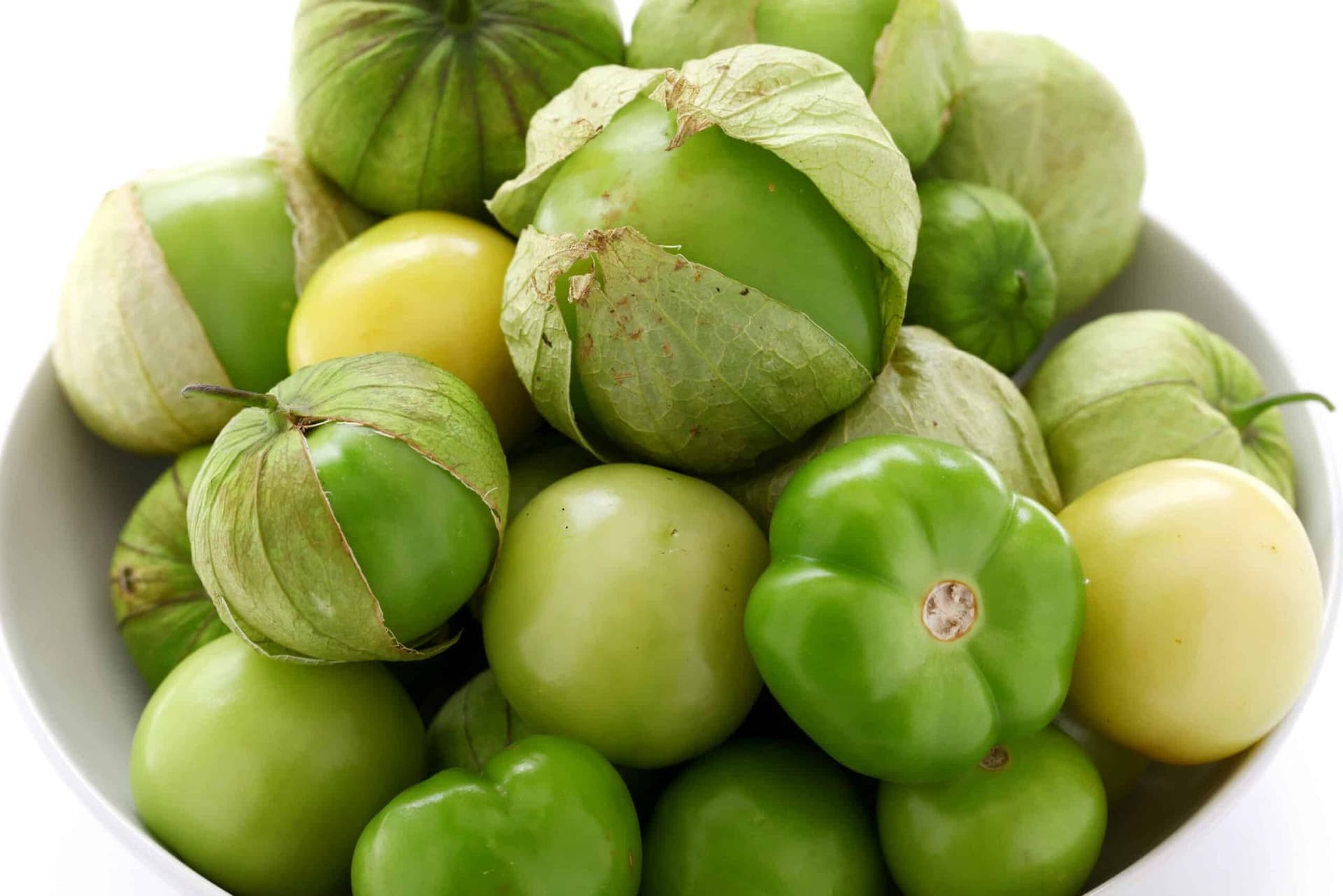
Tomatillos grow inside papery husks, making it hard to judge ripeness at a glance. This guide explains how to know when tomatillos are ripe and offers practical advice on harvesting and storage.

Plant Recommendations
When to Harvest Tomatillos: How to Tell When They're Ripe
What Plants Don't Like Epsom Salt?

11 min read · 29 Jul 2026

What Plants Don't Like Epsom Salt?

Learn which plants can be seriously damaged by Epsom salt and which will thrive on it. We’ll explain when and how to use it properly, provide tips for indoor & outdoor plants — read on and enjoy a healthy garden.

Plant Care
What Plants Don't Like Epsom Salt?
When to Harvest Carrots: Timing, Signs, and How to Pick Them

6 min read · 23 Oct 2026

When to Harvest Carrots: Timing, Signs, and How to Pick Them

Carrots are usually ready 60-80 days after sowing them in the soil, depending on the variety. Learn how to recognize maturity signs, choose the right harvest season, pull carrots without damaging them, and store roots after picking.

Plant Care
When to Harvest Carrots: Timing, Signs, and How to Pick Them