Root zone protection
Apply a 3–5 cm layer of fine bark mulch around the root zone, keeping it 3–5 cm away from the stem base, to keep roots cool, reduce surface drying, and support steady growth in warm climates.

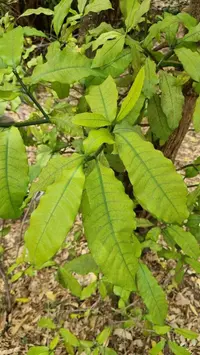
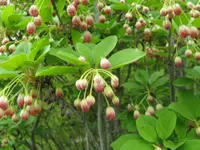
Soccerball fruit, Tabernaemontana stapfiana, is a tropical shrub or small tree from East Africa, valued mainly for its unusual, rounded clustered fruits. It typically has glossy green leaves and a dense, branching habit, which can make it an interesting ornamental in warm climates or controlled indoor environments.
In nature, it grows in humid, frost-free regions, often in woodland or forest edges with consistent moisture. The plant can be moderately challenging, as it dislikes cold, dry air and poorly drained soil.
It generally prefers bright, filtered light, evenly moist but not waterlogged substrate, and a stable, warm environment. Gardeners who understand how to care for soccerball fruit usually focus on providing warmth, humidity, and reliable watering without extremes.

Care Difficulty
Moderate Care

Light Preference
Partial Shade

Water Requirements
Moderate Water

Temperature Preference
Tropical / Frost Sensitive

Hardiness Zone
Unknown

Soil Texture
Loamy, Organic-rich

Soil pH
Acidic (5.5–6.5), Slightly acidic (6.5–7.0)

Soil Drainage
Moist but well-drained

Fertilization
Light (every 4–6 weeks)
Scan your plant to receive care tips personalized for your specific plant
Available on iOS and Android
Tabernaemontana stapfiana prefers bright, gentle light that mimics dappled forest sun.
This shrub likes evenly moist but not saturated soil.
This species prefers warm, frost-free conditions year-round.
This species benefits from moderately high, stable humidity around foliage and developing soccerball fruit.
Tabernaemontana stapfiana prefers an airy, moisture-retentive but free-draining root environment.
This shrub is suitable for container growing when the pot supports its woody root system and upright canopy.
Tabernaemontana stapfiana responds well to moderate feeding to support foliage, flowers, and soccerball fruit development.
Pruning helps maintain a healthy, compact Tabernaemontana stapfiana and supports good flowering.
Container-grown plants and young field-grown specimens benefit from thoughtful repotting or transplanting to prevent root stress.
New plants are usually produced from semi-ripe cuttings, with seeds used less often for home Tabernaemontana stapfiana plant care.
This species has low frost tolerance and needs thoughtful winter management in cooler regions.

Plant Health Check
Not sure what's wrong with your plant? Check your plant's health inside the app.
This species is naturally found in moist montane forests of East Africa, where it grows as a shrub or small tree in partially shaded understories rather than in open, exposed habitats.
Like many members of the Apocynaceae family, it exudes a white, milky latex from damaged tissues, a chemical defense that helps deter many herbivores and protects wounds from microbial attack.
It bears white, pinwheel-like flowers that release a noticeable fragrance, which helps attract specific night and crepuscular pollinators in its native range.
All parts of this species contain milky latex sap with toxic alkaloids. Ingestion can cause nausea, vomiting, diarrhea, and lethargy in pets and humans. Keep out of reach of children and animals, and avoid chewing leaves or stems.
Keep your plants happy and healthy with plant identification, disease detection, and easy care guidance.