Early structural pruning
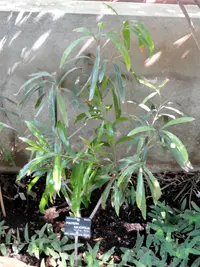
Start shaping young plants by selectively shortening the longest shoots in late winter, which encourages a denser, wind-firm framework rather than tall, leggy growth.

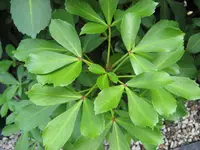
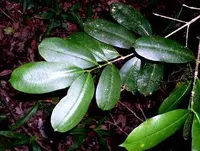
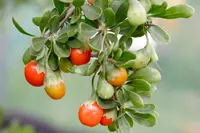
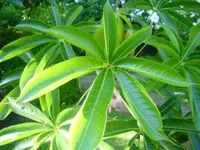
Houpara (Pseudopanax lessonii) is an evergreen shrub or small tree valued for its glossy, leathery leaves and naturally bushy habit. It often develops a dense, rounded canopy that suits hedges, screens, and feature plantings.
This species is native to coastal areas of New Zealand, where it experiences mild temperatures, wind, and salt exposure. It adapts well to garden beds and large containers in suitable climates.
Pseudopanax lessonii tends to be moderately easy to grow when given shelter from harsh frost and very dry conditions. Light, well-drained soil and consistent moisture make it easier to care for Houpara, especially during establishment.

Care Difficulty
Moderate Care

Light Preference
Partial Sun

Water Requirements
Moderate Water

Temperature Preference
Warm Climate

Hardiness Zone
9–11

Soil Texture
Sandy, Loamy, Organic-rich

Soil pH
Acidic (5.5–6.5), Slightly acidic (6.5–7.0)

Soil Drainage
Moist but well-drained

Fertilization
Minimal (feed rarely)
Scan your plant to receive care tips personalized for your specific plant
Available on iOS and Android
Pseudopanax lessonii prefers bright, gentle light that mimics coastal woodland edges.
This species prefers evenly moist, well-drained soil that never stays saturated for long.
This coastal shrub thrives in mild, frost-free climates with stable temperatures.
This species prefers moderate humidity but adapts to most home conditions.
This plant needs free-draining, moisture-retentive soil that does not stay waterlogged.
This species is well suited to container growing for patios, sheltered balconies, or small gardens.
Pseudopanax lessonii benefits from light, consistent feeding during its active growing season.
Pseudopanax lessonii responds well to light pruning to maintain a strong framework and tidy outline.
This species is more often grown in the ground, but container plants and young specimens benefit from occasional repotting or transplanting.
Pseudopanax lessonii is most commonly propagated from semi-ripe stem cuttings taken during warm months.
Pseudopanax lessonii is only moderately frost hardy and benefits from simple winter protection in cooler regions.

Plant Health Check
Not sure what's wrong with your plant? Check your plant's health inside the app.
This species naturally colonizes exposed coastal cliffs and headlands in northern New Zealand, where its thick, leathery leaflets tolerate salt-laden winds better than many other shrubs and small trees.
Young plants often show more divided, narrow leaflets, while older plants develop broader, simpler foliage, a change in form known as heteroblasty that is common in some New Zealand woody plants.
In its native range, this plant contributes to coastal shrubland structure and offers shelter and perching sites for native birds that move between forest remnants and open coastal habitats.

Pseudopanax lessonii is named in honor of the French botanist and surgeon René Primevère Lesson, who documented plants from the Pacific region in the early 19th century, including material from New Zealand that helped define several coastal species.
Growth is moderate. Under good light, moisture, and mild temperatures, it typically adds 15–30 cm of height per year. Cooler climates, poor soil fertility, and dry periods slow extension growth and reduce overall vigor.
Keep your plants happy and healthy with plant identification, disease detection, and easy care guidance.