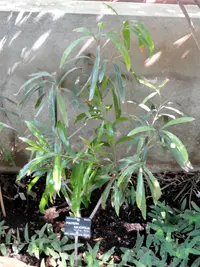
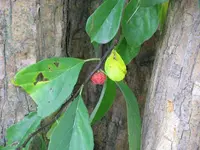
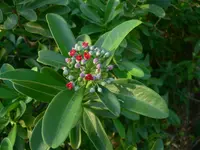
brush bloodwood Care (Baloghia inophylla)

Also known as: bloodwood, ivory birch, scrub bloodwood
brush bloodwood

About brush bloodwood

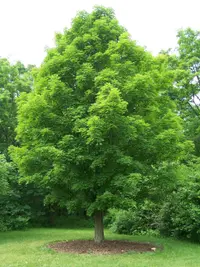
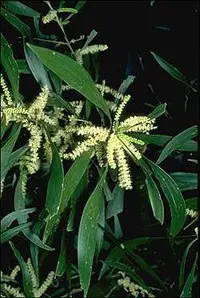
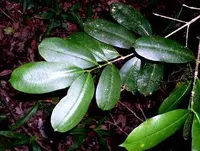
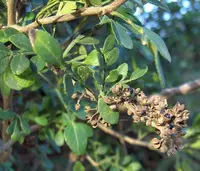
Brush bloodwood (Baloghia inophylla) is an evergreen tree or large shrub native to coastal rainforests of eastern Australia. It usually has a rounded crown with glossy green leaves and smooth, often mottled bark. Small, inconspicuous flowers are followed by capsules containing bright red seeds, giving ornamental interest. Growth is moderate and the plant is generally robust once established, which makes it manageable in mild, frost-free climates. It prefers consistent moisture, good drainage, and filtered to full sun, which guides how to care for brush bloodwood in gardens or larger landscapes.

Main Plant Requirements

Care Difficulty

Moderate Care

Light Preference

Partial Shade

Water Requirements

Moderate Water

Temperature Preference

Warm Climate

Hardiness Zone

10–11

Soil Texture

Sandy, Loamy, Organic-rich

Soil pH

Slightly acidic (6.5–7.0), Neutral (7.0)

Soil Drainage

Moist but well-drained

Fertilization

Minimal (feed rarely)

Get Personalized Care Plan

Scan your plant to receive care tips personalized for your specific plant

Available on iOS and Android

How to Care for the brush bloodwood

This coastal rainforest tree prefers bright, gentle light rather than harsh, all-day sun.

  • Provide 3–5 hours of morning sun with bright, dappled or filtered light for the rest of the day, similar to a light woodland edge.
  • It tolerates partial shade, but in dense shade growth becomes sparse and leaves may yellow or drop on the shaded side of the brush bloodwood.
  • Avoid strong afternoon sun in hot climates, which can scorch foliage; give more light in winter as sun is weaker and days are shorter.

This species prefers steadily moist, well-drained soil rather than extremes of dryness or saturation.

  • Water when the top 3–5 cm of soil feel dry, aiming for soil that is moist but not soggy down to root depth.
  • Use free-draining soil and avoid standing water; persistent wetness causes root rot, wilting despite wet soil, and blackened roots.
  • In warm growing seasons, expect faster drying and more frequent watering; in cooler months, drying is slower, so reduce watering if leaves stay lush and soil remains damp.

This warm-temperate to subtropical tree grows best without exposure to frost or extreme heat.

  • Aim for 65–80°F (18–27°C) for strongest growth, with steady temperatures and some shelter from hot, drying winds.
  • It tolerates brief dips to about 40°F (4°C), but foliage and young growth can be damaged near this level, especially with wind or wet soil.
  • Above 90°F (32°C), provide extra shade and soil moisture; mulch the root zone and avoid reflected heat from paving during heatwaves.

This species grows well in moderate household humidity but benefits from slightly higher levels in heated homes.

  • Aim for 40–60% humidity; it tolerates short dips lower but prolonged very dry air can stress brush bloodwood foliage.
  • Crisp leaf tips or marginal browning, especially on newer leaves, signal air that is too dry.
  • Increase humidity with a nearby open tray of water and stones, grouping plants together, or placing it away from heater or AC vents.

Baloghia inophylla prefers a loose, moisture-retentive but well-drained substrate.

  • Use a mix of 50–60% loam or compost, 20–30% coarse sand, and 20–30% perlite or fine bark to balance moisture and aeration.
  • Ensure water drains freely within a few seconds from the pot base to prevent chronic root saturation and rot.
  • Maintain slightly acidic to neutral pH around 6.0–7.0, avoiding strongly alkaline conditions that can limit nutrient uptake.
  • Avoid dense, unamended clay or peat-heavy mixes that stay wet for long periods and reduce oxygen around the roots.

This shrub can adapt to container growing when given a stable, well-drained setup outdoors.

  • Choose a deep, heavy pot that resists tipping as the woody stems gain height and catch wind.
  • Select a container material that slightly reduces moisture loss, such as glazed ceramic, in hotter, wind-exposed sites.
  • Elevate the pot on feet or bricks so drainage holes stay clear and excess water escapes quickly after rain or irrigation.

This coastal Australian tree grows acceptably in poor soils but benefits from light, balanced feeding in containers or managed plantings.

  • Use a balanced slow-release fertilizer or liquid feed around 10-10-10 NPK at half strength for brush bloodwood in pots or young landscape trees.
  • Apply every 6–8 weeks during the warm growing season when active shoot and leaf growth is visible.
  • In autumn and winter, reduce feeding to 1 light application or stop entirely in mild climates.
  • Always water before and after feeding and keep fertilizers off the trunk to avoid root burn and bark damage.

Baloghia inophylla responds well to light, targeted pruning to manage size, structure, and safety.

  • Carry out main pruning in late winter or early spring before vigorous new growth begins.
  • Remove dead, diseased, storm-damaged, or crossing branches first to improve airflow and reduce disease risk.
  • Shorten or thin crowded shoots to maintain a single main leader and strong, well-spaced scaffold branches.
  • Use clean, sharp bypass pruners or a pruning saw, making smooth cuts just outside the branch collar.

This species is usually grown in the ground, with transplanting more relevant than long-term container culture.

  • Transplant young trees in late winter or early spring when soil is workable and temperatures are mild.
  • Look for roots circling the pot, reduced vigor, or frequent wilting as signs a container plant needs a larger space.
  • Shift up 1 pot size or move into the ground, loosening circling roots gently and planting at the same soil level.
  • Water deeply after planting, apply a 5–8 cm mulch layer, and keep soil evenly moist for several weeks to limit transplant shock.

New plants are usually raised from seed, with semi-hardwood cuttings also possible under controlled conditions.

  • Collect ripe seed and sow in spring in a free-draining, slightly sandy mix kept just moist and warm at 68–77°F.
  • Provide bright, indirect light and consistent warmth to support steady germination and early seedling growth.
  • For cuttings, take semi-hardwood pieces in late spring to summer, use rooting hormone, and place in a humid, covered environment.
  • Avoid waterlogging during rooting or germination, and move young plants gradually into stronger light and outdoor conditions.

This evergreen tree is suited to mild, frost-free climates and has limited tolerance of hard freezes.

  • In ground, a 5–8 cm mulch layer around the root zone helps buffer soil temperature and conserve moisture.
  • Young or marginally hardy trees benefit from a wind-sheltered site away from cold air pockets.
  • Move container plants indoors or into a bright, frost-free greenhouse when temperatures approach 32°F.

Care Tips

Early structure training

In the first 2–3 years, lightly stake and tie the young trunk with soft, broad ties and remove competing low side shoots to encourage a single, straight leader for a strong future canopy.

Wind and salt management

In coastal or windy sites, establish a temporary windbreak or plant on the leeward side of larger shrubs to reduce leaf scorch and deformity while the tree develops a thicker trunk and woody framework.

Root zone protection

Keep a 30–60 cm grass‑free mulch ring around the base, using a 5–8 cm layer of coarse organic mulch that is pulled back from direct contact with the trunk to protect feeder roots and reduce mechanical damage from mowing.

Monitoring sap exudation

Inspect stems and branches a few times a year for unusual sap beads or streaks, which can indicate insect activity or mechanical injury, and prune back to healthy wood with clean tools if exudation persists from a damaged area.

Urban site adaptation

When planting near paving or structures, allow at least 2–3 m clearance and direct structural roots away from hardscape with a root barrier if needed, as this species can develop a firm root system under good conditions when growing brush bloodwood outdoors.

Common Pests and Diseases

Scale insects

These insects attach to stems and leaf undersides, sucking sap and causing yellowing, sticky honeydew, and sooty mould on brush bloodwood foliage. Infestations are most common on sheltered, low‑airflow plants and stressed specimens.

Solution

Prune heavily infested twigs, then wipe or gently scrub remaining colonies with a cloth or soft brush dipped in dilute soapy water or an alcohol‑water mix. For ongoing Baloghia inophylla care outdoors, encourage natural predators (lady beetles, parasitic wasps) and, if needed, use a light horticultural oil spray, repeating after 7–14 days while avoiding hot, direct sun periods.

Leaf-chewing caterpillars

This pest feeds on young foliage, leaving irregular holes and ragged leaf edges, and can temporarily thin the canopy of young plants. Damage is usually seasonal and often follows moth activity around the tree or hedge.

Solution

Hand‑pick caterpillars where practical and prune out badly shredded shoots to stimulate new growth. In heavier outbreaks, use Bacillus thuringiensis (Bt), a targeted biological spray applied in the late afternoon to young foliage, and maintain plant vigor with adequate water and mulch so regrowth is quick.

Sooty mould

This disease is a black, powdery fungal growth that develops on honeydew excreted by sap‑sucking insects such as scale or aphids on leaves and stems. Symptoms include blackened foliage and reduced photosynthesis, though the fungus does not directly invade plant tissues.

Solution

Control the underlying sap‑sucking insects first through pruning, washing with soapy water, or using horticultural oil so new honeydew stops forming. Then gently wash affected leaves with water to remove the mould, and improve airflow and light penetration by thinning dense interior branches.

Leaf spot

This disease causes small brown to dark purple spots on leaves, sometimes with pale centers and yellow halos, which can coalesce and lead to premature leaf drop in humid conditions. Symptoms include more severe spotting on older, shaded foliage and in dense hedging or screen plantings.

Solution

Remove and dispose of heavily spotted leaves from the plant and ground to reduce inoculum, and avoid overhead watering that keeps foliage wet. Improve spacing and pruning for better airflow, and in persistent, severe cases consider a registered copper‑based fungicide applied during humid periods, following label directions carefully.

Interesting Facts

Native rainforest pigment

The sap of this Australian rainforest tree is a reddish color that was traditionally used as a natural pigment and wood stain by local people.

Tolerant of salt spray

This species naturally grows close to the coast in parts of eastern Australia and shows good tolerance to salt-laden winds compared with many other rainforest trees.

Dioecious flowering habit

Individual plants are either male or female, a condition called dioecy, so fruit and seeds develop only on female trees that receive pollen from nearby male trees.

Botan icon

Did you know?

The seeds of this species are dispersed mainly by birds, which are attracted to the fleshy aril surrounding the seed and help move the plant through fragmented coastal and lowland rainforest habitats.

FAQs about brush bloodwood

This species is moderately fast-growing, typically adding about 30–60 cm in height per year in suitable outdoor conditions. Growth slows in poor soil, dry sites, or containers, and increases with consistent moisture and protection from harsh wind.

Grow Healthy Plants with Botan Care

Keep your plants happy and healthy with plant identification, disease detection, and easy care guidance.

Botan plant care app — identify plants on mobile

Explore More Plants