

Encourage Strong Framework
In the first 3–5 years, remove closely competing leaders and select 1–3 well-spaced main scaffold branches to create a strong, open framework that will better support fruit and reduce future storm damage.

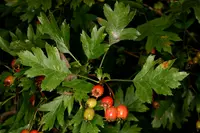
Crataegus atrorubens is a deciduous hawthorn tree or large shrub, valued for its dense branching, white spring flowers, and showy red fruits in autumn. It typically forms a rounded crown with thorny branches, making it suitable as a small landscape tree or informal hedge. Native to parts of North America, it is usually found in open woods, thickets, and well-drained slopes. This species is generally hardy and tolerant of urban conditions, which makes it relatively straightforward to grow. It prefers full sun, moderately moist but well-drained soil, and benefits from occasional structural pruning to care for Crataegus atrorubens effectively.

Care Difficulty
Easy Care

Light Preference
Full Sun

Water Requirements
Moderate Water

Temperature Preference
Cold Hardy

Hardiness Zone
4–7

Soil Texture
Sandy, Loamy, Clay

Soil pH
Acidic (5.5–6.5), Slightly acidic (6.5–7.0)

Soil Drainage
Well-drained

Fertilization
Minimal (feed rarely)
Scan your plant to receive care tips personalized for your specific plant
Available on iOS and Android
This hardy hawthorn prefers full sun but adapts to light shade in many garden settings.
This species prefers evenly moist, well-drained soil and dislikes prolonged saturation.
This cold-hardy hawthorn tolerates a wide outdoor temperature range once established.
This hawthorn handles typical outdoor humidity and rarely needs special humidity management.
This species prefers moderately fertile, well-structured mineral soil with reliable drainage.
This species can be grown in containers for the first years, but long-term culture is challenging due to its eventual size.
This hawthorn is adapted to modest soils and usually needs only light feeding in managed landscapes.
Thoughtful pruning keeps this small tree healthy, safe, and flowering well.
This hawthorn is usually grown in the ground, so focus on correct transplanting rather than frequent repotting.
Propagation of this species is possible but slower than many shrubs and is usually done by seed or cuttings.
This hawthorn is naturally cold hardy and usually needs minimal winter care in typical temperate climates.

Plant Health Check
Not sure what's wrong with your plant? Check your plant's health inside the app.
This hawthorn is naturally restricted to parts of the central United States, especially Kansas and nearby Great Plains states, where it occurs in upland prairies, open woodlands, and along rocky hillsides.
It produces dense clusters of white, strongly scented flowers in late spring, which are an important nectar source for native bees and other pollinating insects in its home range.
Its small, bright red pomes often persist into early winter, providing both visual interest in the dormant season and a cold-weather food source for birds and small mammals.
This hawthorn has a moderate growth rate, typically adding 20–30 cm per year once established. Young trees grow a bit faster, then slow with age. Good light, well-drained soil, and minimal competition support steady development.
Keep your plants happy and healthy with plant identification, disease detection, and easy care guidance.


European mountain ash
Sorbus aucuparia
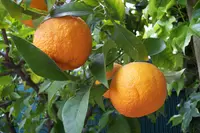
sour orange
Citrus × aurantium

silverleaf oak
Quercus hypoleucoides
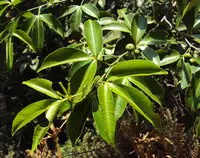
Climbing Orange
Zanthoxylum asiaticum
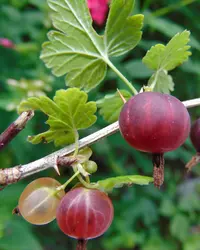
hairystem gooseberry
Ribes hirtellum
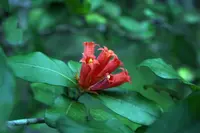
Wild Pomegranate
Burchellia bubalina
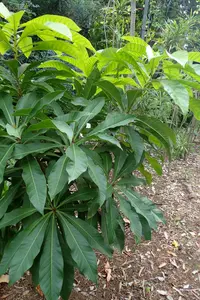
Barringtonia neocaledonica
Barringtonia neocaledonica
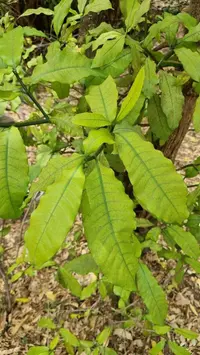
soccerball fruit
Tabernaemontana stapfiana