Deep root establishment
During the first 2–3 years, give a single, slow soak every 2–4 weeks in dry periods to encourage deep root growth rather than frequent shallow watering, which makes the tree more drought‑resilient and wind‑stable long term.


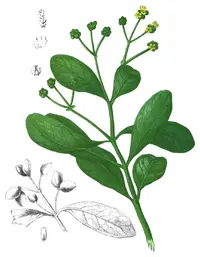
Silverleaf oak, Quercus hypoleucoides, is an evergreen oak tree known for its narrow, willow-like leaves that are dark green above and silvery-white beneath. This contrast gives the canopy a distinctive two-tone look.
It is native to the mountains of the southwestern United States and northern Mexico, where it grows in dry, rocky habitats. The tree develops a strong central trunk and a moderate to broad crown over time.
This species is generally resilient once established, tolerating drought, sun, and poorer soils better than many oaks. Gardeners who want to care for silverleaf oak should provide full sun, well-drained soil, and space for its long-term growth.

Care Difficulty
Moderate Care

Light Preference
Full Sun

Water Requirements
Low Water

Temperature Preference
Cold Hardy

Hardiness Zone
6–9

Soil Texture
Sandy, Loamy, Rocky

Soil pH
Slightly acidic (6.5–7.0), Neutral (7.0)

Soil Drainage
Well-drained

Fertilization
Minimal (feed rarely)
Scan your plant to receive care tips personalized for your specific plant
Available on iOS and Android
This species thrives in bright, open sites that mimic high-elevation woodlands.
This oak prefers deep, infrequent watering once established, with soil that dries slightly between soakings.
This species is adapted to cool to warm temperate climates with cold winters and hot summers.
This species tolerates relatively dry air and humidity is rarely a limiting factor outdoors.
This oak prefers well-drained, mineral soils that mimic its native upland habitats.
This species can be grown in containers for several years, mainly as a juvenile or patio specimen.
This drought-adapted silverleaf oak usually needs minimal fertilization once established in the ground.
Pruning Quercus hypoleucoides focuses on structural health and clearance rather than heavy shaping.
This oak is usually grown in the ground, so transplanting young trees correctly matters more than frequent repotting.
Quercus hypoleucoides is most often propagated from seed, which requires patience and careful handling.
Mature trees are quite cold hardy and generally require little winter care once established in appropriate climates.

Plant Health Check
Not sure what's wrong with your plant? Check your plant's health inside the app.
This oak has dark green upper leaf surfaces and a striking silvery‑white underside covered with tiny hairs, which help reduce water loss and reflect intense sunlight in its native dry habitats.
It is naturally found in rocky canyons and slopes in the sky island ranges of the US Southwest and northern Mexico, where it tolerates thin, fast‑draining soils and seasonal drought.
Unlike many North American oaks, this species is evergreen to semi‑evergreen, retaining much of its foliage through winter while still tolerating occasional subfreezing temperatures in high‑elevation sites.

In mixed mountain forests of the Southwest, this species often serves as an important wildlife resource, providing acorns and year‑round canopy cover for birds and mammals in otherwise seasonally sparse habitats.
This species is generally slow to moderate growing, adding about 15–30 cm per year under good conditions. Growth is faster in deep, well-drained soils with regular moisture during establishment, then slows as the tree matures.
Keep your plants happy and healthy with plant identification, disease detection, and easy care guidance.