Train Early Vines
Install a sturdy trellis or wire system before planting and loosely tie new shoots as they elongate, guiding them horizontally to encourage more flowering side branches and easier harvest access.

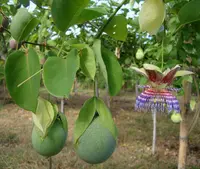
Conch apple, Passiflora maliformis, is a woody passionfruit vine grown for its hard-shelled, aromatic fruits and decorative foliage. It forms a climbing, twining habit that needs firm support such as a trellis or fence.
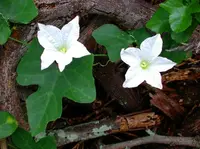
The plant is native to tropical regions of the Caribbean and parts of South America, where it grows in warm, humid conditions. Its white to pale purple flowers are less showy than some passionflowers but still attractive to pollinators.
This species prefers bright light, regular moisture, and well-drained, fertile soil. It is considered more demanding than common passionfruit because it needs consistent warmth, so gardeners often learn how to care for conch apple in sheltered, frost-free spots or protected structures.

Care Difficulty
Moderate Care

Light Preference
Full Sun

Water Requirements
Regular Water

Temperature Preference
Tropical / Frost Sensitive

Hardiness Zone
10–12

Soil Texture
Sandy, Loamy, Organic-rich

Soil pH
Acidic (5.5–6.5), Slightly acidic (6.5–7.0)

Soil Drainage
Moist but well-drained

Fertilization
Moderate (every 2–4 weeks)
Scan your plant to receive care tips personalized for your specific plant
Available on iOS and Android
This tropical vine needs strong light to flower and fruit well outdoors in warm climates.
This species prefers evenly moist, well-drained soil rather than extremes of dryness or saturation.
This vine thrives in consistently warm, frost-free conditions typical of lowland tropics and subtropics.
This species prefers moderately high humidity but remains reasonably tolerant if air is not extremely dry.
This plant performs best in loose, well-aerated soil that stays evenly moist yet drains freely.
This vigorous climber is suitable for container growing if the pot supports its fast root and vine development.
This tropical vine benefits from steady, moderate nutrition to support flowering and fruiting in conch apple cultivation.
Thoughtful pruning keeps Passiflora maliformis productive, manageable, and well lit.
This passionfruit is usually grown in the ground, so transplanting and site establishment matter more than frequent repotting.
New Passiflora maliformis plants are usually produced from seeds or softwood cuttings under warm, humid conditions.
This tropical species is frost sensitive and needs protection in regions with cool winters.

Plant Health Check
Not sure what's wrong with your plant? Check your plant's health inside the app.
This species develops an unusually hard, thick, woody rind compared with most other passionfruits, which protects the pulp from insect damage and allows fruits to be transported long distances with minimal bruising.
The pale, gelatinous pulp has a strong, sweet, resinous aroma that is considered more intense and complex than common purple or yellow passionfruit and is often used to perfume beverages and desserts in the Caribbean.
Its complex floral structure, with corona filaments and recessed nectaries, is adapted for pollination primarily by large bees in its native range, which contact the reproductive organs as they force their way into the flower.

In parts of the Caribbean, farmers traditionally use the woody, shell-like rinds of the fruits as improvised containers or scoops after the pulp is eaten, taking advantage of their durability and resistance to decay.
Yes, this species adapts well to large containers with a strong trellis. Use a deep pot, high‑quality, well‑draining mix, and regular feeding. Root crowding over time means repotting or root pruning every few years.
Keep your plants happy and healthy with plant identification, disease detection, and easy care guidance.