cat greenbrier Care (Smilax glauca)

Also known as: sawbrier, catbrier, glaucous-leaved greenbriar, glaucous greenbrier, wild sarsparilla
cat greenbrier

About cat greenbrier

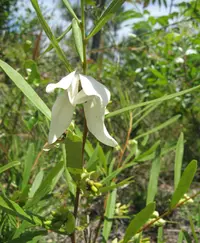
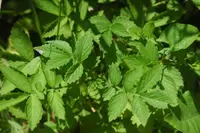
Cat greenbrier, Smilax glauca, is a woody, twining vine native to eastern North America. It often forms dense thickets along woodland edges, hedgerows, and disturbed sites.

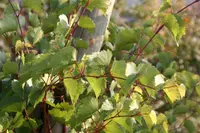
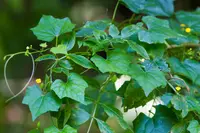
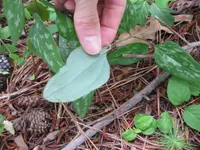
Stems are armed with sharp prickles, and the leathery, bluish-green leaves often have a whitish, waxy underside. In suitable conditions it can spread aggressively, so placement and long-term control matter when planning how to care for cat greenbrier.

This vine prefers sun to light shade, reasonably moist but well-drained soil, and benefits from a sturdy support if grown ornamentally.

Main Plant Requirements

Care Difficulty

Moderate Care

Light Preference

Partial Shade

Water Requirements

Moderate Water

Temperature Preference

Cold Hardy

Hardiness Zone

5–9

Soil Texture

Sandy, Loamy, Clay

Soil pH

Acidic (5.5–6.5), Slightly acidic (6.5–7.0)

Soil Drainage

Moist but well-drained

Fertilization

Minimal (feed rarely)

Get Personalized Care Plan

Scan your plant to receive care tips personalized for your specific plant

Available on iOS and Android

How to Care for the cat greenbrier

Smilax glauca grows best with moderate sun exposure that mimics bright woodland edges.

  • Provide 3–6 hours of direct morning or late-afternoon sun, with light dappled or filtered shade during harsh midday hours.
  • Plant in a spot with partial shade; cat greenbrier tolerates brighter sites if roots stay cool under leaf litter or companion plants.
  • Watch leaves for stress: pale, scorched, or crispy edges indicate excess sun, while long, weak stems and sparse foliage signal insufficient light, especially in summer.

Smilax glauca prefers steady soil moisture without prolonged saturation.

  • In the ground, allow the top 3–5 cm of soil to dry slightly between rains or waterings, then water deeply to reach the root zone.
  • Use well-drained, loamy soil; standing water, a sour smell, or yellowing, soft leaves indicate overwatering and poor drainage.
  • Increase watering during hot, dry periods when leaves start to droop, and reduce input in cool or dormant seasons as growth slows and soil dries more slowly.

This species is a hardy vine that tolerates a broad outdoor temperature range once established.

  • Active growth is strongest around 65–80°F (18–27°C), typical of late spring through early fall in many temperate regions.
  • Mature plants survive brief drops near 10°F (-12°C) once dormant, but new shoots and young plants are damaged by early or late frosts.
  • In very hot spells above 90°F (32°C), provide mulch to cool the root zone and some afternoon shade to reduce heat and leaf stress.

This vine tolerates a wide humidity range but benefits from slightly moist air.

  • Aim for 40–60% humidity; avoid extremes below 30% for long periods, especially in heated homes.
  • Dry air may cause browning leaf tips, slowed growth, and premature leaf drop on young shoots.
  • Increase humidity by grouping plants, placing trays with water and pebbles nearby, or growing cat greenbrier outdoors in sheltered, humid microclimates.

Smilax glauca prefers loose, well-drained, moderately fertile soil that mimics woodland edges.

  • Use a mix of 50% loam-based potting soil, 30% compost, and 20% coarse sand or fine bark to keep the structure crumbly and aerated.
  • Ensure drainage is fast enough that water does not pool; roots should stay moist but never waterlogged for more than a few hours.
  • Target a slightly acidic to neutral pH around 6.0–7.0, avoiding highly alkaline or salty substrates that restrict nutrient uptake.
  • Improve heavy or compacted ground by working in coarse sand, fine gravel, or shredded bark to increase pore space and oxygen around the roots.

This species can be grown in containers when given enough depth and support for its climbing habit.

  • Choose a tall, heavy pot that resists tipping once the vine climbs, especially in windy outdoor locations.
  • Select a container at least 30–40 cm deep so underground stems and new shoots have space to spread without circling tightly.
  • Use a fast-draining mix and elevate the pot slightly on risers to let excess water exit quickly from drainage holes.

Smilax glauca is a tough native vine that usually needs only modest feeding, especially when grown in decent garden soil.

  • For in-ground plants, apply a light layer of compost or well-rotted leaf mold around the root zone once each spring.
  • Use a balanced slow-release fertilizer (around 10-10-10) at 1/2 strength for container-grown cat greenbrier in early spring.
  • Feed containers every 6–8 weeks during active growth, avoiding heavy doses that encourage weak, lush growth.
  • Stop fertilizing in late summer so new growth hardens before winter, and do not feed dormant plants.

Smilax glauca responds well to selective pruning, which helps manage its vigorous growth and maintain structure.

  • Carry out main pruning in late winter to early spring before new shoots emerge.
  • Remove dead, damaged, or crossing stems first, cutting back to healthy tissue with clean bypass pruners.
  • Shorten or thin crowded canes to control spread and direct the vine to its support, improving light and air flow.
  • Light summer touch-ups can trim back unwanted runners while keeping berries and wildlife value where desired.

This species is more often transplanted outdoors than repotted, since it forms a vigorous, suckering root system.

  • Plan transplanting for early spring or early fall, when temperatures are mild and soil moisture is steady.
  • Look for signs such as roots circling inside a container, water running off quickly, or stalled top growth before moving a plant.
  • Lift a generous root ball, disturb roots as little as possible, and replant at the same depth into loosened, well-drained soil.
  • Water deeply after transplanting, then keep soil evenly moist but not waterlogged for several weeks to limit transplant shock.

Smilax glauca can be propagated, but it is slower than many garden vines and often relies on patient methods.

  • Collect ripe berries in fall, clean the seeds, then sow in a cold frame or pots outdoors for natural winter stratification.
  • Use semi-ripe stem cuttings in late spring to early summer, rooting them in a loose, well-drained mix under high humidity.
  • Division of small suckers or rhizome sections in early spring is sometimes possible if access to the root system is good.
  • Provide bright, indirect light and consistently moist, not waterlogged, substrate to support slow but steady establishment.

This vine is quite cold hardy in much of its native range and usually needs minimal winter care in the ground.

  • Established plants tolerate typical frosts, with top growth often semi-evergreen or deciduous depending on local climate.
  • Apply a 5–8 cm layer of mulch over the root zone in late fall to moderate soil temperature and conserve moisture.
  • In containers, move pots to a sheltered, unheated but frost-free or slightly protected spot to prevent root freeze-thaw stress.

Care Tips

Provide sturdy support

Install strong, weather-resistant trellis panels or tensioned wires before planting so the vine can attach early and climb safely without kinking or breaking canes later.

Control underground spread

Sink root barriers 30–40 cm deep around beds or paths to limit rhizome spread and make it easier to manage suckers that appear outside the desired growing area.

Time structural pruning

Schedule any major structural pruning for late winter when the plant is leafless, which makes thorny stems easier to handle and reduces the risk of accidentally cutting healthy new shoots.

Retain winter interest

When possible, leave selected older stems and fruiting branches in place over winter to provide wildlife food and winter structure, then thin them out once new growth starts.

Use gloves and spacing

Wear thick gloves and long sleeves when handling stems and plant at least 60–90 cm away from high-traffic paths or play areas to reduce accidental contact with the thorns while caring for cat greenbrier.

Common Pests and Diseases

Leaf-chewing caterpillars

This pest commonly feeds on young Smilax leaves, leaving irregular holes and ragged edges. Symptoms include skeletonized leaves and frass pellets on or below the foliage.

Solution

Hand-pick caterpillars where possible and prune heavily damaged shoots. For larger infestations, use a targeted Bacillus thuringiensis (Bt) product on actively feeding foliage and encourage natural predators by avoiding broad-spectrum insecticides.

Deer and rabbit browsing

These animals frequently feed on tender shoots and leaves, especially on young vines growing at the woodland edge. Symptoms include missing shoot tips, torn leaves, and repeatedly clipped regrowth.

Solution

Use physical barriers such as wire fencing or trunk guards around young plants and key stems. In high-pressure areas, combine fencing with repellents applied according to label directions until the vines are tall and woody enough to withstand moderate browsing.

Rust fungus

This disease causes orange to reddish pustules on the undersides of leaves, sometimes leading to yellowing and early leaf drop. Symptoms include scattered or clustered spots that release powdery spores when touched.

Solution

Remove and discard heavily infected leaves to reduce spore load and avoid overhead watering so foliage dries quickly. In severe or recurring cases, apply a labeled rust-control fungicide in early spring and improve spacing or pruning to increase air movement through the vine canopy.

Leaf spot

This disease produces small brown, tan, or purple spots on leaves that may merge into larger blotches. Symptoms include premature yellowing of affected leaves and gradual thinning of the canopy on stressed plants.

Solution

Collect and dispose of fallen leaves, and prune dense or shaded sections to improve airflow and drying. If spots expand rapidly during warm, wet periods, use a copper-based or other labeled foliar fungicide and avoid wetting foliage during irrigation.

Scale insects

These insects attach to stems and leaf midribs, appearing as small bumps while sucking plant sap. Symptoms include sticky honeydew, sooty mold growth, and gradual decline or weak new growth on heavily infested vines.

Solution

Wipe or gently scrub accessible stems with a cloth dipped in mild soapy water or horticultural oil, then rinse. For larger infestations, apply horticultural oil during the growing season or a dormant oil spray in late winter, ensuring thorough coverage of stems and undersides of leaves as part of overall Smilax glauca plant care.

Interesting Facts

Glaucous leaf coating

The leaves have a distinctive whitish, waxy bloom on the underside, which gives the species its name glauca and helps reduce water loss by reflecting light and limiting evaporation.

Sexes on separate plants

This species is dioecious, meaning individual plants produce either male or female flowers, so both sexes must be present in an area for viable fruit and seed production.

Winter bird food source

The dark berries often persist into winter and are eaten by many woodland birds, which in turn disperse the seeds across forest edges and disturbed habitats.

Botan icon

Did you know?

Genetic studies show that Smilax glauca is part of a distinct New World clade within the Smilacaceae, reflecting a long evolutionary history separate from many Old World Smilax species despite their similar climbing, thorny growth forms.

FAQs about cat greenbrier

This species spreads vigorously by underground rhizomes and bird-dispersed seeds. In favorable conditions it can form dense thickets. Containment usually requires root barriers, regular cutting back of new shoots, and removal of berries before birds distribute them.

Grow Healthy Plants with Botan Care

Keep your plants happy and healthy with plant identification, disease detection, and easy care guidance.

Botan plant care app — identify plants on mobile

Explore More Plants