Cut-and-come-again
Harvest young shoots by trimming stems 5–8 cm above a node rather than pulling whole plants, which keeps new side shoots forming for a longer productive season when growing yerba porosa.

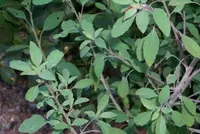
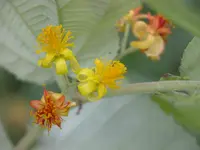
Yerba porosa (Porophyllum ruderale) is a fast-growing annual herb in the daisy family, valued mainly for its aromatic leaves. It forms a loose, branching mound with narrow, bluish-green foliage and small, inconspicuous flower heads.
This species is native to Central and South America but is now grown in warm regions worldwide, often near kitchens and herb gardens. It is generally considered easy to grow, as it tolerates heat, poor soils, and some drought.
Plants respond best to full sun, well-drained soil, and regular but moderate watering. Understanding how to care for yerba porosa starts with providing warmth and avoiding prolonged waterlogging.

Care Difficulty
Easy Care

Light Preference
Full Sun

Water Requirements
Moderate Water

Temperature Preference
Tropical / Frost Sensitive

Hardiness Zone
9–11

Soil Texture
Sandy, Loamy, Organic-rich

Soil pH
Acidic (5.5–6.5), Slightly acidic (6.5–7.0)

Soil Drainage
Well-drained

Fertilization
Minimal (feed rarely)
Scan your plant to receive care tips personalized for your specific plant
Available on iOS and Android
This fast-growing herb prefers strong light to develop its full aroma and compact form.
Porophyllum ruderale prefers evenly moist, well-drained soil rather than constant saturation.
This warm-season annual thrives in consistently mild to hot conditions without frost.
This herb tolerates a wide humidity range and rarely needs special humidity control.
Porophyllum ruderale prefers light, well-drained soil that mimics sandy, moderately fertile ground.
This fast-growing annual herb is well suited to container culture on balconies, patios, and small gardens.
This fast-growing annual herb benefits from light feeding but does not need heavy fertilization.
Pruning helps Porophyllum ruderale stay compact and leafy for better culinary harvests.
This species is usually grown as an annual and is more often transplanted outdoors than repotted long term.
Porophyllum ruderale is most commonly propagated from seed for each growing season.
This warm-season annual is not frost tolerant and usually does not overwinter in cold climates.

Plant Health Check
Not sure what's wrong with your plant? Check your plant's health inside the app.
This species produces volatile sulfur compounds in its leaves, which give it a strong coriander‑meets‑citrus scent and make it a distinctive seasoning in parts of Mexico and South America.
The leaves and stems are covered with visible glandular dots that are specialized oil glands, where the aromatic essential oils are synthesized and stored.
It typically completes its entire life cycle in a single warm season, growing rapidly from seed to flowering and seed set in just a few months under suitable conditions.

In several regions of Brazil and Paraguay, this plant is so strongly associated with traditional dishes that its common name, often translated as Bolivian coriander or papalo, is used in local markets as a separate herb category alongside true coriander and parsley, reflecting its long-standing regional culinary importance.
This herb is edible and widely used fresh in salsas, soups, and grilled meats for its strong cilantro‑like, resinous flavor. Use young leaves and tender stems, and introduce gradually to avoid digestive discomfort in sensitive individuals.
Keep your plants happy and healthy with plant identification, disease detection, and easy care guidance.