


Oxeye Daisy Identification (Leucanthemum vulgare)

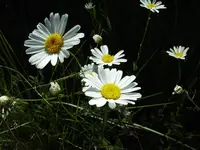
Recognize Oxeye Daisy by its single flower heads with white ray petals around a yellow disk, borne on mostly leafless stems 1 to 3 feet (30 to 90 cm) tall.

Check the leaves next: lower leaves are spoon-shaped to lobed, while upper leaves are narrower and clasp the stem.

Leucanthemum vulgare Identification

Identify a Plant by Photo

Take or upload a photo to confirm your plant ID with Botan.

Clear images work best. Avoid photos taken too close or too far away

  • 1 free identification
  • No sign-up
  • 30,000+ plants in database

Check the plant’s flower heads, leaves, and upright stems.

  • Single flower heads sit on long, mostly leafless stems, usually 1-3 feet (30-90 cm) tall.
  • Each head has white ray florets around a yellow center, often 1-2 inches (2.5-5 cm) across.
  • Basal leaves form a low clump and are spoon-shaped to oblong, with coarse teeth or shallow lobes.
  • Stem leaves are smaller, narrower, and clasp the stem, becoming fewer toward the top.

Look for the clear contrast between broad basal leaves and sparse upper stem leaves.

Oxeye Daisy shows distinct leaf, stem, and flower changes that help with identification.

  • Seedling: Seedlings form a low basal rosette. The first true leaves are spoon-shaped to oblong, with shallow teeth, unlike the more divided upper leaves later.
  • Young plant: Young plants stay rosetted, with broader lower leaves on stalks and no flowering stems yet. Leaves become more lobed toward the tips than seedlings.
  • Flowering stage: Flowering plants send up upright, mostly unbranched stems 1-3 feet (30-90 cm) tall. White ray florets surround a yellow disk, with narrower stem leaves above.
  • Fruiting stage: After flowering, the white rays drop away and the seed head tightens into a flatter, browner disk. Stems and leaf shapes remain visible for confirmation.

In spring, Oxeye Daisy forms a low basal clump of spoon-shaped to toothed leaves. By late spring to summer, tall mostly leafless stems lift the familiar white ray flowers with yellow centers, making the plant much easier to spot. After flowering, the heads dry to tan seed heads. In winter, the flowering stems disappear, and only the low leaf rosette may remain visible in mild areas.

Several white-rayed daisies are mistaken for Oxeye Daisy.

Shasta daisy(Leucanthemum × superbum)

Similar white rays and yellow centers cause confusion. Shasta daisy is usually a larger garden plant, often 2 to 4 feet (0.6 to 1.2 m) tall, with bigger flower heads and thicker, less deeply toothed leaves.

scentless mayweed(Tripleurospermum inodorum)

It also has white rays around a yellow disk. The quickest check is the foliage: scentless mayweed has finely divided, feathery leaves, unlike the broader, coarsely toothed leaves of Leucanthemum vulgare.

Leucanthemum vulgare is native to Europe and parts of western Asia. It is most often associated with open, sunny places such as hay meadows, pastures, roadside verges, grassy banks, and other disturbed grasslands. That setting helps with identification because this species is far more typical of open fields and roadsides than shaded woodland or wetland habitats. In North America it is widely naturalized, so habitat can support an ID, but geography alone does not confirm nativeness.

Scan. Check. Confirm.

Use Botan to identify or verify a plant from a photo, helping avoid mix-ups with similar-looking species.

FAQ

The clearest Oxeye Daisy identification feature is the flower head: white ray florets around a flat to slightly domed yellow center, usually 1 to 2 inches (2.5 to 5 cm) across.

More Plant Identification Guides

From Plant ID to Plant Info

Identify a plant from a photo with Botan, then get plant details, care information, and common problems for that species.

Botan app identifying a plant from a photo
20 Funny Plant Names That Make You Laugh

8 min read · 16 Oct 2026

20 Funny Plant Names That Make You Laugh

Some plants carry names that sound like jokes. This guide explains the origins of 20 funny plant names. You will also see which of these plants you can grow at home.

Plant Recommendations
20 Funny Plant Names That Make You Laugh
13 Best Front Yard Trees for Every Home and Yard

12 min read · 7 Aug 2026

13 Best Front Yard Trees for Every Home and Yard

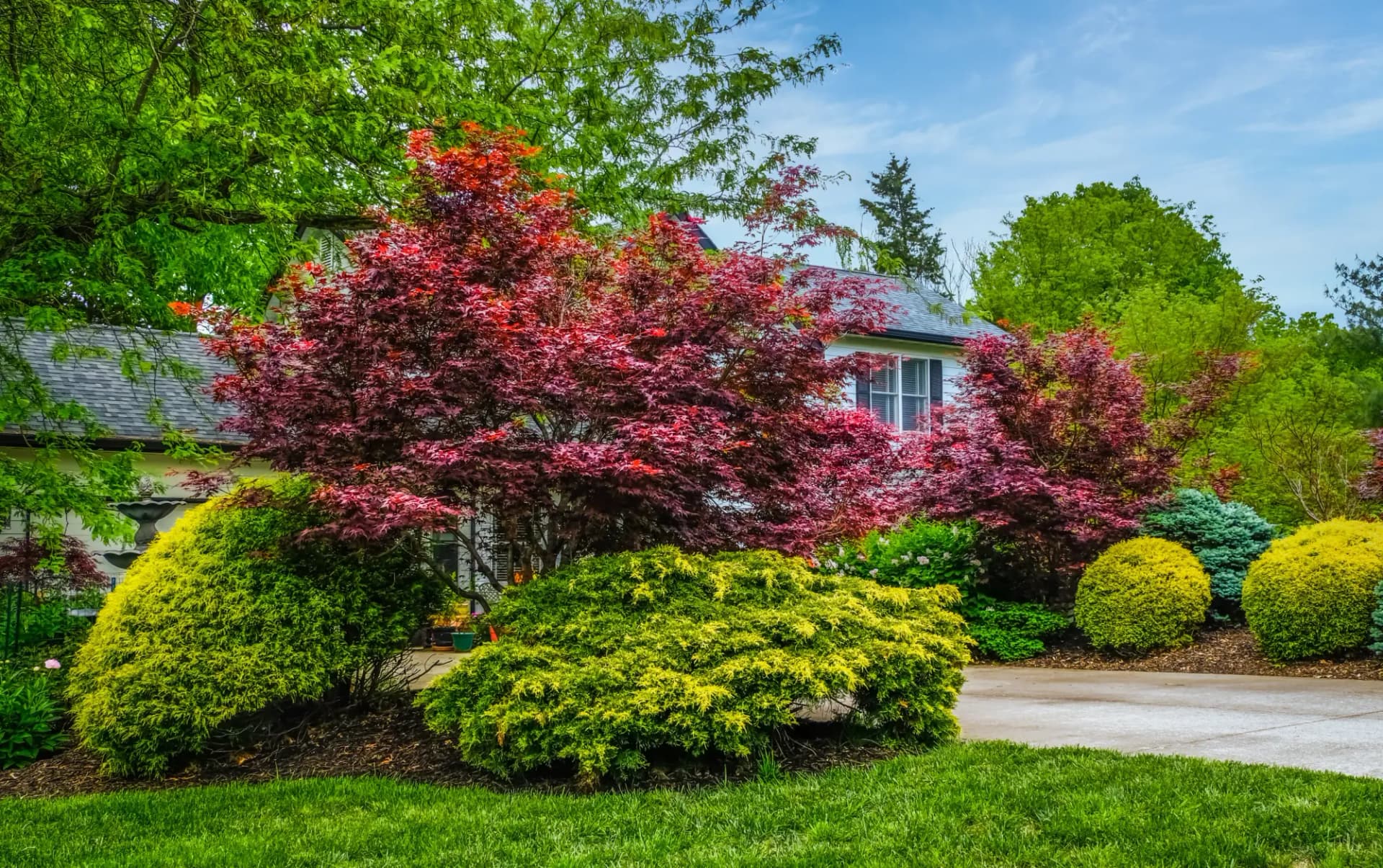
A front yard tree can stay for decades. Therefore, choosing one deserves serious consideration. Here are 13 trees that have proven themselves, sorted by their purpose. You'll also find five species to avoid and basic planting information.

Plant Recommendations
13 Best Front Yard Trees for Every Home and Yard
Plants That Repel Mosquitoes – 10 Effective Choices

8 min read · 6 Jul 2026

Plants That Repel Mosquitoes – 10 Effective Choices

Plants that repel mosquitoes can help mask human scent naturally and make outdoor spaces more comfortable. Explore the most effective options, their benefits and drawbacks, and choose the right plant for your space.

Plant Recommendations
Plants That Repel Mosquitoes – 10 Effective Choices