


Control Water Depth
Maintain a shallow water layer of 5–20 cm over the substrate and adjust seasonally, keeping it shallower in low light and slightly deeper in summer to prevent overheating of the root zone.

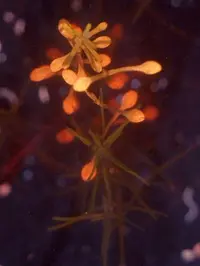
Pedunculate water-starwort (Callitriche brutia) is a small aquatic or semi-aquatic plant commonly found in slow-moving streams, ditches, ponds, and seasonal pools. It forms low, mat-like growth with fine stems and tiny opposite leaves that can create dense underwater carpets or floating patches.
This species is native to parts of Europe and the Mediterranean region but may appear in similar temperate climates elsewhere. Its adaptable growth habit and modest size make it relatively undemanding, provided it receives clean, cool water and stable moisture.
Light shade to full sun, soft water movement, and low to moderate nutrients usually suit it well. Understanding these natural conditions helps clarify how to care for Pedunculate Water-Starwort in garden ponds or aquaria.

Care Difficulty
Moderate Care

Light Preference
Partial Sun

Water Requirements
Aquatic

Temperature Preference
Cool Climate

Hardiness Zone
6–9

Soil Texture
Loamy, Silty, Organic-rich

Soil pH
Slightly acidic (6.5–7.0), Neutral (7.0)

Soil Drainage
Waterlogged tolerant

Fertilization
Minimal (feed rarely)
Scan your plant to receive care tips personalized for your specific plant
Available on iOS and Android
This aquatic plant prefers bright, mild light and is adapted to shallow, open water habitats.
This species is an aquatic plant that depends on consistently saturated conditions rather than intermittent watering.
This aquatic species prefers mild conditions but copes with a broad range in temperate climates.
This aquatic species is not sensitive to ambient air humidity, as long as water levels are stable.
Callitriche brutia thrives in permanently wet, fine-textured substrates that stay saturated without becoming anoxic.
This species adapts well to container culture in outdoor ponds, tubs, or water features.
Callitriche brutia usually grows in nutrient-poor water and needs only light fertilization in culture.
Callitriche brutia benefits from periodic trimming to maintain density and prevent overgrowth in confined water bodies.
In cultivation, Pedunculate Water-Starwort is usually transplanted rather than truly repotted, as it grows rooted or free-floating in shallow water.
Callitriche brutia is most often propagated vegetatively for predictable growth and coverage in ponds or aquaria.
Callitriche brutia is usually cold hardy in temperate ponds and often needs little targeted winter care.

Plant Health Check
Not sure what's wrong with your plant? Check your plant's health inside the app.
This species has a mainly Mediterranean distribution, occurring from the British Isles southward into central and southern Europe and around the Mediterranean Basin, often replacing other Callitriche species in warmer, more oceanic regions.
It shows modest leaf variation between submerged and floating shoots, but the difference is less dramatic than in some relatives, which has contributed to past confusion with other Callitriche species during field identification.
C. brutia tends to favor lowland sites with relatively mild, frost-free winters and can dominate small streams, ditches, and slow-flowing channels in such climates, where it forms dense mats that stabilize fine sediments.
This species spreads quickly by stem fragments and seed, forming dense mats in shallow, still or slow-moving water. In controlled garden ponds it can be managed by regular thinning and physical removal of excess growth.
Keep your plants happy and healthy with plant identification, disease detection, and easy care guidance.

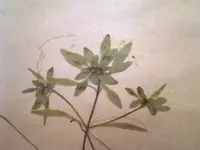
Intermediate Water-Starwort
Callitriche hamulata
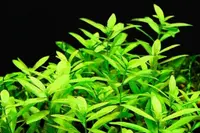
Indian swampweed
Hygrophila polysperma
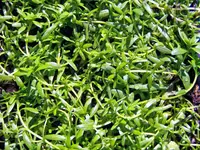
vernal water-starwort
Callitriche palustris
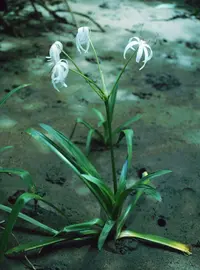
Crinum erubescens
Crinum erubescens
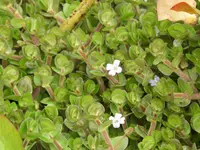
Bacopa salzmannii
Bacopa salzmannii

alligatorweed
Alternanthera philoxeroides
Umbrella Flat-Sedge
Cyperus alterniflorus
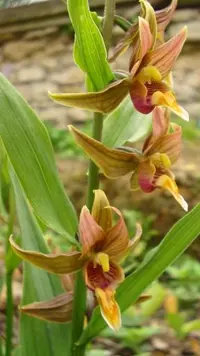
Stream orchid
Epipactis gigantea