Reduce Competition
Keep surrounding vegetation sparse during establishment by hand weeding or shallow hoeing so the young clumps are not outcompeted for light and nutrients.

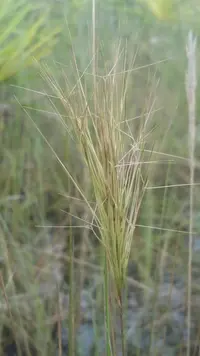
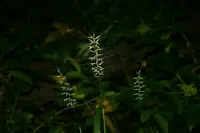
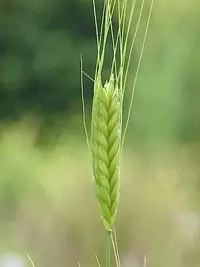
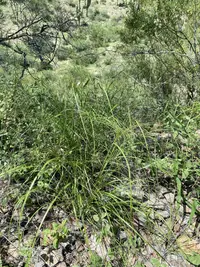
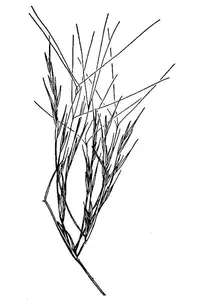
Bottlebrush threeawn (Aristida spiciformis) is a fine-textured perennial bunchgrass named for its brush-like seed heads. It forms narrow clumps with slender stems and delicate, wiry leaves. The seed heads carry three long, bristle-like awns that give the plant a soft, airy look, especially when backlit. This species is native to dry, open habitats in parts of North America, where it thrives in poor, sandy or rocky soils. It tends to be drought-tolerant once established but dislikes heavy, waterlogged ground. Those who want to care for bottlebrush threeawn should know it is best suited to sunny, low-fertility sites and generally needs minimal maintenance.

Care Difficulty
Easy Care

Light Preference
Full Sun

Water Requirements
Low Water

Temperature Preference
Warm Climate

Hardiness Zone
7–10

Soil Texture
Sandy, Loamy, Rocky

Soil pH
Slightly acidic (6.5–7.0), Neutral (7.0)

Soil Drainage
Well-drained

Fertilization
Minimal (feed rarely)
Scan your plant to receive care tips personalized for your specific plant
Available on iOS and Android
This warm-season grass thrives in open, bright conditions typical of dry prairies and sandy sites.
This species is drought-adapted and prefers dry, fast-draining soils over consistent moisture.
This grass is adapted to hot, dry climates and shows best growth in warm to hot weather.
This grass tolerates a wide humidity range and rarely needs special humidity management indoors or outdoors.
This species prefers lean, fast-draining, sandy soil that mimics dry grassland conditions.
This species can be grown in containers, mainly for ornamental or habitat plantings rather than long-term display.
Aristida spiciformis is a low-nutrient native bunchgrass that usually needs little or no fertilizer in typical garden soils.
Aristida spiciformis benefits from light maintenance pruning to keep the clump tidy and support fresh growth.
This grass is usually grown in the ground; transplanting established clumps of Aristida spiciformis is done infrequently.
Aristida spiciformis is most often propagated by seed, with occasional division of established clumps.
This species is generally cold hardy in its native range and usually needs minimal winter attention.

Plant Health Check
Not sure what's wrong with your plant? Check your plant's health inside the app.
Each spikelet carries three stiff awns that twist and angle the seed so wind and passing animals can move it across sandy or gravelly soils where it naturally occurs.
This species is native to nutrient-poor, often drought-prone sites in the southeastern United States and is able to persist where many more demanding grasses fail, making Aristida spiciformis care quite different from that of typical lawn grasses.
In its native range it often appears in early- to mid-successional open habitats, helping stabilize exposed soil before being gradually replaced if shrubs and taller grasses close the canopy.
This species can self-seed and form loose patches, but it is not typically aggressive in managed gardens. Lightly deadhead seed heads before they shatter if you want to limit spread and keep clumps more contained.
Keep your plants happy and healthy with plant identification, disease detection, and easy care guidance.