Pinch For Bushiness
Pinch out the soft shoot tips when plants are 10–15 cm tall to encourage dense, multi-stemmed growth and a heavier display of flower spikes later in the season.

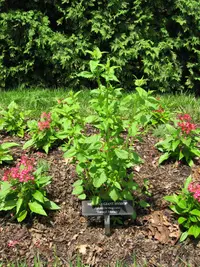
Mexican giant hyssop, Agastache mexicana, is a sun-loving, herbaceous perennial from Mexico known for its aromatic foliage and tall spikes of tubular flowers. Plants form upright, bushy clumps with mint-scented leaves and nectar-rich blooms that attract bees, butterflies, and hummingbirds.
It is commonly used in pollinator gardens, mixed borders, and herb plantings, offering color and scent over a long flowering season. Once established, it shows good drought tolerance and prefers well-drained soil, which makes it relatively low-maintenance.
For many gardeners, learning how to care for Mexican giant hyssop starts with providing full sun, moderate watering, and soil that does not stay wet for long periods.

Care Difficulty
Easy Care

Light Preference
Full Sun

Water Requirements
Low Water

Temperature Preference
Warm Climate

Hardiness Zone
6–10

Soil Texture
Sandy, Loamy, Rocky

Soil pH
Slightly acidic (6.5–7.0), Neutral (7.0)

Soil Drainage
Well-drained

Fertilization
Minimal (feed rarely)
Scan your plant to receive care tips personalized for your specific plant
Available on iOS and Android
This sun-loving perennial thrives with bright, direct light in most climates.
This species prefers dry to moderately moist conditions and dislikes sitting in wet soil.
This aromatic perennial prefers warm, dry conditions but can tolerate moderate cold when established.
This species prefers dry to moderately dry air and rarely needs extra humidity.
Soil for Agastache mexicana must be light, well-draining, and never waterlogged.
This species is suitable for container growing when drainage and root space are carefully managed.
Agastache mexicana benefits from modest, consistent feeding in well-drained soil during the active growing season.
Pruning Agastache mexicana maintains a compact shape and encourages more flowers.
This species is usually grown in garden beds but can be transplanted or moved in containers when necessary.
Agastache mexicana is commonly propagated by seed, division, or softwood cuttings.
In many temperate regions, Mexican giant hyssop is reasonably cold hardy but benefits from simple winter care.

Plant Health Check
Not sure what's wrong with your plant? Check your plant's health inside the app.
The leaves of this species release a strong anise or licorice-like aroma when crushed, due to volatile compounds such as anethole and related phenylpropanoids commonly found in aromatic herbs.
This plant is native to the highlands of central Mexico, where it commonly grows on sunny, well-drained slopes and open areas at elevated altitudes with cool nights and strong light.
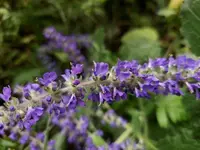
Its long tubular magenta to purple flower spikes are structurally adapted for pollination by hummingbirds, which can access the nectar with their long bills while transferring pollen between plants.

In parts of central Mexico, traditional celebrations and home gardens have long included this species both as an ornamental and as a flavorful herb for brewing aromatic tisanes, giving it a dual role as a cultural and culinary plant.
Lack of blooms often comes from too much shade, overly rich nitrogen fertilizer, or plants that are still immature. Ensure strong light, avoid heavy feeding, and deadhead spent spikes so energy supports new flower production rather than seed.
Keep your plants happy and healthy with plant identification, disease detection, and easy care guidance.

-1-200x133.webp)