marayaú Care (Bactris major)

marayaú

About marayaú

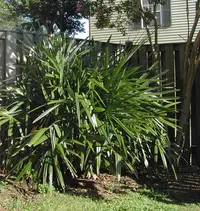
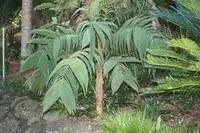
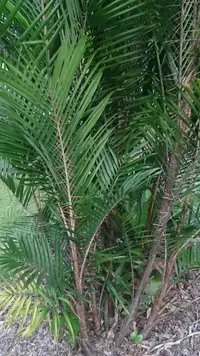
Marayaú, or Bactris major, is a clumping palm native to tropical regions of Central and South America, often found along riverbanks and in moist forests. It typically forms dense thickets of slender, upright stems covered with spines and topped by narrow, feathery leaves. Small fruits may appear in clusters, adding interest but mainly serving wildlife rather than ornamental use. This species prefers consistently warm, humid conditions and does best with bright light, regular moisture, and well-drained soil. Due to its spines and need for tropical conditions, it is more suitable for experienced growers who want to care for marayaú in a controlled setting such as a greenhouse.

Main Plant Requirements

Care Difficulty

Hard Care

Light Preference

Partial Sun

Water Requirements

Keep Soil Moist

Temperature Preference

Tropical / Frost Sensitive

Hardiness Zone

11–13

Soil Texture

Loamy, Silty, Organic-rich

Soil pH

Acidic (5.5–6.5)

Soil Drainage

Moist but well-drained

Fertilization

Minimal (feed rarely)

Get Personalized Care Plan

Scan your plant to receive care tips personalized for your specific plant

Available on iOS and Android

How to Care for the marayaú

Bactris major prefers bright, humid tropical light similar to a rainforest edge or broken canopy.

  • Provide 4–6 hours of gentle sun daily, ideally morning sun with light afternoon shade or high, filtered light under taller trees.
  • Plant marayaú where it receives dappled shade at midday; strong, unfiltered afternoon sun can scorch fronds and bleach leaf color.
  • In subtropical areas, give more sun in cool seasons and more shade in summer; stretched, pale growth indicates too little light, while crisp brown tips signal excess sun.

This palm favors consistently moist but not stagnant soil, reflecting its native lowland habitats.

  • Aim for evenly moist soil; allow only the top 2–3 cm to lose surface gloss before irrigating, especially on sandy or fast-draining sites.
  • Increase watering during hot, dry periods when new fronds are expanding; reduce slightly in cooler months to avoid prolonged saturation.
  • Yellowing, soft bases and sour smell suggest overwatering or poor drainage; dry, browning leaflet tips and slow unfolding spears indicate underwatering in Bactris major.

This species thrives in warm, frost-free climates typical of lowland tropics.

  • Optimal growth occurs around 75–86°F (24–30°C), with steady warmth and humidity supporting continuous leaf and stem development.
  • The palm is damaged near 40°F (4°C) and can be killed by frost; protect from cold snaps and avoid planting in known frost pockets.
  • Short hot spells up to about 95°F (35°C) are tolerated if soil moisture is maintained; combine heat with shade during extreme heat waves to prevent leaf scorch.

This palm prefers consistently humid air similar to its native tropical habitat.

  • Aim for 60–80% humidity; it tolerates brief dips to 40–50% but growth slows.
  • Crisping leaflet tips, stalled new fronds, and spider mite outbreaks signal humidity stress in marayaú.
  • Increase humidity with grouped plants, a nearby humidifier, or an evaporative tray rather than misting fronds directly.

This species needs deep, moist, well-aerated soil to support its clumping palm root system.

  • Use a rich loamy mix with 40–60% organic matter plus coarse sand to keep pores open.
  • Ensure fast drainage; standing water around the root zone promotes rot and anaerobic conditions.
  • Keep pH slightly acidic to neutral, around 6.0–7.0, to support nutrient availability for Bactris major.
  • Improve aeration by blending compost with chunky bark and a small portion of perlite, avoiding heavy clay or compacted ground.

This palm can be grown in large containers when given enough depth and stable support.

  • Choose a tall, heavy container to balance the clumping, spiny stems and reduce tipping in wind.
  • Select thick-walled plastic or fiberglass if outdoor to moderate moisture loss while still allowing manageable weight.
  • Provide multiple large drainage holes so excess water escapes quickly and the lower substrate does not stay waterlogged.

Bactris major benefits from modest, steady feeding rather than heavy fertilization.

  • Use a balanced slow-release fertilizer (around 10-10-10) or well-rotted compost at the start of the warm growing season.
  • Feed outdoor marayaú every 2–3 months during active growth, depending on soil fertility and rainfall.
  • Apply at 1/2–3/4 the label rate to avoid salt buildup and root burn, especially in containers.
  • Stop or greatly reduce feeding in late fall and winter, when growth slows or pauses.

Pruning Bactris major focuses on safety, sanitation, and maintaining a tidy clump.

  • Schedule main pruning at the end of the dry or cool season, before strong new growth begins.
  • Cut out dead, diseased, or storm-damaged fronds and stems at the base with clean, sharp loppers or a pruning saw.
  • Remove crowded or crossing stems to improve airflow, light penetration, and access around the clump.
  • Avoid heavy thinning in one season; gradual removal maintains vigor and reduces stress on the palm.

This palm is usually grown in the ground, so transplanting young plants is more common than repotting mature clumps.

  • Look for roots circling the pot, water running straight through, or slowed growth as signs a container plant needs a larger space.
  • Transplant in warm, stable weather, typically late spring to early summer, when root growth is active.
  • Move up only 1–2 pot sizes or into a well-drained, amended planting hole to limit transplant shock.
  • Keep the root ball intact, water deeply, shade slightly for 1–2 weeks, and maintain even moisture until the plant re-establishes.

Propagation of Bactris major is usually done by seeds and sometimes by division of offsets from established clumps.

  • Collect ripe fruits, clean the seeds, and sow them in a sterile, well-drained mix kept at 75–85°F for best germination.
  • Expect slow, irregular sprouting; maintain steady warmth and consistent but not waterlogged moisture.
  • For division, separate small suckers with attached roots at the start of the warm rainy season.
  • Plant divisions immediately, keep shaded and evenly moist, and reduce leaf area slightly to lower transpiration stress.

This tropical palm is frost sensitive and needs protection in regions with cool or freezing winters.

  • In areas below 40°F, grow in containers and move plants indoors or to a heated greenhouse before the first frost.
  • Mulch the root zone with 5–10 cm of organic material in marginal climates to buffer soil temperatures.
  • Wrap young or exposed stems with breathable frost cloth during cold snaps to reduce freezing injury.
  • Reduce watering in winter, keeping soil just slightly moist to prevent root rot in cool conditions.

Care Tips

Spine-safe handling

Use thick leather gloves and long sleeves when transplanting or cleaning around this spiny palm, and place containers or in-ground plantings where people and pets do not brush against the stems regularly.

Wind protection setup

Install a porous windbreak such as shade cloth, slatted fencing, or a hedge on the windward side to reduce frond tearing and mechanical stress on the clustered stems in exposed sites.

Cluster management

Thin out weak or overcrowded stems at the base every few years with disinfected tools to maintain good air flow, reduce disease pressure, and keep the clump at a manageable diameter.

Mulch ring maintenance

Maintain a 5–8 cm deep ring of coarse organic mulch around but not touching the stems to stabilize soil moisture, protect surface roots, and reduce weed competition without inviting rot.

Wildlife and fruit hygiene

When fruiting, harvest ripe clusters promptly or collect fallen fruit frequently to limit attraction of rodents and insects, and use this regular cleanup to monitor overall health while growing marayaú.

Common Pests and Diseases

Rhynchophorus palm weevils

This pest bores into the palm crown and trunk, causing internal damage that leads to spear leaf collapse and eventual death of the growing point.

Solution

Remove and destroy heavily infested plants, since internal damage is usually irreversible, and monitor nearby palms with pheromone or food-baited traps; in outdoor plantings, apply a systemic insecticide labeled for palm weevils to the crown area and trunk during active seasons, and avoid wounding the stem, which attracts adults.

Palm leaf skeletonizers

These insects feed between the surfaces of leaflets, leaving transparent, skeletonized patches and brown, dead tissue on fronds.

Solution

Prune and dispose of affected fronds to physically remove larvae and pupae, then monitor new growth and apply a targeted Bacillus thuringiensis (Bt) or other biological larvicide to young leaves if fresh feeding damage appears; avoid broad-spectrum sprays that harm natural enemies unless damage is severe.

Scale insects

This pest attaches to stems and leaf stalks, sucking sap and causing yellowing, stunting, and sticky honeydew that encourages sooty mold growth.

Solution

Wipe or gently scrub accessible clusters with a cloth dipped in mild soapy water or alcohol, then follow with applications of horticultural oil or insecticidal soap directed at the undersides of leaf stalks and crown bases; improve vigor of the palm with proper watering and nutrition to help it tolerate low-level infestations.

Bud rot

This disease affects the central growing point, leading to soft, water-soaked tissue, foul odor, and collapse of the spear leaf and youngest fronds.

Solution

Remove and destroy the rotting spear and any obviously infected tissue, keep the crown area as dry as site conditions allow, and drench the crown with a copper-based or phosphonate fungicide labeled for palm bud rot; avoid overhead irrigation on the crown and ensure good drainage to reduce future infections.

Leaf spot disease

Symptoms include small brown or gray lesions on leaflets that can merge into larger blotches, sometimes with yellow halos, reducing photosynthetic area and weakening the palm.

Solution

Prune and discard badly spotted fronds to lower the source of spores, water at soil level rather than over the foliage, and improve spacing and airflow; in humid climates or persistent cases, apply a preventive fungicide labeled for palm leaf spots to newly emerging fronds during wet, warm periods as part of broader Bactris major plant care.

Interesting Facts

Neotropical palm clusters

This species forms dense, multi-stemmed clumps in lowland tropical forests from Central to northern South America, often creating thickets that influence how light and understory plants are distributed.

Spiny stem defense

It bears prominent spines on its stems and leaf sheaths, which act as a mechanical defense against herbivores and help protect tender growing tissues from large browsing animals.

Fruit for wildlife

Its fleshy fruits are eaten by birds and mammals in its native range, making it an important small-scale food source and a local contributor to seed dispersal dynamics in Neotropical forests.

FAQs about marayaú

The fruits are edible and traditionally consumed in parts of its native range, often fresh or processed. Spines on the trunk and leaf bases require careful handling during harvest to avoid injury while collecting clusters.

Grow Healthy Plants with Botan Care

Keep your plants happy and healthy with plant identification, disease detection, and easy care guidance.

Botan plant care app — identify plants on mobile

Explore More Plants