climbing cactus Care (Epiphyllum phyllanthus)

climbing cactus

About climbing cactus

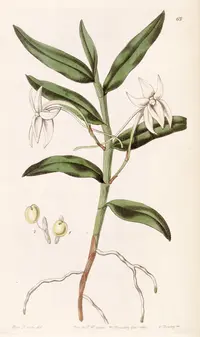
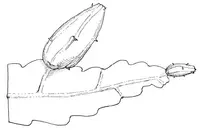
Epiphyllum phyllanthus, often called climbing cactus or orchid cactus, is an epiphytic cactus that naturally drapes and climbs through tropical forests of Central and South America. It grows long, flat, segmented stems that arch or trail, forming a layered, architectural look.

Large, showy, often fragrant flowers open mainly at night, which is a key attraction for collectors and indoor growers. Compared with desert cacti, it prefers filtered light, moderate moisture, and a loose, airy potting mix.

Once its basic needs are understood, it is considered moderately easy to care for climbing cactus in homes and bright sheltered patios.

Main Plant Requirements

Care Difficulty

Moderate Care

Light Preference

Bright Indirect Light

Water Requirements

Moderate Water

Temperature Preference

Tropical / Frost Sensitive

Hardiness Zone

10–11

Soil Texture

Sandy, Loamy, Organic-rich

Soil pH

Acidic (5.5–6.5), Slightly acidic (6.5–7.0)

Soil Drainage

Moist but well-drained

Fertilization

Light (every 4–6 weeks)

Get Personalized Care Plan

Scan your plant to receive care tips personalized for your specific plant

Available on iOS and Android

How to Care for the climbing cactus

Epiphyllum phyllanthus prefers bright, indirect light that mimics dappled forest canopy conditions.

  • Provide 6–8 hours of bright, filtered light daily, such as near an east window or under 30–50% shade cloth outdoors.
  • Tolerates partial shade, but very low light leads to weak, stretched stems and poor flowering in this climbing cactus.
  • Protect from harsh midday and afternoon sun; strong direct light can scorch stems, causing yellow or reddish patches, especially in summer.

This epiphytic cactus prefers slightly moist but never soggy conditions, with brief drying between waterings.

  • Before watering, let the top 2–4 cm of the mix dry; in active growth, this may mean watering when stems soften slightly or soil feels barely dry.
  • In winter or cool periods, reduce watering so the top 4–6 cm dries and growth slows, helping prevent root problems.
  • Watch for overwatering signs such as limp, blackening stems and sour-smelling soil; deep wrinkles and extreme stem softness usually indicate underwatering.

Stable, warm conditions support strong growth and flowering for Epiphyllum phyllanthus.

  • Aim for 65–80°F (18–27°C) during active growth, with slightly cooler nights to encourage bud formation.
  • Protect from cold; growth slows below 55°F (13°C), and sustained exposure under 40°F (4°C) can cause tissue damage or death.
  • Tolerates short hot spells up to about 90°F (32°C) if shaded and well-ventilated, but prolonged heat with dry air can stress stems and reduce flowering.

This epiphytic cactus prefers moderately humid air and reacts quickly to very dry conditions.

  • Aim for 50–70% humidity; it tolerates brief drops lower but growth may slow.
  • In dry heated rooms, climbing cactus may show limp, wrinkling stems and browning edges from low humidity.
  • Increase humidity with a nearby open tray of water and pebbles, grouping plants, or a room humidifier rather than misting heavily.

This species needs a loose, airy, organic-rich mix that drains fast but holds light, even moisture.

  • Use a mix of roughly 40% fine orchid bark, 30% peat or coco coir, 20% perlite, and 10% compost.
  • Structure should be chunky and fibrous so roots get both moisture and large air pockets, mimicking its natural epiphytic habitat.
  • Aim for slightly acidic to neutral pH around 5.5–6.5, which supports nutrient uptake for Epiphyllum phyllanthus.
  • Avoid dense garden soil, heavy peat with no coarse material, or mixes that stay wet more than 2–3 days after watering.

This species is well suited to container culture, including hanging baskets, due to its pendent stems and shallow roots.

  • Choose a wide, relatively shallow pot that matches the shallow root system yet offers lateral space for spreading roots.
  • Select a stable, heavier container or one that can be securely hung so long stems do not tip or twist the pot.
  • Use a pot material with moderate porosity, such as unglazed clay, to prevent prolonged saturation while still buffering sudden moisture swings.

Epiphyllum phyllanthus benefits from modest feeding to support foliage and flowering, especially when grown as a climbing cactus indoors.

  • Use a balanced liquid fertilizer (around 10-10-10) diluted to 1/4–1/2 strength every 4 weeks during the active growing season.
  • Alternatively, apply a light top-dressing of fine compost or a low-dose slow-release fertilizer at the start of spring.
  • Stop feeding or reduce to 1 very light application for the whole period during fall and winter dormancy.
  • Always water lightly before applying fertilizer to reduce root burn risk, especially in container-grown plants.

Thoughtful pruning keeps Epiphyllum phyllanthus compact, better lit, and more floriferous.

  • Plan main pruning for late winter to early spring, before strong new growth starts.
  • Remove dead, damaged, or shriveled stems first, then thin crowded segments to open the plant center.
  • Shorten overly long or unbalanced stems to refine shape and prevent breakage under their own weight.
  • Use clean, sharp pruning shears or a knife, disinfecting blades between cuts to limit disease spread.

Container-grown plants benefit from occasional repotting to maintain healthy roots and stable growth.

  • Check for roots circling the pot, emerging from drainage holes, or slowed growth as signs it needs a larger container.
  • Plan to repot every 2–3 years in late winter or early spring, just before new growth begins.
  • Choose a shallow, slightly wider pot with a free-draining, airy mix suited to epiphytic cacti, and keep the root ball intact.
  • Water lightly after repotting, keep in bright indirect light, and avoid heavy fertilization for 2–3 weeks to reduce transplant shock.

This species is commonly multiplied by stem cuttings, which root reliably under suitable conditions.

  • Take healthy, mature stem segments in late spring or early summer, avoiding very young or very old tissue.
  • Allow cut surfaces to callus for 2–5 days in a dry, shaded spot to reduce rotting risk.
  • Insert callused segments upright into a slightly moist, well-drained mix and keep in bright, indirect light at 70–80°F.
  • Maintain lightly moist, not wet, conditions and avoid strong fertilizer until new growth confirms successful rooting.

This tropical cactus is frost-sensitive and needs cool, dry, but nonfreezing conditions in winter.

  • Move container plants indoors or to a frost-free greenhouse before temperatures drop below 50°F.
  • Provide bright, indirect light and keep temperatures around 55–65°F to support a mild rest period.
  • Water sparingly, allowing most of the potting mix to dry, and avoid high-nitrogen feeding in winter.
  • Keep plants away from cold drafts and uninsulated windows to prevent stem damage from sudden temperature swings.

Care Tips

Segment support strategy

Attach long, pendent stems to a lightweight trellis, hoop, or hanging frame using soft ties so segments do not crease at the base under their own weight and can present flowers outward for better display.

Night pollination aid

If blooms are desired for seed or fruit, hand‑pollinate freshly opened night flowers with a small, soft brush between compatible plants, working soon after dusk when anthers are fully dusted with pollen.

Flower bud protection

Once buds form, keep the plant in a stable position and avoid rotating or moving the pot, since sudden changes in light direction or mechanical bumping often trigger bud drop.

Root-zone management

Use a wide, shallow pot and refresh the top 2–3 cm of mix every spring to keep the epiphytic roots aerated while avoiding frequent full repotting, which this species resents when done too often.

Sanitation and inspection

During routine caring for climbing cactus, wipe stems gently with a damp cloth every 1–2 months to remove dust and check closely for scale or mealybugs along ribs and areoles so infestations are caught early.

Common Pests and Diseases

Mealybugs

This pest often hides in areoles, stem joints, and along leaf-like cladodes, sucking sap and causing yellowing, distortion, and sticky honeydew. Symptoms include cottony white clusters that may lead to sooty mold growth on affected stems.

Solution

Isolate the plant, then dab visible insects with cotton swabs dipped in 70% isopropyl alcohol and gently wipe away cottony masses. Repeat inspections weekly, rinse stems with a gentle shower of lukewarm water, and, for heavier infestations, use a neem oil or insecticidal soap spray labeled for cacti and succulents, ensuring good coverage on both sides of the stems.

Scale insects

These insects attach to the flattened stems as small, tan to brown bumps and feed on plant sap, leading to slow decline, yellow patches, and reduced flowering. Honeydew may appear, encouraging black sooty mold on the surface of the cladodes.

Solution

Scrape or rub off individual scales with a soft cloth or toothbrush, then wash stems under a gentle stream of water. Follow up with 2–3 treatments of neem oil or insecticidal soap at 7–10 day intervals, and keep the plant slightly more shaded and unstressed while it recovers to support overall Epiphyllum phyllanthus plant care.

Red spider mites

This pest thrives in warm, dry indoor air and forms fine webbing along the edges of cladodes, causing stippled, dull, or bronzed tissue. Symptoms include slowed growth and a generally dusty, unhealthy appearance of the stems.

Solution

Increase humidity around the plant, then rinse stems thoroughly under a lukewarm shower or with a handheld sprayer, paying attention to crevices. For persistent mites, treat with insecticidal soap or a miticide labeled for ornamental plants, repeating every 5–7 days until no new webbing or stippling appears and improving airflow to reduce future outbreaks.

Fungal stem spot

This disease causes small, dark, sunken spots or lesions on the flattened stems, often following mechanical damage or prolonged leaf wetness. Spots may enlarge, turn corky, and in severe cases lead to segment dieback.

Solution

Cut out affected segments with a sterile blade, disposing of them away from other plants, and keep remaining stems dry when watering. Improve airflow, avoid overhead watering, and, in humid conditions or repeated cases, apply a copper-based or broad-spectrum fungicide labeled for cacti and succulents according to the product directions.

Bacterial soft rot

This disease starts as water-soaked, translucent patches on stems that quickly become mushy, brown, and foul-smelling. Symptoms include rapid collapse of affected cladodes, especially after injury, overwatering, or very high humidity with poor air circulation.

Solution

Immediately remove and discard all mushy, infected tissue, cutting well into healthy, firm stem with a sterilized tool and allowing cuts to dry and callus in bright, indirect light. Reduce watering until potting mix is almost dry between waterings, increase airflow around the plant, and avoid splashing water on stems or leaving moisture trapped in stem joints.

Interesting Facts

Night-blooming strategy

This species produces large, fragrant white flowers that open only at night and typically last for a single night, an adaptation for pollination by nocturnal animals such as moths and bats in its native tropical forests.

True epiphytic habit

In the wild, this cactus usually grows as an epiphyte high in tree canopies, anchoring to bark rather than rooting in soil, and absorbs moisture and nutrients from rain, organic debris, and humid air.

Flattened leaflike stems

What looks like leaves are actually flattened, segmented stems called cladodes, which carry out photosynthesis while also storing water, allowing the plant to tolerate short dry periods in the canopy.

Botan icon

Did you know?

In its native range in Central and South American rainforests, this species often forms large, pendulous curtains of stems several meters long hanging from host tree branches, creating distinctive green cascades that can be visible from the forest floor even when the plant is not in bloom.

FAQs about climbing cactus

Lack of blooms usually comes from insufficient light, too much nitrogen fertilizer, or no cool, drier rest period before spring. Mature segments flower best when slightly pot-bound and kept on a consistent, not constantly wet, moisture schedule.

Grow Healthy Plants with Botan Care

Keep your plants happy and healthy with plant identification, disease detection, and easy care guidance.

Botan plant care app — identify plants on mobile

Explore More Plants