Malayan Urn Vine Care (Dischidia major)

Also known as: Raffles' Dischidia
Malayan Urn Vine

About Malayan Urn Vine

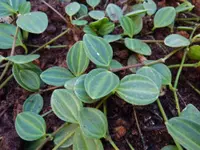
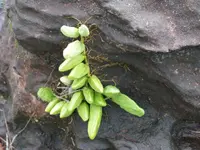
Malayan urn vine, Dischidia major, is a semi-succulent epiphytic vine often grown in hanging baskets for its unusual, hollow, urn-shaped leaves. These inflated leaves can hold water and organic debris, helping the plant cope with periods of dryness and making it relatively forgiving for indoor growers.

In nature it occurs in tropical forests of Southeast Asia, where it climbs on trees and receives bright, filtered light and good air movement. It stays compact in pots but can trail quite long, so it suits small spaces and vertical displays.

Overall it is considered moderately easy, as long as it receives bright indirect light, a very airy potting mix, and careful watering; understanding how to care for Malayan Urn Vine becomes simpler once these needs are clear.

Main Plant Requirements

Care Difficulty

Moderate Care

Light Preference

Bright Indirect Light

Water Requirements

Moderate Water

Temperature Preference

Tropical / Frost Sensitive

Hardiness Zone

11–12

Soil Texture

Sandy, Organic-rich

Soil pH

Acidic (5.5–6.5)

Soil Drainage

Well-drained

Fertilization

Light (every 4–6 weeks)

Get Personalized Care Plan

Scan your plant to receive care tips personalized for your specific plant

Available on iOS and Android

How to Care for the Malayan Urn Vine

Dischidia major prefers bright, indirect light that mimics dappled forest canopy conditions.

  • Provide 6–8 hours of bright, filtered light each day; a spot with morning sun and shaded or sheer-curtained afternoon light suits Malayan Urn Vine well.
  • Protect from harsh midday or strong afternoon sun, which can cause leaf scorch, yellow patches, or dry, crispy edges.
  • In lower light or deeper shade, stems stretch and foliage thins; move gradually to a brighter position, especially in winter when natural light intensity drops.

This epiphytic plant prefers consistent light moisture with good air around the roots rather than heavy, soaking conditions.

  • Allow the top 2–3 cm of the potting mix to dry before watering, then water thoroughly so excess drains away, avoiding any standing water in trays or cachepots.
  • In spring and summer, expect to water more often as warmth and growth increase; in fall and winter, extend the drying period and water less frequently.
  • Signs of overwatering include yellowing, soft leaves, and a sour smell from the mix, while underwatering shows as limp, wrinkled foliage that firms up after a thorough drink, which is key for Dischidia major.

This species prefers warm, stable conditions with no exposure to frost.

  • Aim for daytime temperatures of 65–80°F (18–27°C) for steady growth, with only a slight drop at night.
  • Keep it above 55°F (13°C); prolonged exposure near or below this level can cause leaf drop and root damage, and the plant is not frost tolerant at all.
  • It copes with short heat spikes up to about 90°F (32°C) if shaded and given good airflow, but avoid placing it near heaters, cold drafts, or air-conditioning outlets.

This species prefers moderately high humidity but adapts to typical indoor conditions if not overly dry.

  • Aim for 50–70% humidity to keep leaves plump and urns forming well on Malayan Urn Vine.
  • In very dry air, tips may brown, leaves may curl slightly, and growth can slow.
  • Increase humidity by grouping plants, placing pots on pebble trays with water, or using a small room humidifier near but not blowing directly on the plant.

Dischidia major requires a very airy, fast-draining mix that mimics an epiphytic or basket-growing environment.

  • Use a base of fine orchid bark or coconut husk chips with added perlite and a small amount of peat or coco coir.
  • Aim for a loose, chunky structure that drains within seconds yet holds slight moisture around the roots.
  • Keep soil slightly acidic to neutral, around pH 5.5–7.0, avoiding heavy lime additions.
  • Avoid dense potting mixes, compacted peat, or mixes that stay soggy, which encourages root rot and poor aeration.

This species is very suitable for container growing, especially in hanging baskets or wall pots.

  • Select a shallow to medium-depth pot that matches the relatively fine root system rather than an oversized, deep container.
  • Use containers with generous drainage holes so water exits rapidly and does not pool at the base.
  • Choose lighter plastic or fiberglass hanging pots only if they remain stable once vines trail, or use a heavier pot to prevent tipping from top growth.

Dischidia major benefits from light, dilute feeding rather than heavy fertilization.

  • Use a balanced liquid fertilizer (around 10-10-10 or 20-20-20) at 1/4–1/2 strength for Malayan Urn Vine.
  • Feed every 4–6 weeks during spring and summer when growth is active.
  • Skip or halve feedings in fall and winter to match slower growth.
  • Avoid compost-heavy mixes; epiphytic roots prefer low-nutrient, well-aerated substrates.

Pruning Dischidia major is mainly used to control length and maintain a compact, tidy plant.

  • Best time to prune is in late winter or early spring before vigorous new growth starts.
  • Remove dead, damaged, or very thin stems first, then shorten overly long or tangled vines.
  • Use clean, sharp scissors or snips to make cuts just above a node to encourage branching.
  • Light shaping after flowering can improve density without stressing the plant.

This epiphytic vine prefers tight conditions and only needs infrequent repotting or mounting changes.

  • Repot every 2–3 years or when roots circle the pot, drain poorly, or growth slows noticeably.
  • Choose late spring to early summer, when temperatures are warm and recovery is fastest.
  • Shift to a slightly larger container with airy, fast-draining mix, keeping roots as undisturbed as possible.
  • Water lightly after repotting, keep in bright indirect light, and avoid heavy feeding for 2–3 weeks.

Dischidia major is most commonly propagated from stem cuttings taken during active growth.

  • Take 7–10 cm cuttings in late spring or summer with at least 2–3 nodes per piece.
  • Remove lower leaves and insert the cut end into moist, airy mix or sphagnum moss.
  • Maintain high humidity (50–70%) and bright, indirect light while roots form.
  • Bottom warmth around 70–80°F and minimal movement of cuttings improve rooting success.

This tropical vine is frost sensitive and needs mild, stable conditions through winter.

  • Keep plants above 55–60°F; avoid drafts and sudden temperature drops.
  • Move outdoor containers indoors before night temperatures fall below 60°F.
  • Provide bright, indirect light and reduce watering so the mix dries slightly more between waterings.
  • Do not fertilize in winter and check for pests that may spread in warm indoor air.

Care Tips

Use airy mounts

Attach stems to a piece of cork, bark, or a slatted mount with soft ties so roots can cling and dry quickly between waterings, which closely mimics how it grows on trees in nature.

Support pendant vines

Install a small wall hook, wire grid, or hanging rail and gently guide new runners along it so the plant forms an even curtain of foliage instead of tangling on itself.

Rotate for even growth

Turn the pot or mount 90° every 2–3 weeks so all sides receive similar light exposure and the plant does not become one-sided or sparse in shaded areas.

Use breathable containers

If growing in a pot, choose a shallow, wide container with multiple drainage holes or a terracotta orchid basket to keep roots well-aerated and reduce the risk of rot.

Check urns for debris

Rinse or gently shake the hollow urn-like leaves every few months to remove trapped dust or old organic debris that can attract pests when caring for Malayan Urn Vine.

Common Pests and Diseases

Mealybugs

This pest feeds on sap and hides in leaf joints and inside the urn-like leaves, often leaving white cottony clusters. Symptoms include sticky honeydew, distorted new growth, and slow decline of the vine.

Solution

Isolate the plant, then dab visible insects with cotton swabs dipped in 70% isopropyl alcohol and rinse crevices gently with lukewarm water. Follow with repeated treatments using a mild insecticidal soap or neem oil spray every 7–10 days, paying special attention to the inside of the hollow leaves and tight nodes, and improve air movement around hanging baskets.

Scale insects

These insects appear as small brown or tan bumps along stems and on the outside of urns, where they suck sap and cause yellowing and thinning of foliage. Honeydew and sooty mold may develop on leaves below heavy infestations.

Solution

Scrape or wipe off visible scale with a soft cloth or fingernail, then apply horticultural oil or neem oil to thoroughly coat stems and leaf bases. Repeat at 7–14 day intervals and reduce plant stress by providing bright filtered light and avoiding excess fertilizer, which can encourage soft, susceptible growth.

Spider mites

This pest thrives in warm, dry indoor air and feeds on the thin leaves, causing fine speckling, dull coloration, and sometimes delicate webbing on the vines. Symptoms include leaves that lose their glossy look and may drop prematurely under severe infestations.

Solution

Rinse the plant under a gentle lukewarm shower, including the undersides of leaves and between urns, then increase humidity to 50–60% and avoid placing the plant near heating vents. For ongoing control, use insecticidal soap or neem oil every 5–7 days until no new mite activity appears, and monitor closely when caring for Malayan Urn Vine in very dry homes.

Fungal leaf spot

This disease causes small water-soaked spots on the fleshy leaves that enlarge into brown or tan lesions, sometimes with a darker border. Symptoms include premature leaf drop on overcrowded, poorly ventilated vines.

Solution

Remove and discard affected leaves, then improve air circulation by thinning overly dense stems and avoiding overhead watering that wets foliage. Allow the plant to dry slightly between waterings, and if spotting continues, use a copper-based or other houseplant-safe fungicide according to label directions, focusing on the foliage but keeping it out of the urn cavities.

Bacterial blight

This disease produces irregular, dark, often greasy-looking patches on leaves and tender stems, which may spread quickly in warm, humid conditions. Symptoms include wilted sections, collapsing leaves, and a foul smell if tissue breaks down inside the urn-like leaves.

Solution

Prune out and discard all affected tissue with sterilized tools, cutting back into healthy green growth and avoiding water splashing from sick to healthy areas. Reduce overhead misting, water at the substrate level, increase airflow around the plant, and if the problem is advanced, consider taking healthy cuttings from clean sections to restart the plant in fresh, sterile medium.

Interesting Facts

Urn-shaped leaf pitchers

This species produces modified, hollow leaves that inflate into urn-like pitchers, which naturally collect water and organic debris and provide extra humidity around the plant’s roots and stems.

Ant-associated lifestyle

In its native Southeast Asian habitats, this plant frequently grows as an epiphyte on trees and is associated with ants, which may use the hollow urn leaves as shelter while contributing nutrients from their waste.

Milky latex sap

Like many members of the Apocynaceae family, it exudes a white, milky latex when cut or damaged, a defensive sap that deters many herbivores from feeding on its tissues.

Botan icon

Did you know?

The urn-like leaves of this species can host miniature communities of organisms such as small invertebrates and microalgae, turning each inflated leaf into a tiny microhabitat suspended in the forest canopy.

FAQs about Malayan Urn Vine

Yellowing leaves usually result from excess moisture around the roots, poorly draining substrate, or long-term nutrient depletion. Check for soggy mix, improve aeration, and remove old yellow leaves so the plant can redirect energy to healthy growth.

Grow Healthy Plants with Botan Care

Keep your plants happy and healthy with plant identification, disease detection, and easy care guidance.

Botan plant care app — identify plants on mobile

Explore More Plants