Mimic bog hydrology
Plant in a contained bog bed or large tray with an overflow hole set just above soil level to keep roots constantly moist while preventing prolonged submersion of the crowns.

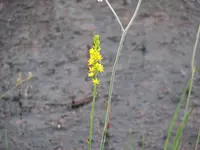
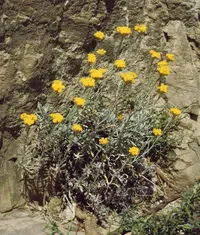
Yellow asphodel, Narthecium americanum, is a small perennial wetland plant known for its upright stems topped with bright yellow star-shaped flowers. It typically forms loose clumps with narrow, grass-like leaves and a modest height, giving a delicate but structured look in boggy settings.
This species is native to acidic bogs and wet savannas of the eastern United States, where it grows in open, sunny, consistently moist habitats. In cultivation it can be challenging, as it dislikes drying out, prefers poor, acidic substrates, and resents root disturbance.
Gardeners who care for yellow asphodel need to mimic its cool, wet, low-nutrient environment for long-term success.

Care Difficulty
Hard Care

Light Preference
Partial Sun

Water Requirements
Aquatic

Temperature Preference
Cold Hardy

Hardiness Zone
5–7

Soil Texture
Sandy, Loamy, Organic-rich

Soil pH
Acidic (5.5–6.5)

Soil Drainage
Waterlogged tolerant

Fertilization
Minimal (feed rarely)
Scan your plant to receive care tips personalized for your specific plant
Available on iOS and Android
This wetland perennial favors bright, open conditions but not intense drying sun.
This species is adapted to consistently wet, even saturated, acidic soils.
This bog plant prefers cool to mild climates and does poorly in temperature extremes.
This bog species needs consistently moist air but usually adapts if root moisture stays high.
This species requires saturated, acidic, peat-rich soil that mimics a bog or wetland margin.
This species is suitable only for specialized container setups that can maintain a permanent bog-like environment.
This wetland native generally needs minimal feeding in natural, nutrient-poor habitats.
Narthecium americanum requires only light, maintenance-focused pruning rather than structural shaping.
This species is rarely kept in pots and is better managed by careful transplanting within suitable wetland sites.
Propagation of Narthecium americanum is specialized and usually left to conservation programs rather than home growers.
This cold-hardy perennial tolerates typical winters within its native range and generally needs little special attention.

Plant Health Check
Not sure what's wrong with your plant? Check your plant's health inside the app.
This species is globally rare and naturally restricted to acidic, nutrient-poor Atlantic white-cedar bogs and fens along the eastern United States coastal plain, with its stronghold in New Jersey’s Pine Barrens.
Populations often indicate relatively undisturbed wetland hydrology, because the plant depends on stable, high water tables and is highly sensitive to drainage, ditching, and other water-level changes.
The foliage and flowers contain toxic compounds that deter most herbivores, which likely contributes to the plant’s persistence in open bog habitats where many other herbs are heavily grazed.
This species spreads slowly by short rhizomes and seed, forming small clumps over time rather than large colonies. It is not considered aggressive and usually stays where moisture and soil conditions remain consistently suitable.
Keep your plants happy and healthy with plant identification, disease detection, and easy care guidance.