Giant Sawgill Care (Neolentinus ponderosus)

Also known as: Giant Lentinus
Giant Sawgill

About Giant Sawgill

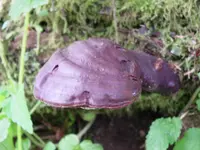
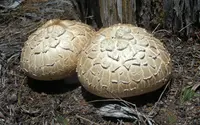
The giant sawgill, Neolentinus ponderosus, is a large wood-decaying fungus rather than a traditional green plant. It forms thick, pale to tan caps with coarse, saw-like gills and a sturdy stem. Mature specimens often look rugged and heavy, matching its common name.

This species typically grows on conifer stumps, logs, or buried wood, especially in pine forests of western North America. It tolerates exposed, dry sites better than many woodland fungi, but still depends on decaying wood and stable moisture in the substrate.

For those interested in how to care for Giant Sawgill in cultivation, the main challenge is providing suitable woody material and consistent, cool, shaded conditions that mimic its natural forest habitat.

Main Plant Requirements

Care Difficulty

Hard Care

Light Preference

Partial Shade

Water Requirements

Keep Soil Moist

Temperature Preference

Cool Climate

Hardiness Zone

Unknown

Soil Texture

Loamy, Organic-rich

Soil pH

Acidic (5.5–6.5), Slightly acidic (6.5–7.0)

Soil Drainage

Moist but well-drained

Fertilization

Minimal (feed rarely)

Get Personalized Care Plan

Scan your plant to receive care tips personalized for your specific plant

Available on iOS and Android

How to Care for the Giant Sawgill

This wood-decay fungus prefers bright, indirect light that mimics open woodland conditions.

  • Provide 3–5 hours of gentle morning sun with dappled or filtered light for the rest of the day, avoiding harsh midday exposure.
  • Site Giant Sawgill in bright shade under sparse tree canopy or beside logs where it receives broken light rather than full, open sun.
  • Excessive direct sun dries substrates quickly and can shrink caps, while deep shade reduces fruiting; adjust exposure seasonally as leaf canopies thicken or thin.

This fungus needs a consistently moist but not waterlogged woody substrate to form healthy fruiting bodies.

  • Maintain the log or stump evenly damp; allow the outer 1–2 cm of wood surface to dry slightly between thorough soakings.
  • Increase moisture in warm, windy periods by soaking the substrate deeply, but let excess water drain away to prevent sour, anaerobic conditions.
  • Signs of underwatering include cracking, leathery caps and shrunken margins; soft, slimy tissue or foul odor suggests overwatering or poor drainage for Neolentinus ponderosus.

This species fruits best in cool to mild conditions with moderate temperature swings between day and night.

  • Aim for an active fruiting range of 55–70°F (13–21°C), which supports steady development of caps and stems.
  • Protect from hard frost below 28°F (-2°C), which can damage tissue, though mycelium in wood may survive brief light freezes.
  • In hot spells above 80°F (27°C), shade the substrate and increase humidity, as prolonged heat and drying winds suppress fruiting and stress the mycelium.

Humidity is not a major factor for Neolentinus ponderosus, which adapts well to typical outdoor ambient levels in its range.

Neolentinus ponderosus develops best on loose, well-drained, organic-rich substrate that mimics decaying conifer wood.

  • Use a coarse mix of chipped or shredded conifer wood, bark, and a small amount of leaf mold or compost to replicate its natural substrate.
  • Maintain a loose, airy structure; avoid compacted or clay-heavy mineral soils that hold stagnant water around the mycelium.
  • Keep drainage very sharp so excess water runs off quickly, preventing prolonged saturation that can encourage competing molds and bacteria.
  • Aim for slightly acidic to neutral conditions (pH 5.5–7.0), adjusting with conifer sawdust or bark to lower pH if the base mix is alkaline.

This species is suitable for container growing when cultivated in dedicated log sections or deep tubs filled with woody substrate rather than standard potting soil.

  • Choose a deep, sturdy container that can hold heavy wood chips or small logs without tipping once they absorb water.
  • Drill extra side and bottom holes in plastic tubs or buckets to ensure rapid drainage and aeration through the woody substrate.
  • Elevate containers on bricks or slats so water can escape freely beneath, reducing anaerobic pockets around the colonized wood.

This wood-decaying fungus grows on nutrient-rich conifer stumps and logs and does not need added fertilizer in cultivation.

Pruning is not relevant for Neolentinus ponderosus because it is a fungus that fruits from decaying wood rather than forming branches or foliage.

Neolentinus ponderosus is typically grown on outdoor conifer logs, so management focuses on positioning fresh wood rather than true repotting.

  • Shift colonized logs or stumps only when inactive, usually in cool, mild weather, to limit stress on the mycelium.
  • Replace fully decomposed or non‑productive logs with fresh conifer wood of similar size and bark condition.
  • Move logs gently and keep them shaded and evenly moist before and after relocation to reduce drying.
  • Avoid frequent disturbance; plan site changes ahead so the fungal network can establish for several seasons.

Propagation relies on establishing the fungus on new suitable conifer wood rather than on typical plant methods.

  • Use spore prints or tissue cultures on sterile media to start pure mycelium for reliable Neolentinus ponderosus care instructions.
  • Transfer colonized spawn into drilled holes or cuts on fresh, resinous conifer logs in spring or early fall.
  • Maintain high humidity and consistent moisture around inoculated wood to support rapid mycelial spread.
  • Keep logs shaded and off bare soil to reduce contamination from competing fungi and to improve long‑term colonization.

This species is naturally adapted to temperate climates and usually needs minimal winter care when grown on outdoor conifer logs.

  • Leave colonized logs in a stable, shaded spot with good air flow to avoid waterlogging under snow or winter rain.
  • In very exposed sites, stack or group logs to reduce wind desiccation of the bark and underlying mycelium.
  • For container or indoor culture, keep substrates cool, slightly moist, and above freezing, avoiding repeated freeze‑thaw cycles.

Care Tips

Use Suitable Wood

Select fresh, untreated conifer logs or large stumps with intact bark and moderate resin content, as this species naturally colonizes conifer wood and establishes more reliably on the correct substrate than on generic hardwood logs.

Angle Log Placement

Stand or lean colonized logs at a slight angle against a support so rainwater runs over the cut ends without pooling, which reduces rot from competing fungi and improves fruiting consistency.

Control Competing Fungi

When preparing logs, debark only small test sections and flame or brush the cut surfaces before inoculation to reduce spores from other fungi, then seal inoculation points with wax to protect the Neolentinus mycelium.

Seasonal Moisture Management

In hot, dry periods, soak or hose down the logs early in the morning and provide temporary shade cloth, as this maintains internal moisture needed for reliable flushes without promoting surface mold.

Monitor Structural Safety

Inspect logs and large fruiting bodies regularly for instability, especially around paths or play areas, and reposition or remove hazardous pieces so that growing Giant Sawgill does not create tripping or falling risks.

Common Pests and Diseases

Bark beetles

These insects tunnel into the wood of fallen or stressed conifer logs, creating galleries that disrupt normal fungal colonization patterns and can desiccate the substrate the fungus feeds on.

Solution

Remove and discard heavily infested wood and source fresh, beetle-free conifer logs for cultivation. Store logs off the ground in a shaded, well-ventilated area and, if needed, wrap or screen them with fine mesh to physically exclude adult beetles from newly inoculated material.

Wood-boring larvae

This pest feeds within the sapwood and heartwood of conifer logs, breaking up the internal structure and reducing the stable, moist environment needed for consistent fruiting.

Solution

Cut out sections of wood that show extensive tunneling and replace with sound, firm logs. Keep culture logs shaded and protected from direct soil contact, and periodically inspect and remove any logs that feel unusually light, brittle, or extensively riddled with holes.

Competing soft rot fungi

This disease pressure comes from other wood-decay fungi that colonize the same conifer logs, sometimes overtaking the substrate and suppressing fruiting of Neolentinus ponderosus.

Solution

Use freshly cut, clean conifer wood and inoculate promptly to give N. ponderosus a head start over competitors. Remove and discard logs that show heavy, unfamiliar mold or soft rot growth, and maintain good airflow and moderate moisture so the desired fungus can outcompete more aggressive contaminants, which is central to reliable Neolentinus ponderosus care.

Interesting Facts

Associated with ponderosa pine

This fungus is strongly associated with logs and stumps of ponderosa pine in western North America, reflecting its species name, which refers to its common host tree.

Woody, tough fruiting body

The cap and stem are distinctly tough and fibrous, more reminiscent of wood than of many soft-fleshed mushrooms, which fits its placement in a group of so‑called sawgill fungi that often colonize conifer timber.

Sawlike gill edges

The gills have distinctly serrated, toothlike edges, a key diagnostic feature that helps distinguish it from many other large, brown, scaly mushrooms on conifer wood and is important in Neolentinus ponderosus care instructions for identification in cultivation contexts.

Botan icon

Did you know?

This species produces large, often overlapping fruiting bodies that can densely cover sections of fallen ponderosa pine logs, visually signaling advanced brown rot decay in the wood and making it a useful indicator species for late stages of conifer log decomposition in its native forests.

FAQs about Giant Sawgill

This wood-decaying mushroom is technically edible when young, but it is very tough, strongly flavored, and not considered good eating. Identification is also challenging, so foragers are generally advised to avoid consuming it.

Grow Healthy Plants with Botan Care

Keep your plants happy and healthy with plant identification, disease detection, and easy care guidance.

Botan plant care app — identify plants on mobile

Explore More Plants