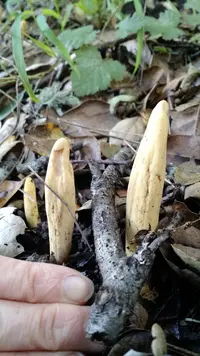
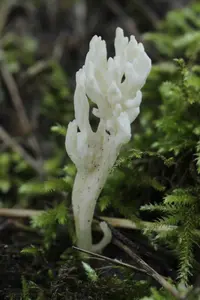
Flame fungus Care (Clavulinopsis sulcata)

Flame fungus

About Flame fungus

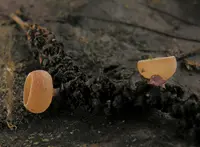
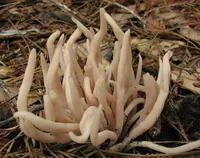
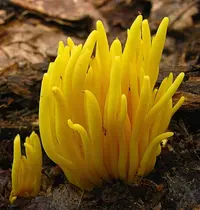
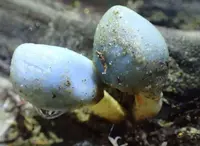
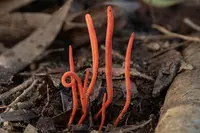
Flame fungus, Clavulinopsis sulcata, is a small club-shaped fungus, not a true plant, often seen as bright orange to red clusters on the forest floor. It appears as slender, upright spikes emerging from soil or moss, giving a flame-like look in damp woodland settings.

This species is usually found in grasslands, mossy lawns, and mixed forests, especially in temperate regions with consistent moisture. It relies on decaying organic matter and stable humidity, which makes it challenging to cultivate at home, even for experienced growers. For most people, it is easier to observe than to actively care for Flame fungus.

Main Plant Requirements

Care Difficulty

Hard Care

Light Preference

Partial Shade

Water Requirements

Keep Soil Moist

Temperature Preference

Cool Climate

Hardiness Zone

Unknown

Soil Texture

Loamy, Organic-rich

Soil pH

Acidic (5.5–6.5)

Soil Drainage

Moist but well-drained

Fertilization

Minimal (feed rarely)

Get Personalized Care Plan

Scan your plant to receive care tips personalized for your specific plant

Available on iOS and Android

How to Care for the Flame fungus

This small woodland fungus prefers cool, filtered light similar to that of a deciduous forest floor.

  • Provide bright shade or dappled light under trees, with brief morning sun but avoid harsh midday and afternoon sun.
  • Aim for 2–4 hours of indirect or lightly filtered light; heavier shade slows fruiting, while full sun dries the substrate quickly.
  • In summer, increase shade cover; in cooler seasons, slightly more open canopy light supports healthy Flame fungus fruiting.

This fungus requires consistently moist, but not waterlogged, soil to produce fruiting bodies reliably.

  • Keep the upper 2–3 cm of soil or leaf litter evenly moist; do not allow the substrate to dry out completely between natural rains or irrigations.
  • Use a free-draining, humus-rich layer so excess water can drain away; standing water or soggy patches quickly lead to rot and loss of Clavulinopsis sulcata clusters.
  • During hot, dry periods, mist or gently irrigate once surface litter starts to feel dry, while in cool, damp seasons rely mostly on rainfall and reduce added water.

This species fruits best in cool to mild conditions typical of temperate woodland floors.

  • Optimal fruiting temperatures are around 50–68°F (10–20°C), with steady moisture; growth slows noticeably above or below this band.
  • It tolerates down to about 32–35°F (0–2°C) but hard frost can damage fruiting bodies, so peak displays usually follow mild, frost-free periods.
  • Sustained heat above 77–82°F (25–28°C) dries substrates and shortens lifespan; in hotter seasons, shade and mulch help buffer soil temperatures.

This fungus prefers moist, consistently damp conditions rather than specific indoor air humidity ranges.

  • Aim for ambient humidity around 70–90% by growing outdoors in a naturally humid, shaded site or a covered, damp terrarium-style setup.
  • Flame fungus struggles in very dry air; caps and clubs shrivel and discolor quickly when exposed to prolonged low humidity or strong air movement.
  • Increase local humidity by keeping the substrate evenly moist, adding a surface mulch of damp leaf litter, and shielding the area from drying wind or direct sun.

This species fruits best in loose, organic-rich ground that stays evenly moist yet not waterlogged.

  • Use a substrate mimicking forest litter: fine composted bark, leaf mold, and a small amount of clean sand mixed into native soil to create a soft, crumbly structure.
  • Ensure rapid drainage so water does not pool; the mix should feel moist but never sticky or smeared when squeezed, which reduces oxygen around the fungal mycelium.
  • Target a slightly acidic to neutral pH around 5.5–7.0, avoiding heavily limed or strongly alkaline soils that can suppress Clavulinopsis sulcata development.
  • Avoid compacted clay, thick peat-only mixes, or areas that remain flooded; loosen dense soil with extra leaf mold and coarse sand to improve aeration and drainage.

This fungus is only moderately suitable for container culture and is best attempted by growers replicating a deep, stable outdoor substrate.

  • Choose a wide, deep container that allows a thick layer of leaf-rich substrate so the mycelium can spread horizontally without quickly reaching the pot walls.
  • Use a sturdy, non-flexing pot material so the substrate profile remains undisturbed when moved, which reduces damage to the hidden fungal network.
  • Ensure multiple drainage holes and elevate the container slightly so excess water drains quickly, preventing stagnant zones that lead to anaerobic conditions in the lower layers.

This woodland fungus derives nutrients from soil organic matter and generally does not need supplemental fertilizer in gardens or containers.

Clavulinopsis sulcata does not require true pruning, but spent fruiting bodies can be tidied for appearance and to reduce decay near paths.

  • Remove only clearly collapsed or moldy fruiting clusters using gloved hands or clean scissors.
  • Cut or pinch at the substrate surface, avoiding disturbance of the underlying mycelium network.
  • Limit disturbance during peak fruiting to avoid compacting soil or damaging surrounding mosses and plants.

Transplanting this fungus is rarely successful because it depends on specific soil communities and often forms ecological associations with nearby plants.

  • Avoid routine transplanting; instead, maintain a stable, undisturbed site with consistent moisture and leaf litter.
  • If relocation is attempted, do it in cool, moist weather, moving a generous plug of soil containing the mycelium.
  • Minimize root and soil disturbance by lifting intact blocks rather than shaking soil from roots of any associated plants.
  • Keep the new site shaded and evenly moist for several weeks to reduce stress and encourage mycelium recovery.

Propagation of this fungus is challenging and usually left to natural spore dispersal in suitable habitats.

This temperate woodland species is naturally cold hardy and typically needs no special winter care in the ground.

  • Allow natural leaf litter to accumulate as a light mulch that buffers freeze–thaw cycles.
  • Avoid deep digging or soil disruption in winter so the mycelium remains insulated and stable.
  • Container experiments should overwinter in a cold, frost-exposed but not waterlogged spot to mimic natural conditions.

Care Tips

Substrate refresh cycles

Replace or thoroughly remix the top 2–3 cm of the fruiting substrate between flushes to remove decomposed material, reduce mold pressure, and keep the surface aerated for more reliable re-fruiting.

Controlled moisture dome

Use a clear, ventilated plastic tote or humidity tent over the tray to maintain high humidity while adding small side vents or regularly opening the lid to prevent stale, stagnant air that encourages bacterial blotch and surface molds.

Targeted surface misting

Mist only the air and walls around the culture and let fine droplets settle rather than spraying the pins directly, which helps prevent waterlogging and tip damage of the delicate fruiting clubs.

Clean handling practice

Harvest with clean scissors or a sharp knife and avoid touching the substrate with bare hands, which helps reduce contamination and extends the productive life of the culture when growing Flame fungus.

Cool-down rest period

After a heavy flush, allow a slightly cooler and drier rest period for 3–5 days before rehydrating the substrate, which can stimulate a more even second flush while reducing the risk of continuous high-humidity rot issues.

Common Pests and Diseases

Dipteran larvae

This pest uses the fruiting bodies as a food source, with larvae tunneling through the soft tissue and causing collapse or rapid decay. Symptoms include small entry holes, internal galleries, and premature shriveling of the clubs.

Solution

Remove and discard affected fruiting bodies as soon as tunneling or collapse is seen to break the life cycle. In outdoor settings, avoid leaving rotting fungal material on site and use fine mesh or netting over high‑value observation areas if repeated infestations occur.

Slug and snail grazing

These mollusks feed on the tender clubs, leaving irregular bite marks, missing tips, or completely eaten fruiting bodies. Symptoms include slime trails on nearby litter and sharply chewed edges on the fungal tissue.

Solution

Hand‑remove slugs and snails during damp evenings and reduce nearby hiding spots such as boards, dense ground litter, and pots. Physical barriers like copper tape around small cultivation beds or collars, and rough dry mulches, can reduce access to emerging fruiting bodies.

Bacterial soft rot

This disease causes water‑soaked, slimy, and foul‑smelling breakdown of the clubs, often starting at damaged spots. Symptoms include rapid liquefaction of tissue and collapse of groups of fruiting bodies under warm, wet conditions.

Solution

Remove and dispose of affected fungal tissue promptly to reduce bacterial spread. Limit mechanical injury, avoid prolonged surface water around the fruiting zone, and maintain good air movement to help fruiting bodies dry between rains or misting events.

Fungal parasitism

This disease results from other fungi colonizing the clubs, leading to discoloration, distorted growth, or overgrowth by mold‑like structures. Symptoms include patches of white, gray, or dark mycelium covering or replacing the normal bright orange tissue.

Solution

Cut and discard parasitized fruiting bodies to reduce spore load near the colony. Keep the habitat balanced by avoiding overwatering or overly dense organic cover, and rotate or remove heavily contaminated substrate if repeated parasitism limits growing Flame fungus for observation or study.

Interesting Facts

Bright autumn appearance

This coral-like fungus typically fruits in late summer to autumn, producing small, bright orange to reddish clubs that stand out sharply against dark soil or moss in grasslands and heathlands.

Indicator of old grassland

It often appears in unimproved, long-established grasslands with low nutrient input, so its presence can indicate relatively undisturbed, traditionally managed meadows or lawns.

Distinctive grooved clubs

The fruiting bodies have characteristic lengthwise grooves or furrows along the clubs, a feature used by mycologists to distinguish it from smoother, similar-looking coral fungi.

FAQs about Flame fungus

This fungus forms visible clubs within a single season, often maturing in a few weeks once conditions are right. Growth speed depends on constant moisture, cool temperatures, and rich organic matter supporting the hidden mycelium network.

Grow Healthy Plants with Botan Care

Keep your plants happy and healthy with plant identification, disease detection, and easy care guidance.

Botan plant care app — identify plants on mobile

Explore More Plants